

-12%
LIFT TABLES
122 products
-24%
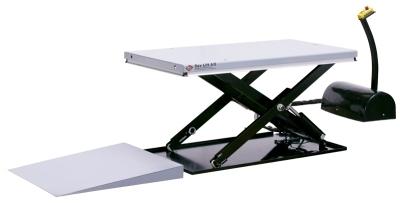
-21%
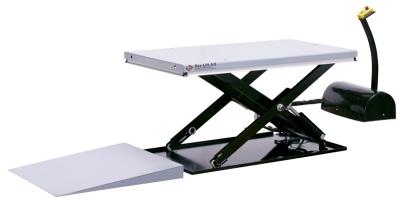
-24%
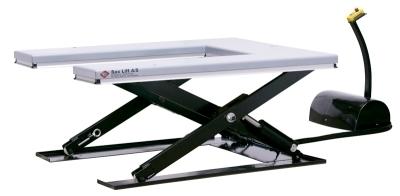
-24%
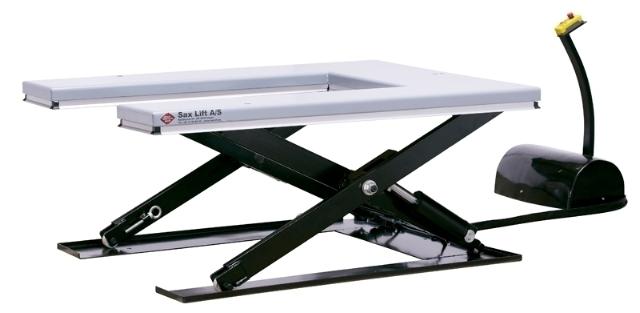
-24%
-21%
-18%
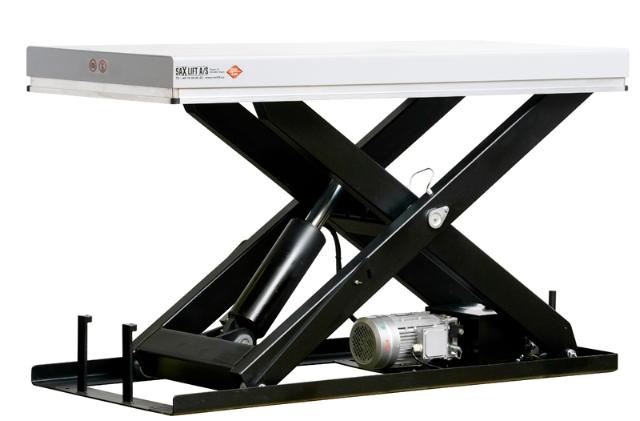
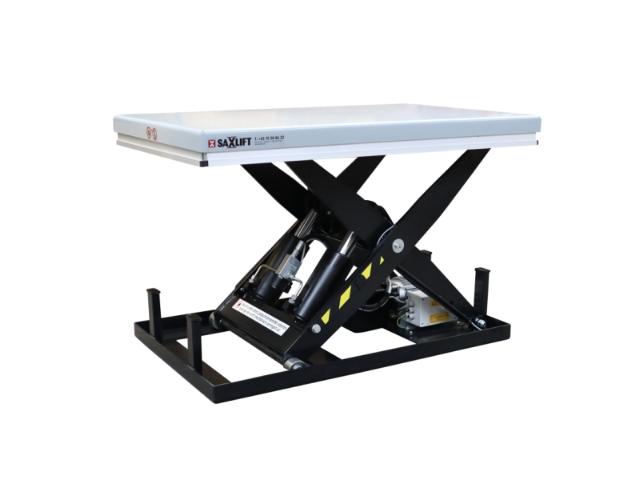
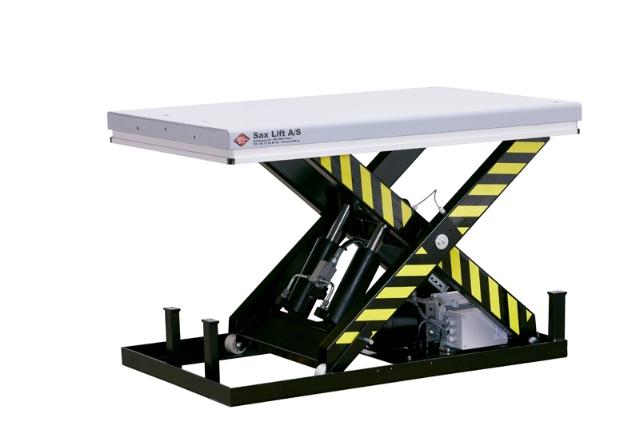
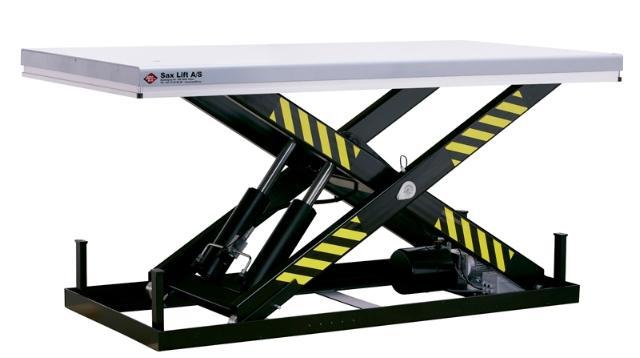
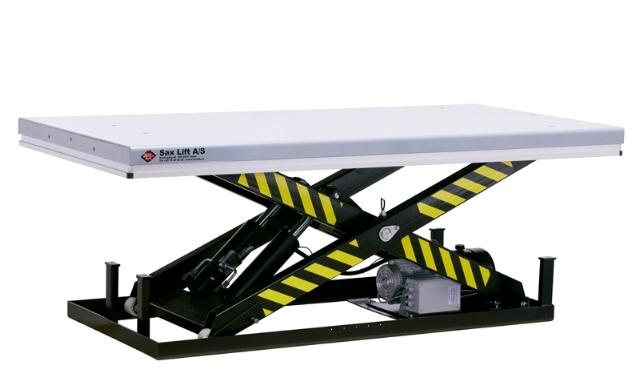
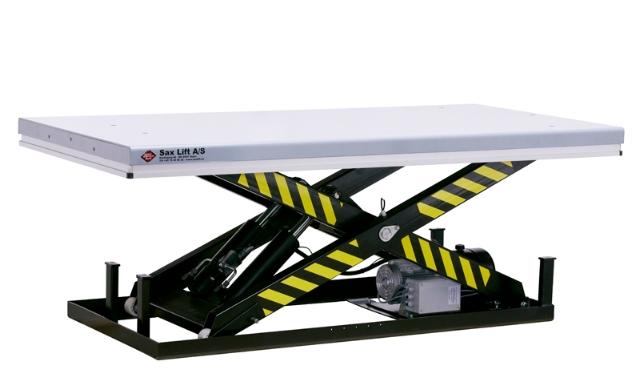
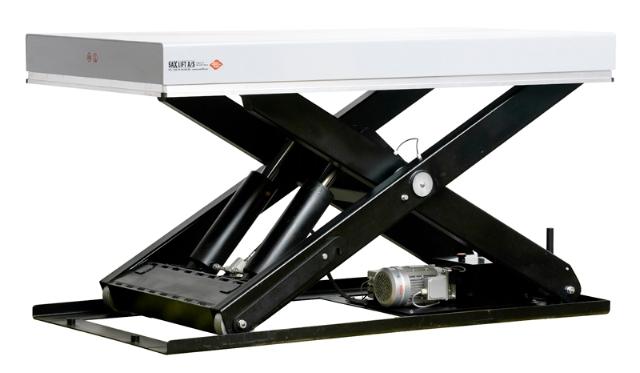
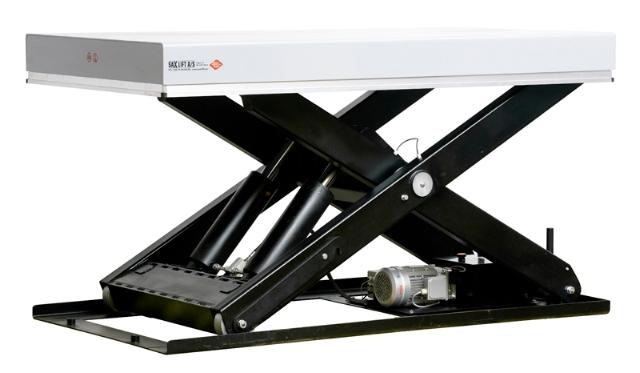
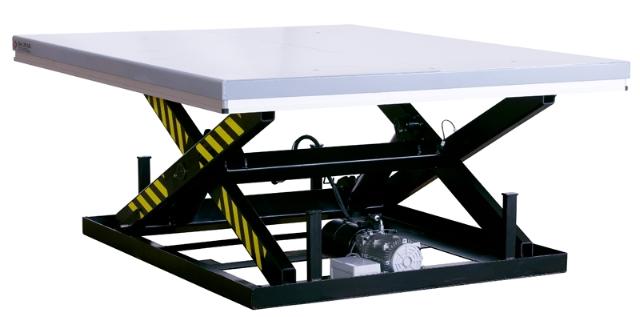
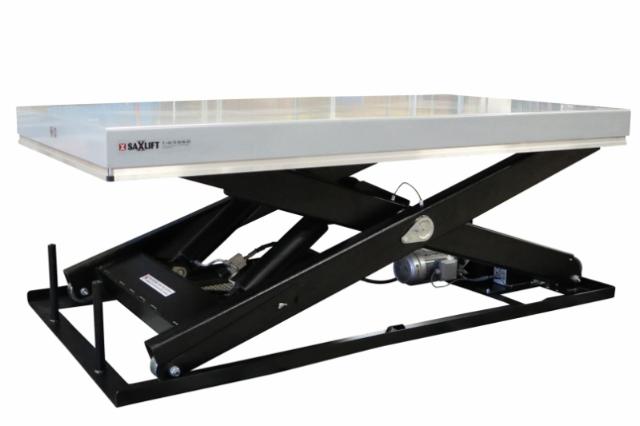
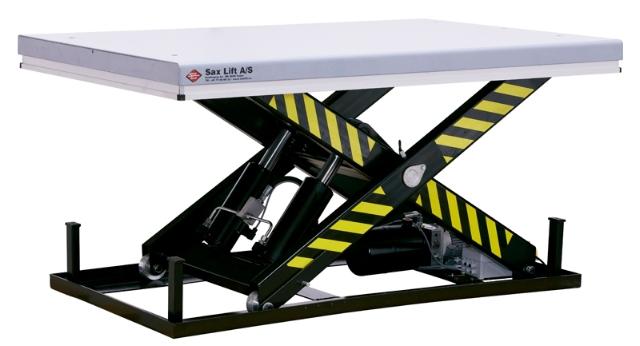
36 out of 122 products
Scissor Lift Table and Hydraulic Lift Tables
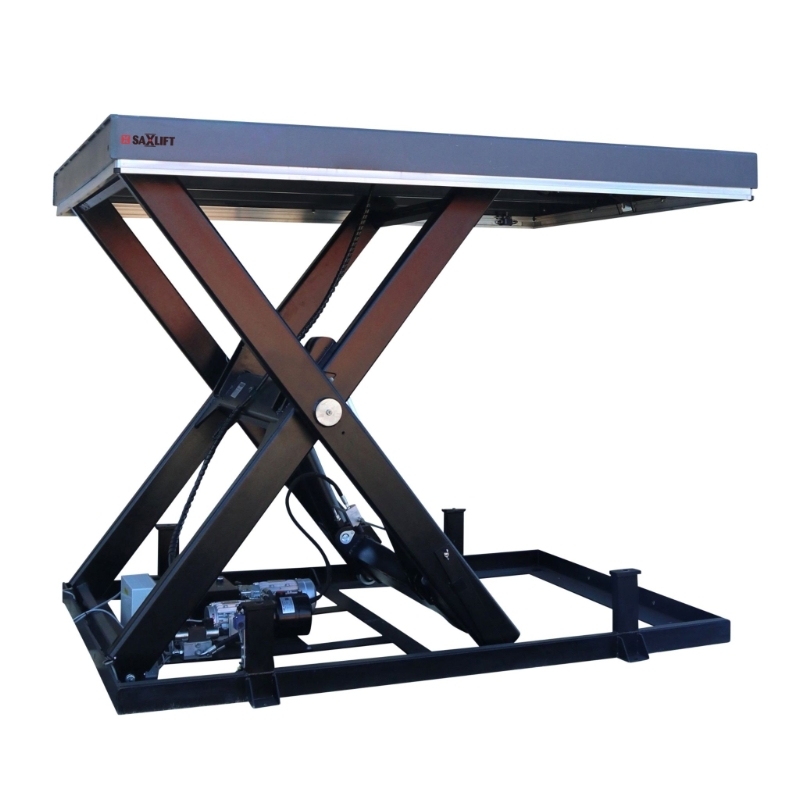
A scissor lift table is an essential tool in various industries, designed to facilitate the vertical lifting of heavy goods and materials. The mechanism of a scissor lift table uses a pantograph, also known as a scissor mechanism, to achieve vertical motion. This equipment is widely recognized for its versatility and capability to improve workflow, safety, and productivity in demanding operational environments. Businesses in Ireland and beyond rely on different models of scissor lift tables, each suited for specific lifting and handling needs, making the selection of the right lift table a significant factor in operational efficiency.
What is a Scissor Lift Table
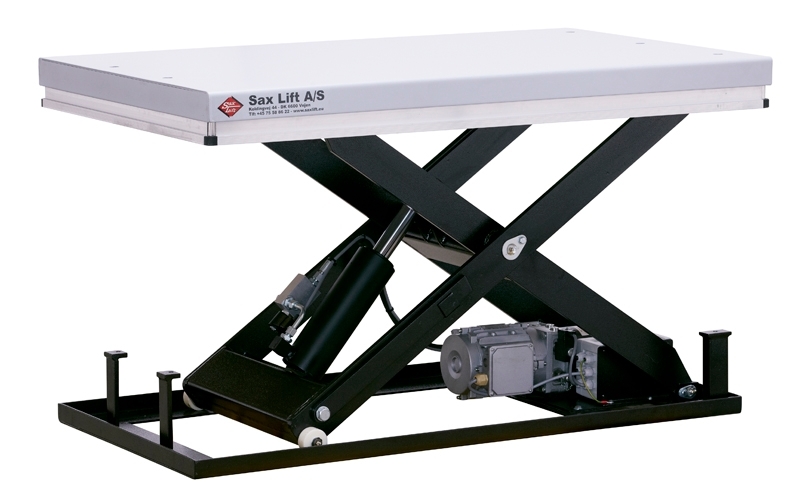
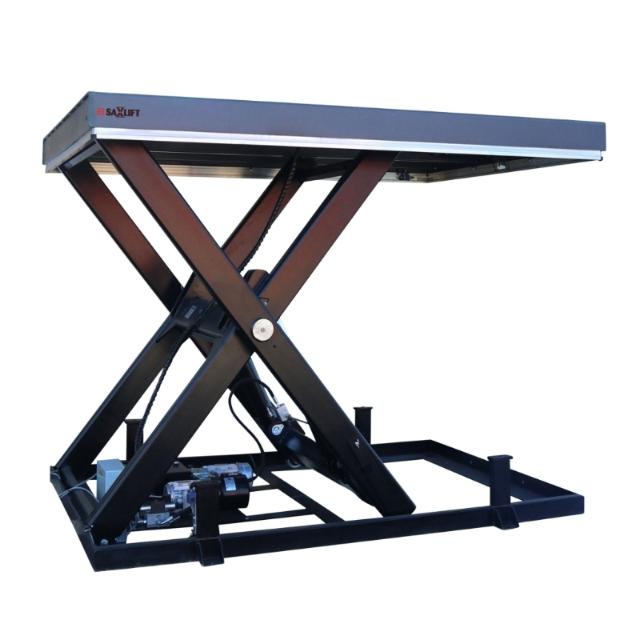
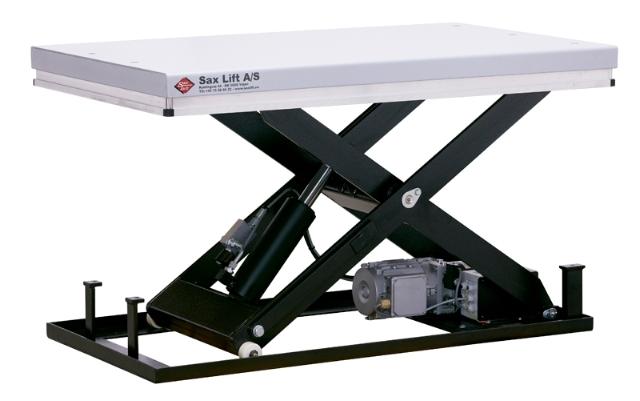
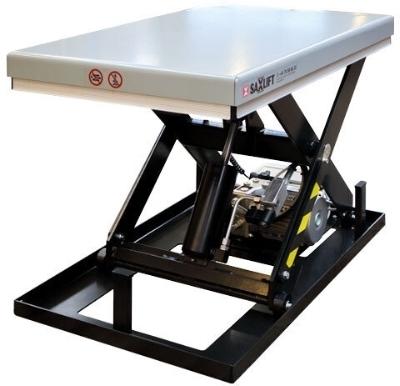
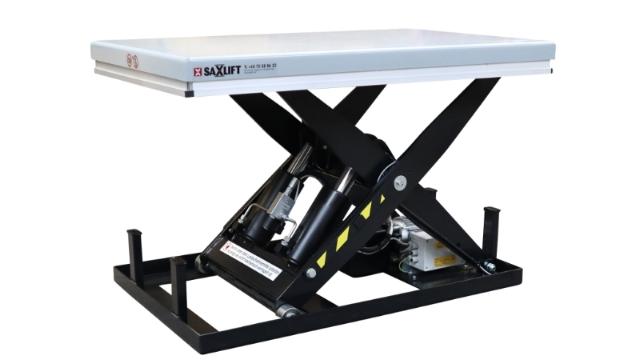
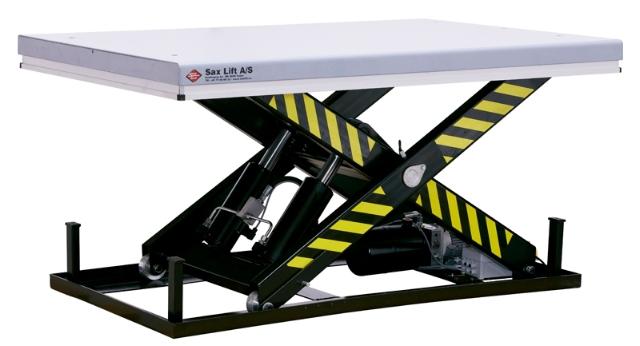
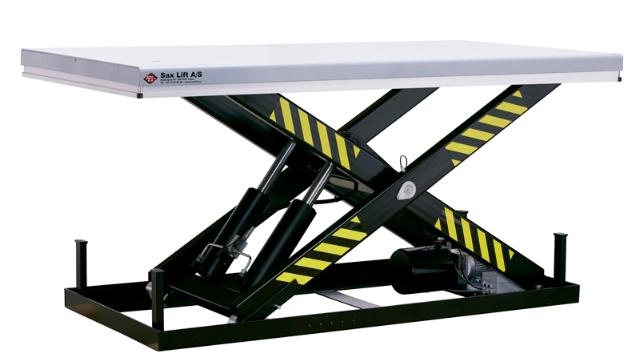
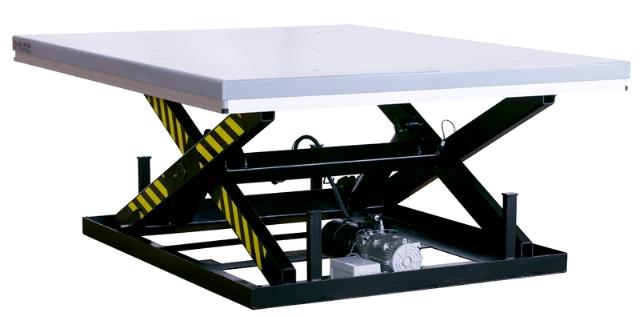
A scissor lift table is a platform supported by scissor-like arms that extend and retract to raise and lower the platform in a controlled manner. This equipment is powered either by hydraulic, pneumatic, or manual mechanisms, with the hydraulic scissor lift table being especially prevalent in Ireland due to its strength and precision. The core function of a scissor table lift is to safely elevate heavy goods to specified heights, reducing manual handling and improving ergonomic conditions for workers. Common uses include positioning workpieces, lifting systems for assembly lines, and handling materials in logistics and manufacturing. The adaptability of the scissor lift table makes it an indispensable resource, offering safe and stable elevation where needed.
How Scissor Lift Tables Work
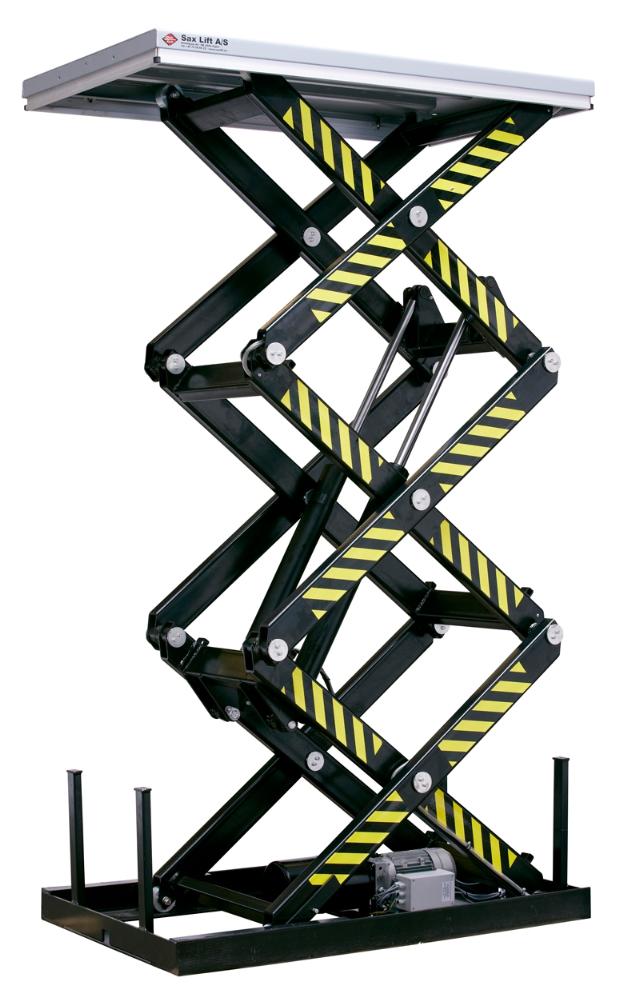
The working principle behind a scissor lift table involves a system of linked, folding supports in a crisscross pattern. These supports, commonly referred to as scissor arms, expand and contract through hydraulic or mechanical force. In a hydraulic scissor lift table, when fluid is pumped into the hydraulic cylinders, pressure causes the scissor arms to open, raising the lift table platform vertically. Conversely, releasing the hydraulic fluid allows the arms to close, lowering the platform safely. The hydraulic system typically includes a pump, motor, and controller to guarantee smooth operation and precise height adjustment. For manual models, a hand or foot pump is often utilized to achieve the elevation, but they operate on the same fundamental principles as their hydraulic counterparts. This design ensures that a scissor table lift can deliver dependable performance with minimal effort.
Advantages of Using a Scissor Lift Table
The adoption of scissor lift tables presents numerous advantages in a wide variety of industries. One key benefit is enhanced workplace safety, as these systems significantly reduce the need for manual lifting of heavy goods, mitigating the risk of injury. The stable design of a scissor lift table ensures that loads remain securely positioned during elevation, preventing accidents and improving load control. Ergonomically, scissor lift tables alleviate physical strain on workers by positioning objects at optimal working heights, thereby enhancing productivity and comfort. Furthermore, most scissor table lift designs offer quick lifting cycles, enabling tasks to be completed efficiently without unnecessary downtime. Many businesses also appreciate the versatility of scissor lift tables, as they can be integrated into assembly lines, shipping and receiving, and storage solutions, among other applications.
Types of Scissor Lift Tables
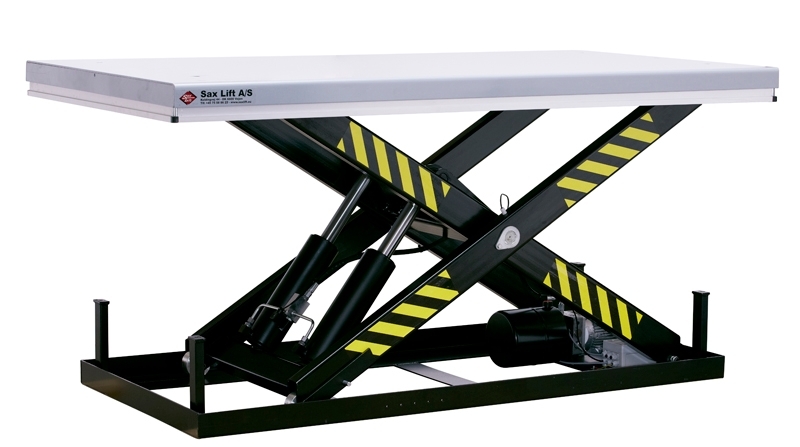
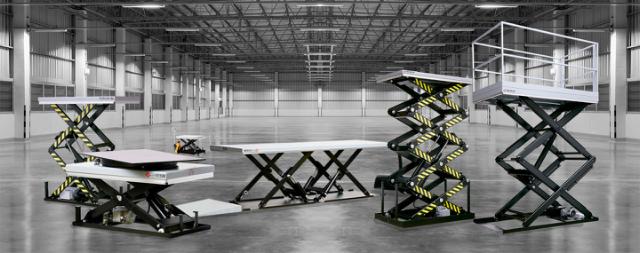
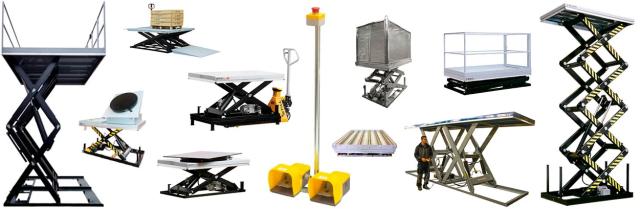
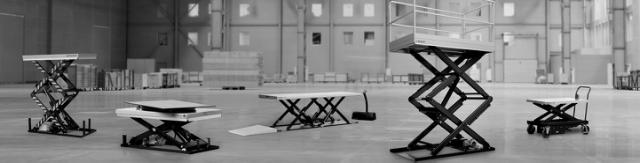
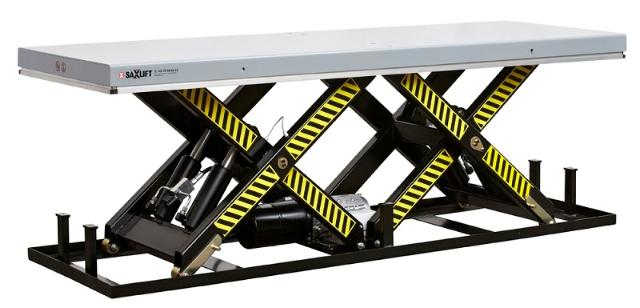
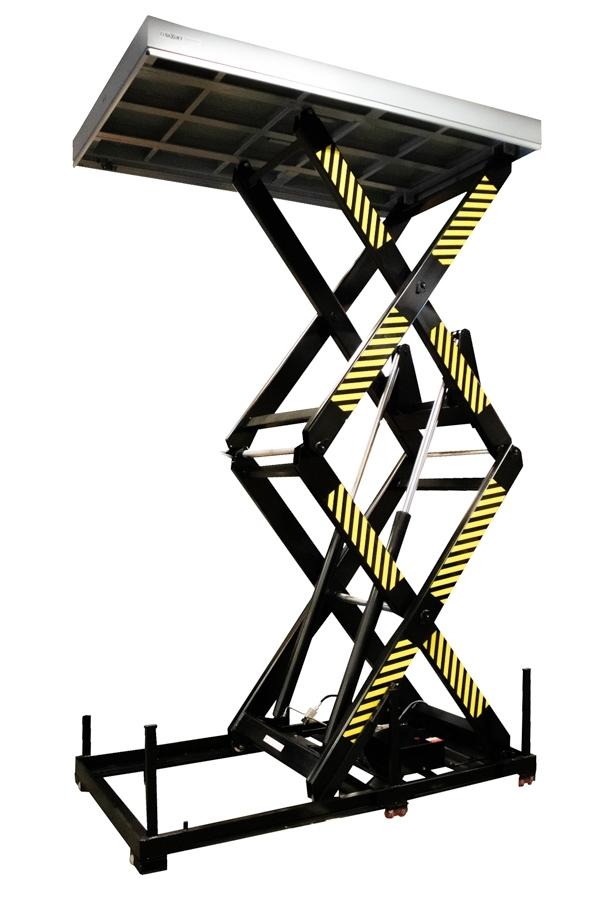
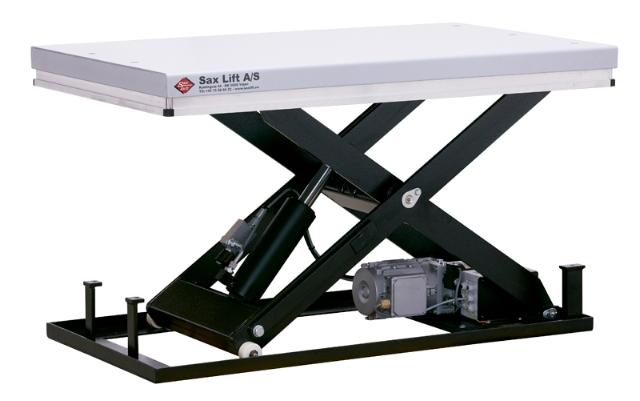
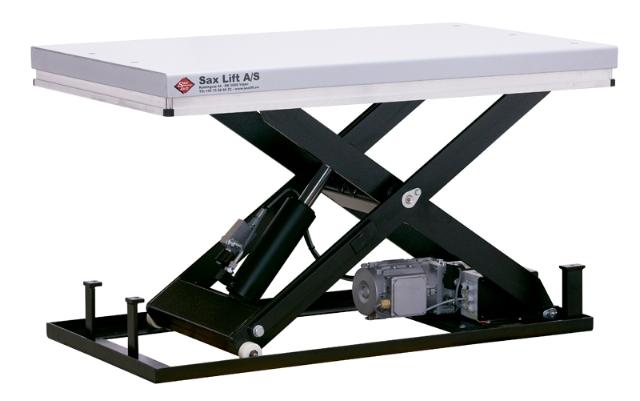
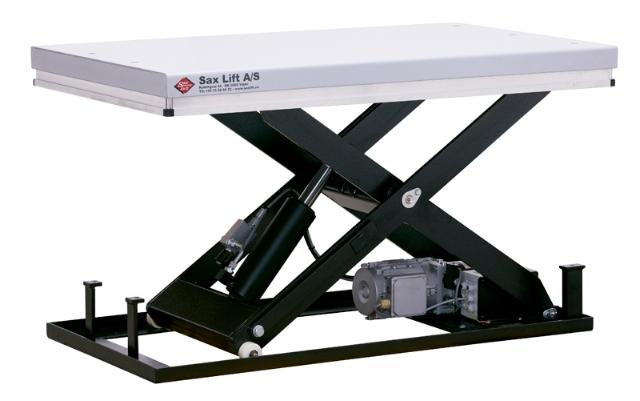
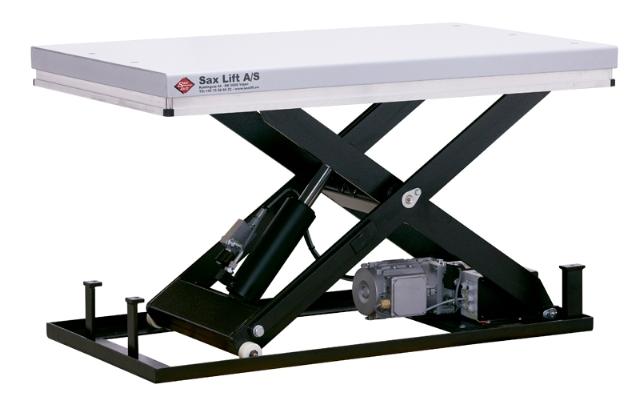
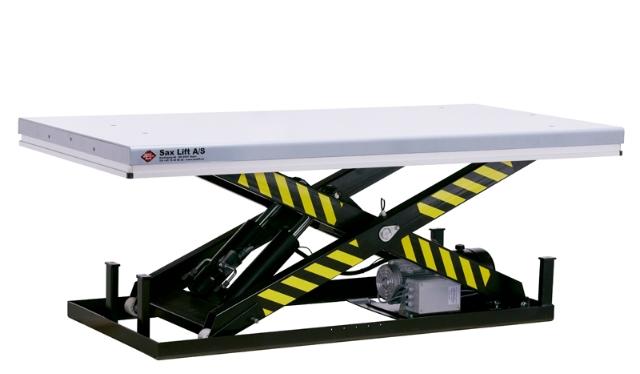
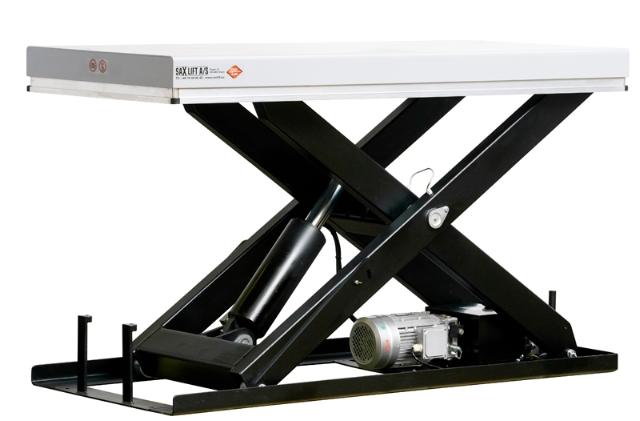
There are several types of scissor lift tables available to accommodate a diversity of lifting needs in Ireland and internationally. The most common variant is the single scissor lift table, recognizable for its straightforward construction and reliable lifting capabilities suited to moderate heights. For greater elevation requirements, double or multi-scissor models feature stacked scissor mechanisms, allowing the lift table to reach greater vertical distances while maintaining platform stability. Additionally, mobile scissor lift tables equipped with wheels offer supreme versatility, enabling workers to transport heavy loads across different areas within a facility. Low profile scissor lift tables are designed with minimal base height, making them ideal for spaces with height constraints or tasks requiring easy loading directly from the ground. Each variant targets specific industrial requirements, so selecting the right model significantly impacts the efficiency and safety of operations. For those seeking further insight into single scissor solutions, an overview is available at single scissor lift tables.
Applications of Scissor Lift Tables in Different Industries
Scissor lift tables have become an integral part of various industrial operations thanks to their adaptability and efficiency. In manufacturing, they enable the smooth handling of workpieces, facilitating precise assembly and reducing worker fatigue by positioning goods at optimum heights. Distribution centers and warehouses in Ireland often utilize scissor lift tables for organizing inventory and streamlining the transfer of goods, thereby maximizing space utilization and operational speed. In the logistics sector, scissor lift tables simplify the loading and unloading processes, helping to move items onto and off of vehicles with minimal effort and risk. These tables are equally valuable in production lines, automotive industries, and even healthcare, where elevation and secure handling of equipment or supplies are necessary. With such diverse applications, the scissor table lift stands out as a versatile and reliable solution for overcoming complex lifting challenges across multiple sectors.
How to Choose the Ideal Scissor Lift Table
Selecting the most suitable scissor lift table for a specific business or project requires careful consideration of several critical factors. The load capacity is paramount—each lift table is engineered to safely handle a certain maximum weight, and exceeding this could result in equipment failure or injury. For instance, some models like the ILD400-4 can raise up to 400 kg, making them ideal for more robust tasks, while others are designed for lighter loads. Another key aspect is the vertical travel height, as different applications necessitate various lifting ranges. The spatial requirements of the workplace, including platform dimensions and the available operating area, must be evaluated to ensure seamless integration into the environment. Lifting speed, determined by the design and power source, also influences the overall efficiency; high-frequency operations may benefit from fast-acting hydraulic scissor lifts. Selecting between a stationary or mobile scissor lift table will hinge on whether equipment versatility and movement are essential for your operational layout.
Understanding Load Capacities: 500kg and 150kg Scissor Table Lift Options
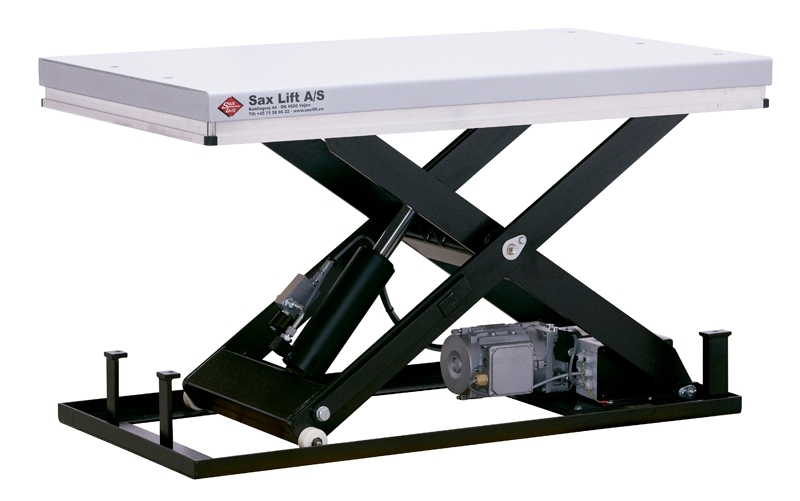
Load capacity is one of the cornerstone specifications when choosing a scissor lift table. A model rated for 500 kg, such as the IL500X scissor lift table, is designed to handle bulkier, heavier goods and is often favored in industrial settings where durability and reliability are non-negotiable. Conversely, a 150 kg load capacity scissor table excels in environments where lightweight tasks dominate, offering easy maneuverability and occupying less space. It is essential to strictly operate within the manufacturer’s indicated load limits to ensure the continued safety and longevity of the equipment. Selecting the right capacity can also lead to cost savings in maintenance, as overloading a lift table can result in increased wear, reduced service life, and potential safety issues. By aligning the lift table’s specifications with the operational demands, businesses maintain efficient, safe, and productive workflows.
Safe Operation of Scissor Lift Tables
Secure operation is vital when using a scissor lift table. Operators must confirm the total weight of goods being lifted does not surpass the rated capacity of the table. Uneven distribution of weight should be avoided, as balanced placement prevents potentially hazardous situations, such as platform tilting or sudden equipment failure. Before initiating the lifting process, routine checks should be carried out to ensure all moving parts and safety mechanisms are functioning as intended. When the load is ready and secure on the platform, the lift should be operated according to the manufacturer's guidelines to avoid abrupt movements. Regular maintenance, including inspection of hydraulic fluid levels and mechanical components, contributes to reliable performance and extends the lifespan of the lift table. Adhering to these practices protects workers and preserves equipment integrity.
Comparing Single Scissor Models with Other Lift Tables
Single scissor lift tables hold a unique place among lifting equipment due to their straightforward design and robust reliability. These tables efficiently lift moderate weights to a practical working height and are typically less complex than multi-scissor models, making maintenance simpler and operational downtime shorter. For industries requiring only a modest elevation, these are a preferred choice. Multi-scissor or high travel lift tables, featuring additional layers of scissor mechanisms, offer increased vertical lift, suitable for loading goods to higher platforms or between floors. Businesses must carefully assess their need for lift height, load variation, and workspace dimensions to decide on the appropriate model. Mobile scissor lift tables add another layer of flexibility, providing convenient handling of heavy goods in dynamic or frequently changing environments within industrial or warehouse settings.
Manual vs. Hydraulic Lift Tables: Choosing the Right Power Source
Choosing between a manual and hydraulic scissor lift table depends on several operational factors. Manual scissor lift tables, operated via hand or foot pump, are best suited for lighter loads and less frequent lifting cycles. They are recognized for their cost efficiency and ease of maintenance, making them appealing for small-scale or infrequent applications. Alternatively, hydraulic lift tables are engineered for heavier loads and high-frequency usage, using powered pumps to deliver smooth and rapid elevation. They are widely used in Irish industries where speed, reliability, and operator comfort are key priorities. In environments prioritizing low physical strain and increased productivity, the hydraulic scissor lift table is often the preferred solution.
Mobile Scissor Lift Tables and Workplace Efficiency
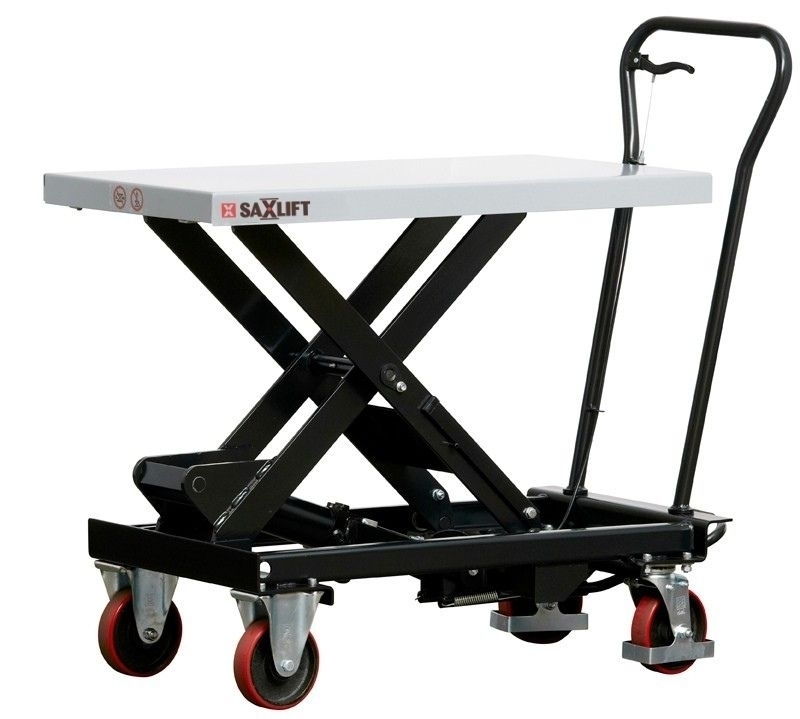
Mobile scissor lift tables play a substantial role in environments where adaptability and ease of movement are necessary. These units, featuring durable wheels and ergonomic handle designs, can be transferred easily across production lines, warehouses, and workshops. The primary advantage of a mobile scissor lift table lies in its mobility, granting workers the ability to relocate the lifting equipment to where it is most needed, thereby reducing redundant manual handling. This flexibility increases the efficiency of operations and enhances safety by allowing loads to remain on a stable surface while being transported. The portability of these tables also allows for quick reconfiguration of work areas, supporting ever-changing industrial demands. Explore more about available options at mobile scissor lift tables.
Features of Low Profile Scissor Lift Tables
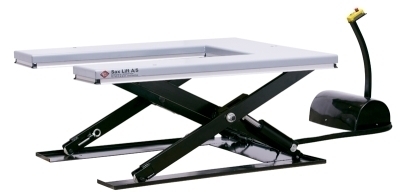
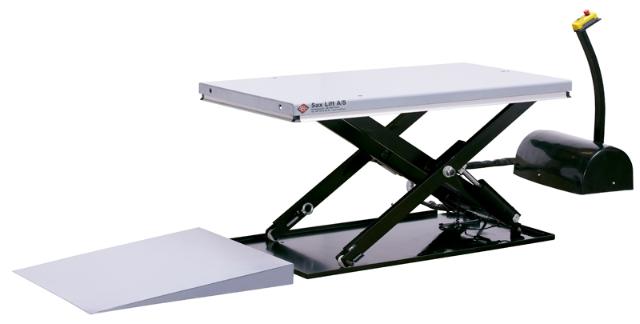
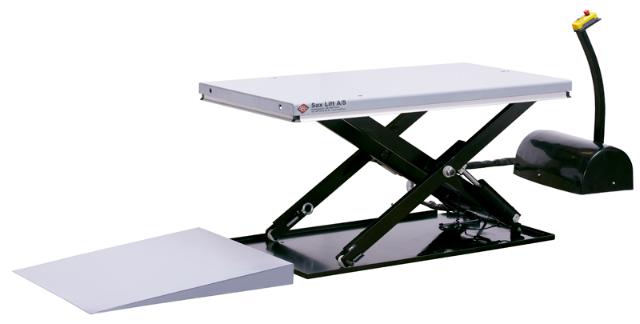
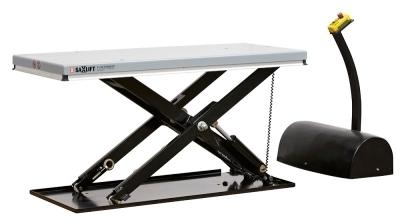
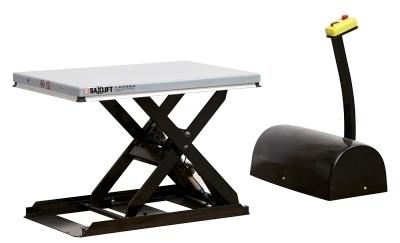
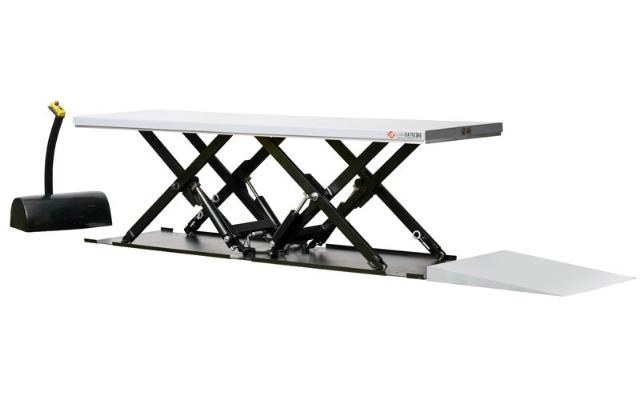
Low profile scissor lift tables are designed for industries and applications where space is limited or where ground clearance is a concern. The platform sits close to the ground, making it easier for workers to load and unload items from pallets or vehicles with minimal physical strain. This is particularly advantageous in facilities using pallet jacks instead of forklifts for moving loads. A low profile lift table often employs a single scissor mechanism for compact operation and high stability, making these lift tables a practical choice for accessibility-focused workplaces. By streamlining the loading process, these specialized lifts accelerate operations in both production and warehouse environments.
Key Considerations: Capacity, Safety, and Workspace Integration
When integrating a new scissor lift table into business operations, several considerations help ensure the chosen equipment fully meets operational needs. The primary factors include:
-
Load capacity: Ensure the selected lift table can handle the maximum anticipated weight of goods.
-
Vertical travel: Choose a model with a lifting range suitable for your workflow.
-
Footprint and workspace compatibility: Confirm the table can operate within your spatial constraints.
-
Lifting speed: High-cycle environments benefit from faster hydraulic systems.
-
Power source: Select between manual and hydraulic powered lifts based on load frequency and operator preferences.
Taking all these considerations into account allows for optimal selection, guaranteeing productivity, safety, and adaptability over the lifespan of the scissor lift table.
How to Maintain a Scissor Lift Table
Routine maintenance is key for the long-term functionality and safety of a scissor lift table. Key practices include regular inspection of hydraulic lines and cylinders for signs of leaks or damage, checking mechanical components such as pins, bushings, and bearings for wear, and ensuring the lifting platform remains level during use. The hydraulic fluid should be replaced at intervals recommended by the manufacturer, and the system bled to remove air that may affect lifting smoothness. Lubrication of moving parts is necessary to reduce wear and prevent premature failure. Adherence to manufacturer guidelines helps maintain a high standard of performance, extending the working life of the lift table and providing a safe operating environment for all users.
Safe Lifting Practices for Scissor Lift Tables
Effective and safe use of a scissor lift table involves both operational discipline and respect for manufacturer specifications. Prior to each use, the table should be cleared of debris, and the area around it should be inspected for obstructions. Loads must be placed centrally and evenly distributed on the platform to maintain stability. Operators are advised to secure items to avoid shifting during movement, particularly when using a mobile scissor lift table. If the machine emits unusual noises or movements during operation, it should be switched off immediately for inspection. Following established protocols for operation and maintenance ensures not only efficient workflows but also the wellbeing of workers.
Why Choose a Mobile Scissor Lift Table
A mobile scissor lift table provides enhanced productivity and flexibility for industries that require frequent repositioning of materials. These tables feature lockable swivel castors to ensure stability when stationary and easy movement when mobility is needed. The quick-release mechanisms and user-friendly controls make these mobile lift tables especially effective in production settings, shipping and receiving, and assembly operations. By reducing time spent manually transporting goods and minimizing heavy lifting, mobile scissor lift tables contribute to lower rates of work-related injuries and improved employee satisfaction. Their adaptability allows businesses to adjust layouts and processes as demand changes, maximizing operational efficiency and resource allocation.
Use of Scissor Lift Tables in Production and Logistics
In production and logistics environments, a scissor lift table is utilized to position, lift, and move heavy loads with accuracy. During manufacturing, these tables elevate workpieces to optimal heights, supporting assembly processes that require frequent material repositioning. In logistics and warehousing, scissor lift tables enable efficient organization by quickly raising or lowering pallets, boxes, or supplies, thus expediting order fulfillment and reducing handling times. The robust design ensures operational safety even during intensive use, while hydraulic and mobile alternatives provide options tailored for specific tasks such as cross-docking, loading bays, or transition areas between warehouse zones. Through this, the integration of scissor lift tables delivers noticeable gains in productivity and workflow efficiency.
Scissor Lift Table Efficiency in the Workplace
One of the main attributes of the scissor lift table is its capacity to streamline work processes and support ergonomic best practices. By allowing heavy goods to be elevated to a comfortable working height, the scissor table lift minimizes the need for repetitive bending, lifting, or stretching. This improved ergonomics translate into fewer injuries, higher job satisfaction, and increased output. For industrial environments that require rapid repositioning of components or materials, employing a mobile scissor lift table ensures workers can maximize their performance with minimal unnecessary movement. The collective result is a safer, more productive workplace environment with improved resource utilization.
Scissor Lift Table Solutions for Specialized Needs
There are specialized variants of scissor lift tables designed to meet highly specific operational requirements. For example, U-shaped scissor tables allow loading of pallets with pallet jacks, ideal for environments where fork access is limited or traditional platforms are impractical. Large capacity scissor lifts are engineered with reinforced arms and platforms to handle exceptionally heavy or oversized goods, frequently employed in transportation or steelworks. Precision lift tables include fine controls for delicate lifting and positioning, offering operational advantages in electronics assembly or laboratory work. By identifying specialized needs unique to the business, it is possible to select a scissor lift table optimized for specific functions, ensuring reliable performance in demanding applications.