

-18%
Single Scissor Lift Tables
55 products
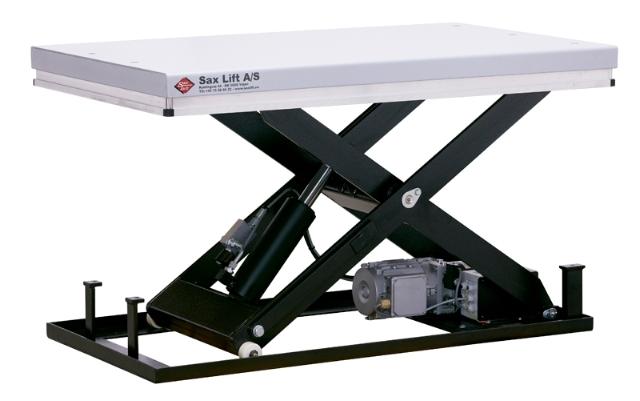
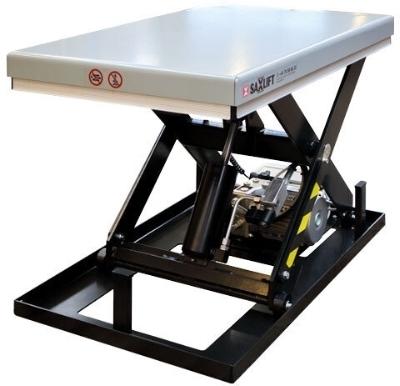
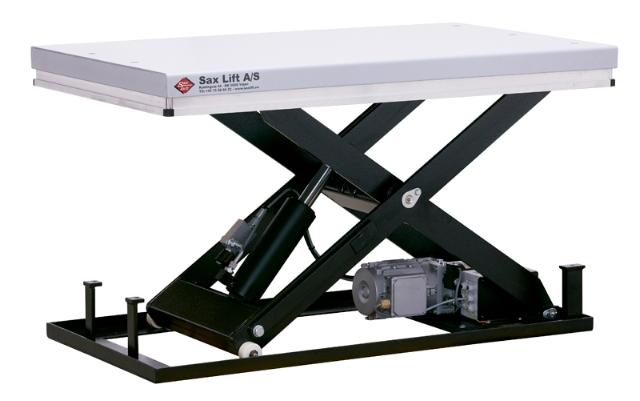
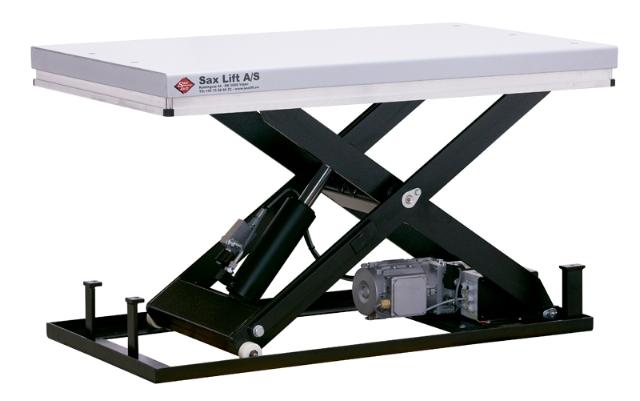
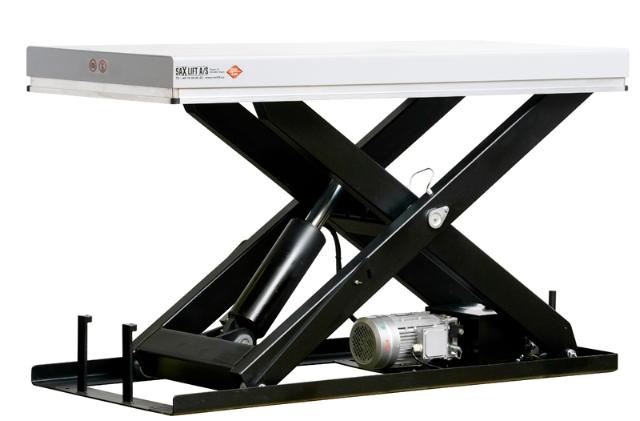
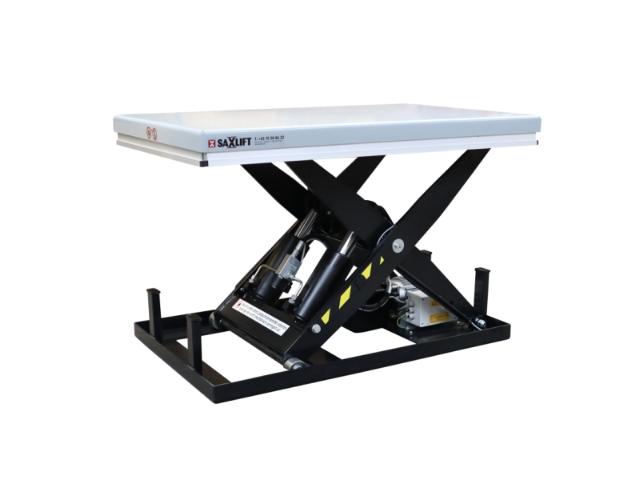
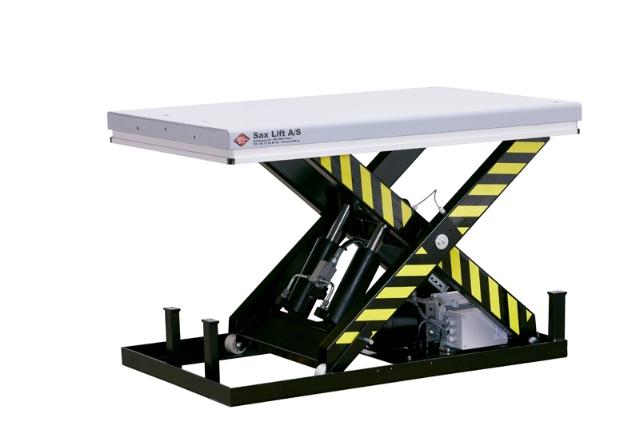
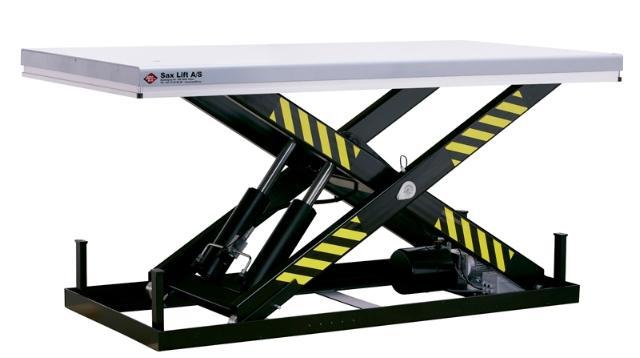
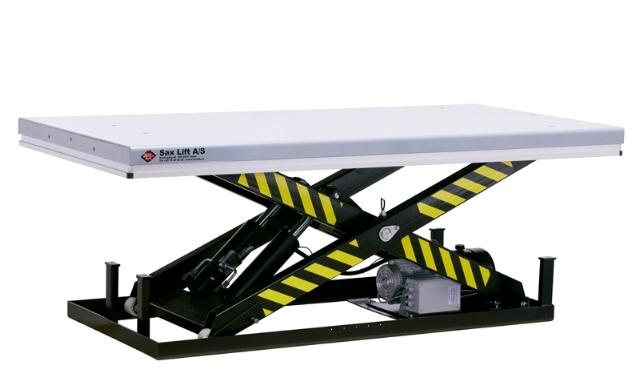
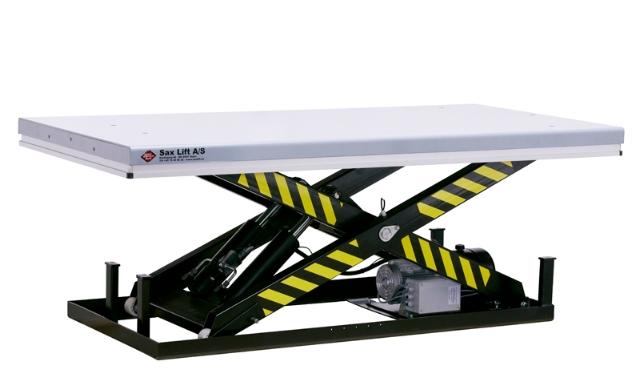
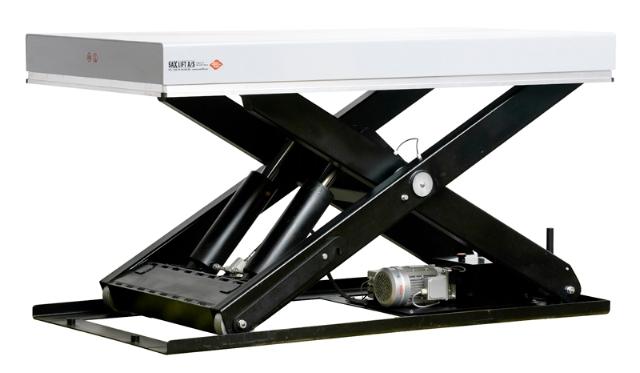
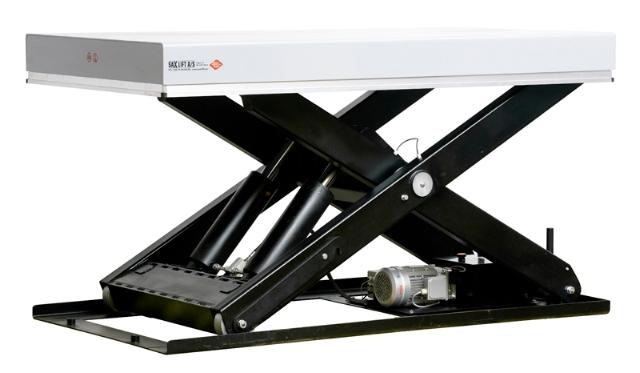
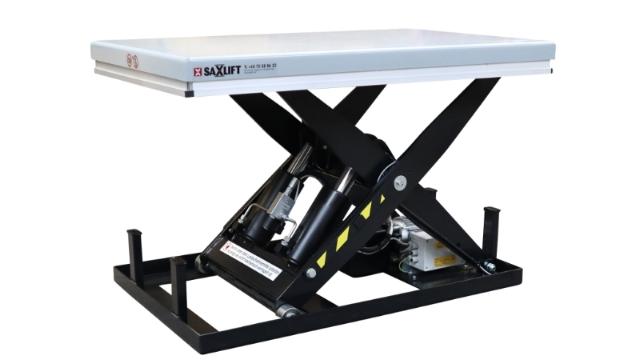
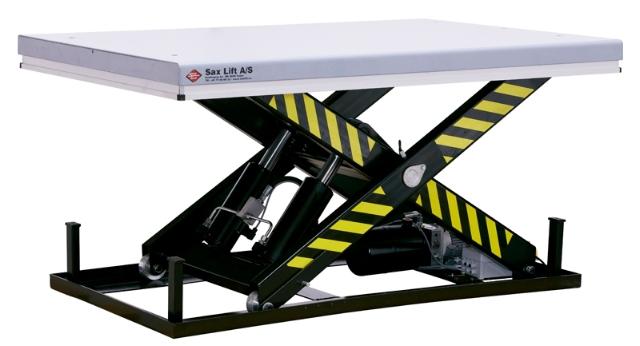
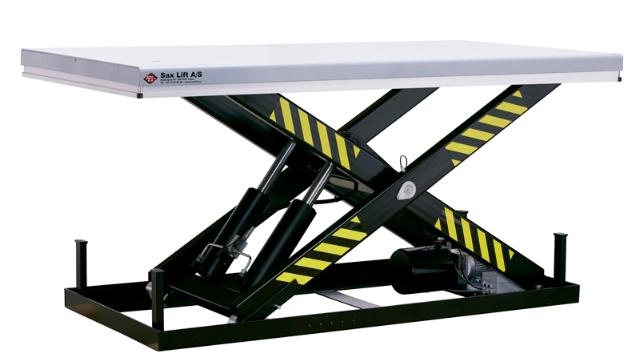
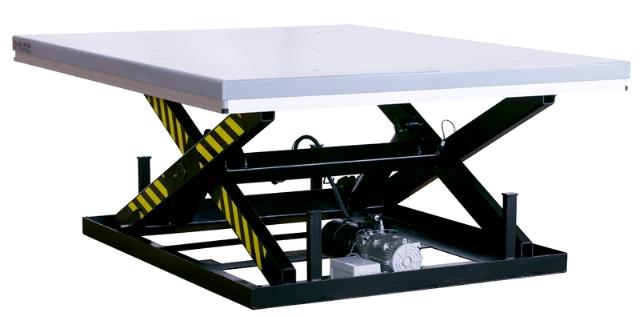
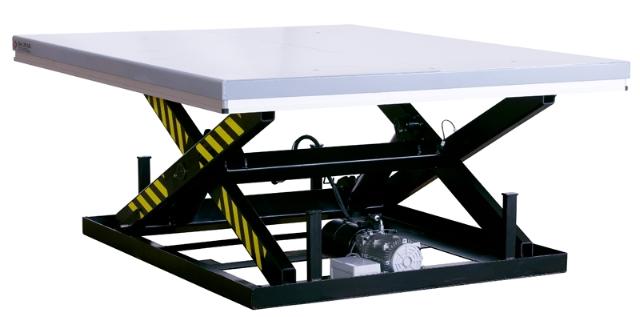
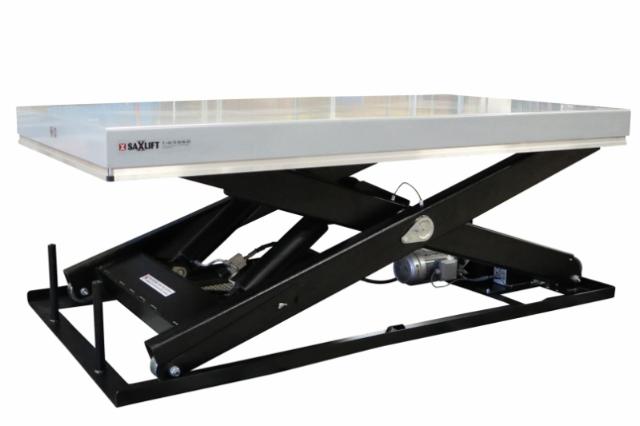
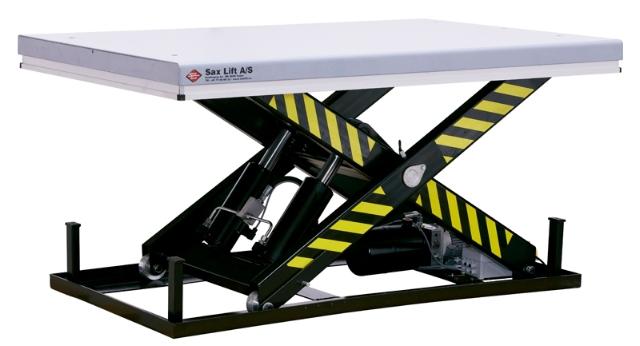
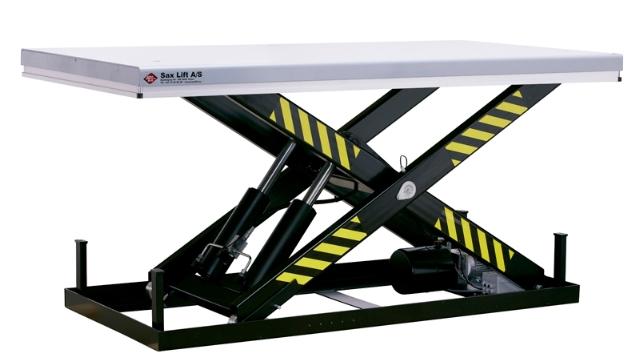
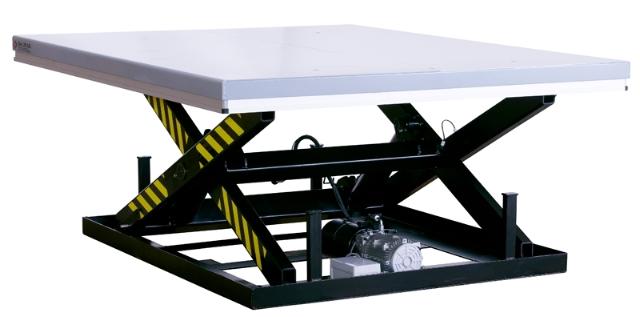
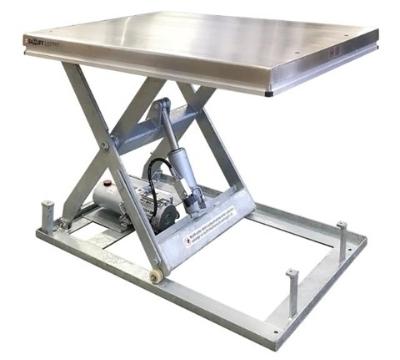
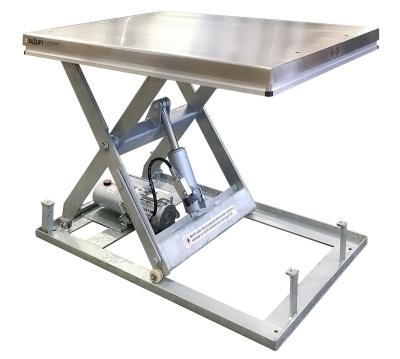
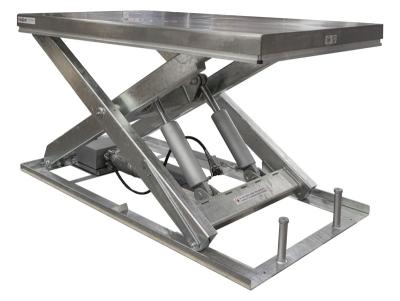
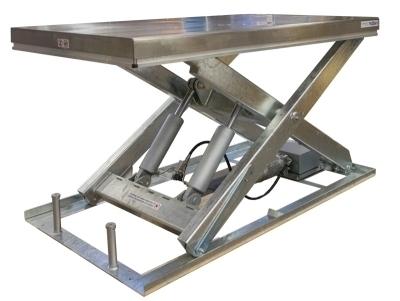
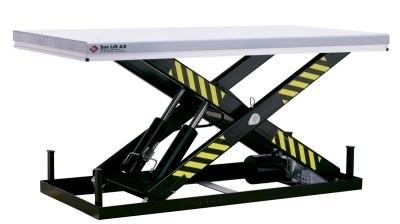
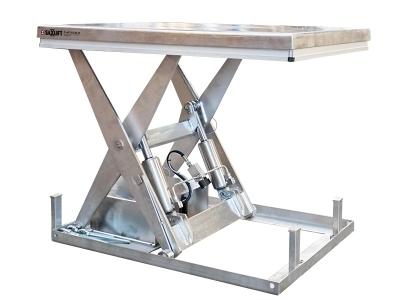
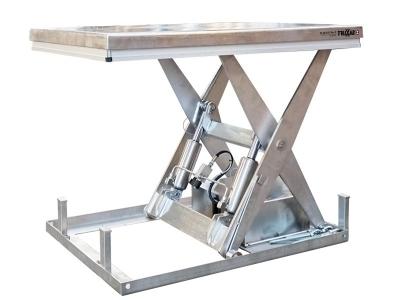
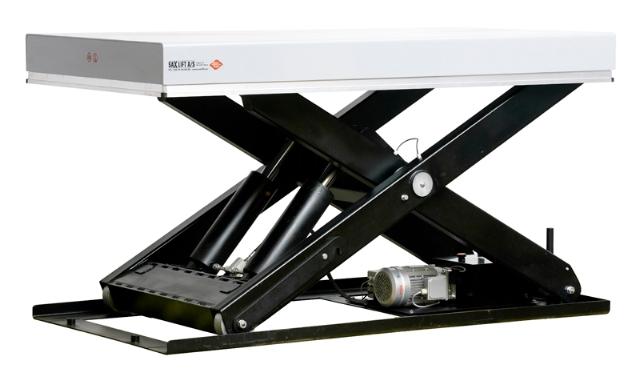
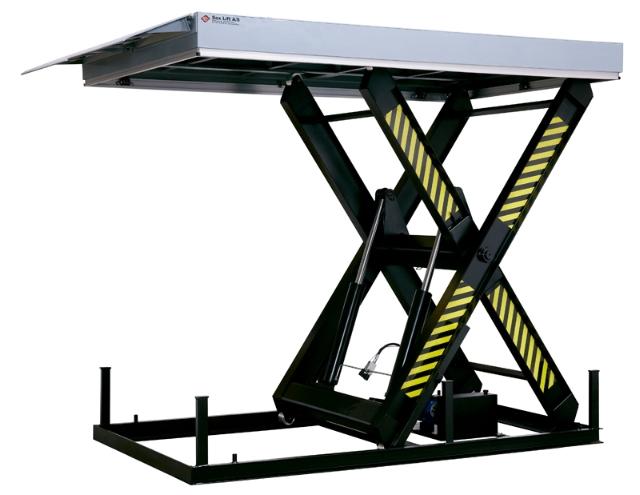
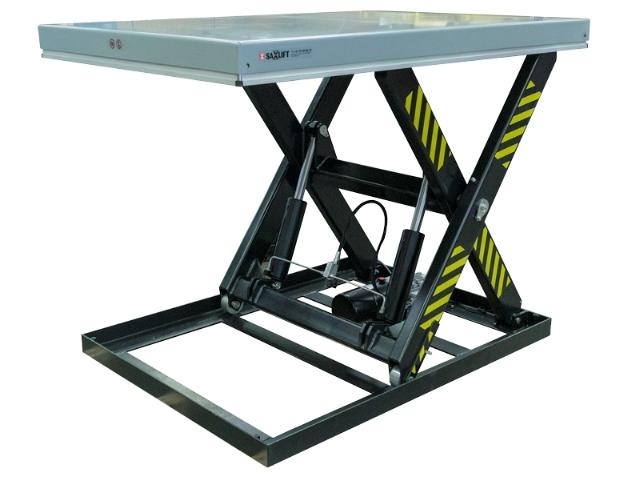
36 out of 55 products
Single Scissor Lift Table: Essential Lifting Solutions in Ireland
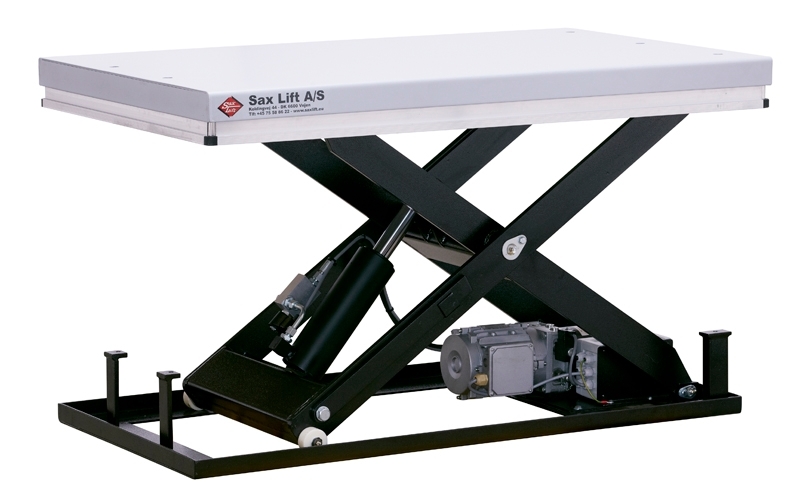
Single scissor lift tables and scissor lifts have become indispensable in various industries across Ireland due to their efficiency and versatility. These tools streamline material handling tasks by providing a stable and secure platform, which is critical for operations that involve lifting and positioning heavy items. By reducing manual labor, they minimize the risk of workplace injuries and help maintain a consistent workflow. The scissor lift table can be easily adjusted to different heights, adapting to a variety of work environments, from warehouses and factories to logistics centers. As a result, single scissor lift tables ensure smooth transport of goods between levels, allowing operations to function with minimal downtime. For those seeking a broad range of single scissor lift tables tailored for Irish industries, explore available models here.
What is a Single Scissor Lift Table?
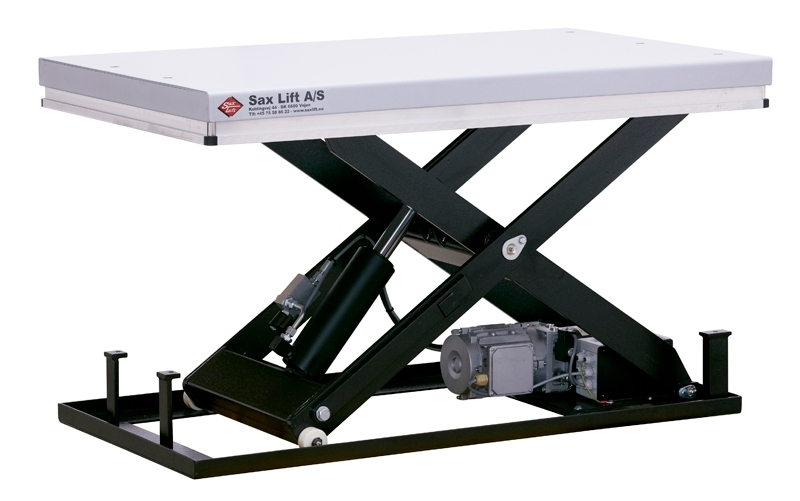
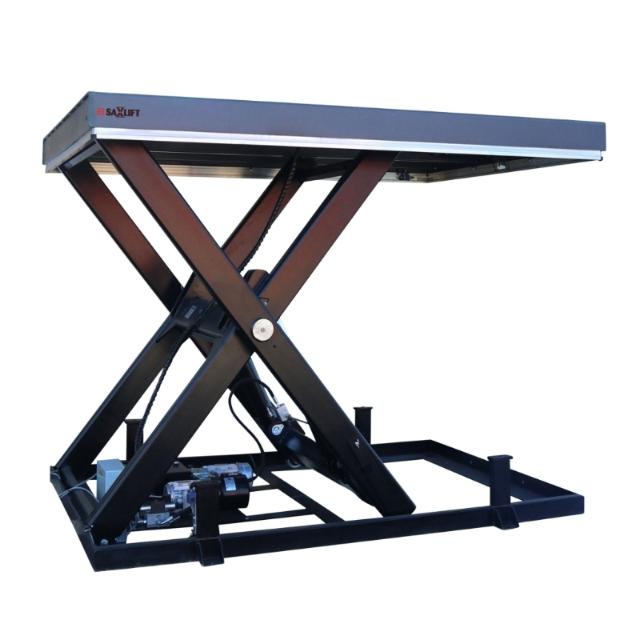
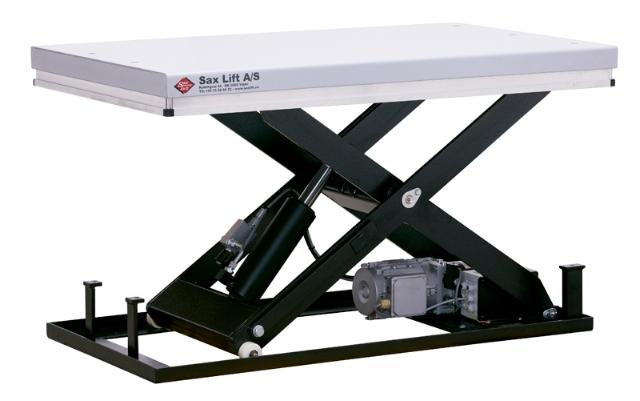
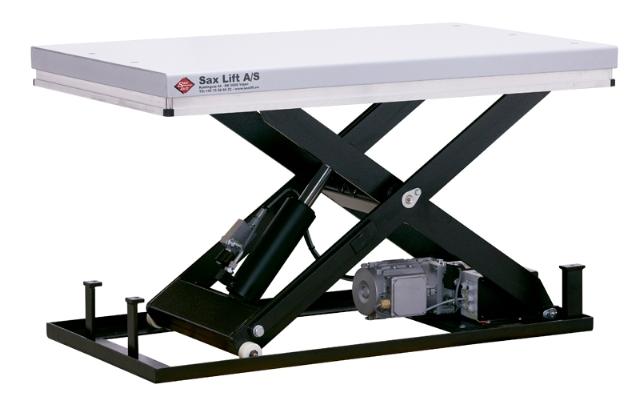
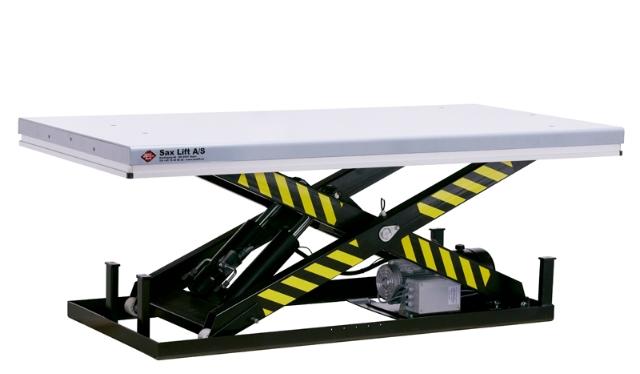
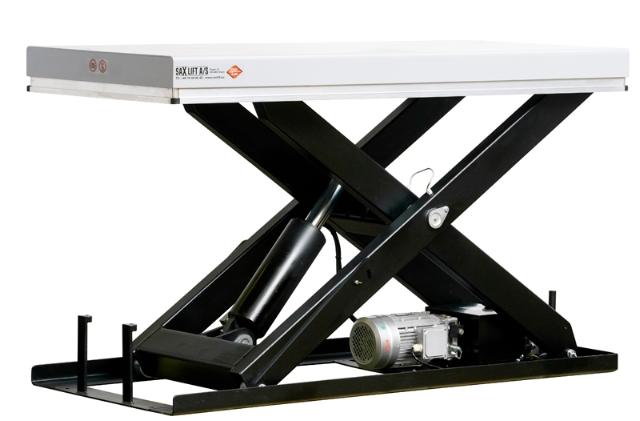
A single scissor lift table is a versatile piece of lifting equipment engineered to elevate and lower heavy loads efficiently and safely. Its operational core relies on a system of interlinked metal supports—often described as a crisscross or “scissor” mechanism—which expands and contracts to provide stable, smooth movement. These tables are widely used to improve efficiency and safety across sectors such as manufacturing and warehousing, making them a reliable choice for businesses aiming to optimize material handling processes. Among the popular models for demanding environments is the IL1000SBS single scissor lift table, offering robust performance for varied tasks.
How does a Scissor Lift Table Function?
The fundamental mechanism behind a single scissor lift involves interconnected supports arranged in an "X" configuration. As hydraulic force is applied to this structure, the supports push apart, lifting the platform vertically in a controlled and stable manner. Hydraulic scissor lift table parts, such as hydraulic cylinders and pumps, are responsible for generating this movement. When hydraulic fluid is pumped into the cylinders, the increasing pressure extends the scissor arms. Releasing the fluid enables the platform to descend gently. This hydraulic action allows the lifting table to easily handle a wide range of items and heights, making single scissor lifts a compact and effective solution wherever space and precision are critical considerations.
Applications of Single Scissor Lift Tables
Single scissor lift tables have broad applications across many sectors in Ireland, where compactness and adaptability are highly valued. In manufacturing and assembly, they raise heavy components to optimal working heights, reducing strain on workers and supporting productivity. In warehousing and logistics, scissor lift tables simplify the movement of high volumes of goods, ensuring efficient loading and unloading onto storage or transport systems. Retail environments also utilize these platforms to adjust the levels of merchandise displays, creating a favorable experience for customers. Their role in such industries demonstrates the versatility and reliability of single scissors as an ergonomic and highly adaptable lifting solution. For a complete overview of scissor lifts suited to warehouse and logistics needs, consider viewing the full range of lift tables available.
Advantages of Using a Single Scissor Lift
Integrating a single scissor lift table into operations offers several notable advantages. By elevating items to the required height, these tables eliminate much of the repetitive bending and reaching typically associated with manual handling. This translates to improved safety, reduced incidence of musculoskeletal injuries, and a faster overall workflow. The stable design of the scissor mechanism ensures that even heavy loads are lifted securely, while the hydraulic system allows precise and effortless position adjustment. These benefits make single scissor lifts a cornerstone for efficient and safe material handling in many professional environments.
Types of Scissor Lifts Available
While the single scissor lift table remains a popular choice for many tasks, other configurations exist to accommodate different operational requirements. For instance, tandem and multi-scissor lift tables use multiple sets of scissor mechanisms to provide longer or higher-reaching platforms, suitable for unique challenges in specialized settings. Mobile scissor lift tables combine lifting power with maneuverability, allowing the platform to be relocated easily within a workspace. Each type, from stationary to mobile and from single to multi-scissor, addresses specific industrial needs, making it possible to find the ideal lifting table for virtually any application. If your workspace requires frequent adjustments in lift location, mobile lift tables are an effective solution.
Mobile Scissor Lift Tables for Flexible Material Handling
Mobile scissor lift tables deliver significant benefits through enhanced mobility and ease of use in dynamic environments. Their design allows operators to move heavy loads between different areas without excessive manual effort or risk. Selecting an appropriate mobile scissor lift depends on factors like the required load capacity, maximum lifting height, and the specific operational context. These lifts are built for reliability, featuring robust construction and high-quality hydraulic scissor lift table parts that ensure safe operation and longevity. This combination of mobility and capacity greatly supports workflow flexibility and overall productivity.
Benefits of Using a Mobile Scissor Lift Table
Employing a mobile scissor lift table can drastically improve safety and efficiency in material handling. These tables are equipped to move substantial loads with minimal effort, making them highly suitable for environments where tasks and products regularly shift locations. The adjustable height function enables ergonomic working conditions, allowing employees to handle goods at optimal levels and thereby reducing fatigue and the potential for injury. The core benefits include increased load capacity, improved flexibility in movement, and better ergonomics, all of which contribute to safer and more efficient operations.
How to Choose the Right Mobile Scissor Lift Table
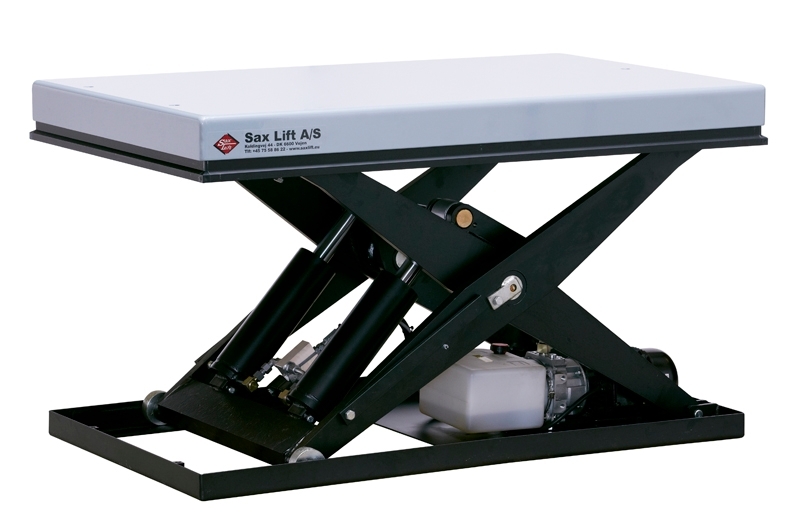
Choosing the correct mobile scissor lift table requires a clear assessment of operational needs, particularly with regard to load capacity and lifting height. Different lift models are available, each designed for specific capacities, for example:
- Model IL500X: 500 kg capacity, 860 mm travel height
- Model IL1000SBS: 1000 kg capacity, 1050 mm travel height
- Model IL2000SB-B: 2000 kg capacity, 1050 mm travel height
- Model IL3000: 3000 kg capacity, 795 mm travel height
- Model IL3000SB: 3000 kg capacity, 1100 mm travel height
Understanding these specifications, along with the closed and overall height of the platform, ensures the selected lift will integrate seamlessly into the intended workspace. Prioritizing these technical factors enables businesses to identify and implement the most effective and safe lifting solution. For technical data and options on the IL500X, visit the IL500X model page.
Key Features of High-Quality Mobile Scissor Lift Tables
High-quality mobile scissor lift tables are built to be durable, practical, and versatile. The most important features include a wide range of load capacities to cover different industry requirements, advanced mobility solutions such as integrated trolley systems for effortless movement, and adjustable lifting heights that range from moderate to substantial elevations. These features, combined with reliable hydraulic scissor lift table parts, improve operational safety and are fundamental to efficient warehouse and industrial workflows.
Understanding Load Capacity in Scissor Lift Tables
The load capacity of a scissor lift table determines both its safety and its practical utility. Capacities commonly range from 500 kg for light-duty applications up to 12000 kg for more demanding industrial tasks. Accurately matching the lift's load capacity to operational requirements ensures optimal performance and helps prevent overloading risks.
Load Capacities: From 500 kg to 12000 kg
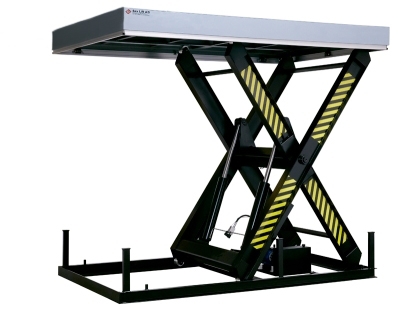
The most popular single scissor lift tables and mobile lifting tables cater to loads in the 500 kg to 12000 kg range. Selecting the appropriate lift involves carefully checking the manufacturer’s specifications and adhering to the recommended limits. Overloading can cause damage to hydraulic components and other scissor lift table parts, endangering both equipment and personnel. Regular inspection routines help verify that lifts remain within safe operational tolerances and continue to perform as intended.
Choosing a Scissor Lift Table Based on Capacity Requirements
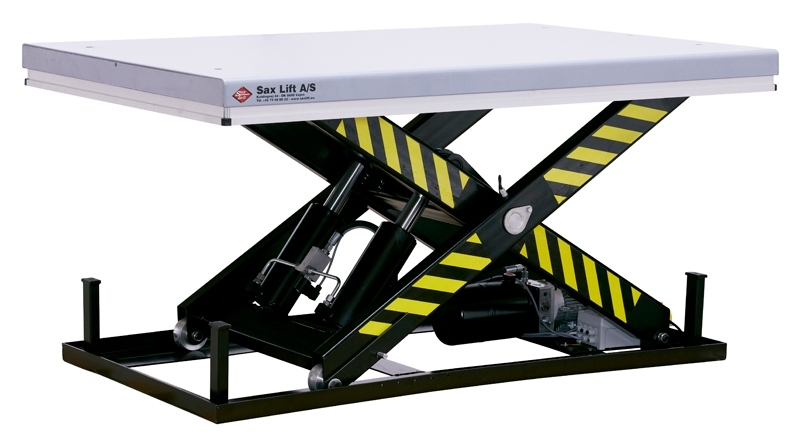
Evaluating load requirements is a critical step when selecting a new scissor lift table. Models with lower capacities, like the IL500X, are suitable for lighter industrial tasks or smaller facilities, while high-capacity lifts, such as the IL3000SB, are better suited for environments requiring the frequent movement of heavier items. Besides load weight, decision makers should consider platform size and lifting speed to further align the choice of lifting table with operational goals. Making such informed selections results in safer, more efficient material handling throughout Ireland.
Impact of Load Capacity on Performance and Safety
Load capacity directly influences the long-term effectiveness and reliability of a scissor lift. A robust lift is capable of securely supporting heavy loads at various heights, while overburdened equipment may experience increased wear, slower operation, or mechanical failure. Operators must rigorously adhere to capacity guidelines and schedule regular maintenance, especially for critical hydraulic scissor lift table parts. By observing these practices, businesses can ensure that their lifting equipment remains both safe and efficient for daily use.
Maintenance of Hydraulic Scissor Lift Table Parts
Proper maintenance is fundamental to extending the life and reliability of a hydraulic scissor lift table. Routine checks and timely servicing prevent many operational issues, while well-maintained lifts reduce unplanned downtime and lower long-term repair expenses. Maintaining critical hydraulic components, such as pumps, hoses, and cylinders, as well as mechanical scissor supports, helps ensure consistent, smooth lift operation and overall workplace safety.
Regular Maintenance Tips for Hydraulic Lift Tables
Operators should systematically inspect lifting tables for wear and damage, especially focusing on hydraulic components. This includes monitoring for hydraulic leaks, ensuring fluid levels are correct, and checking for signs of contamination. Lubricating all moving parts, such as scissor joints and rollers, reduces friction and mechanical stress, further supporting the table's operational efficiency. Promptly addressing any issues found during inspections helps avoid costly repairs later and extends the life of the lift.