
Stainless Steel

Stainless Steel Mobile Lift Table Benefits
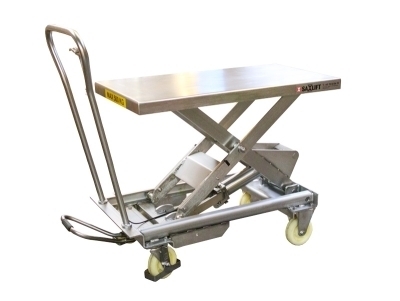
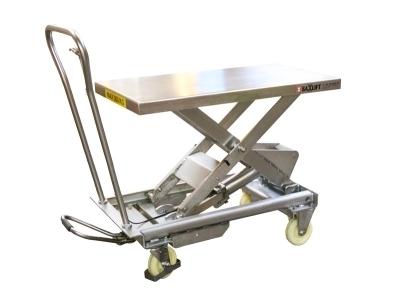
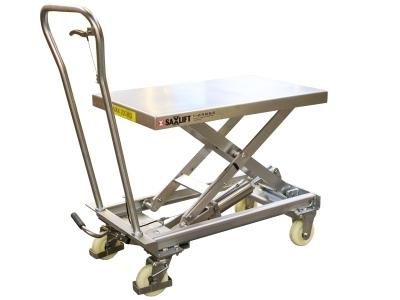
A stainless steel mobile lift table offers a wide array of benefits in demanding environments where durability, hygiene, and ease of movement are required. These robust tables are constructed from stainless steel, guaranteeing resistance to corrosion and making them particularly well-suited for industrial settings where exposure to moisture and chemicals is frequent. Stainless steel scissor lift tables, including models such as the IZ500SST and IZ1000EL-SST, are recognized for long service life and combine strength with excellent mobility for handling heavy loads. For those seeking an overview of different models and features, the stainless steel mobile lift tables selection provides detailed information.
Employing a stainless steel mobile lift table results in efficient lifting operations, minimizes manual labour, and enhances workplace safety. With model capacities such as 500 kg and 1000 kg, there is a solution available for a range of material handling needs. The mobile design allows operators to move these tables efficiently in constrained or busy areas, providing exceptional flexibility. These features are crucial for businesses prioritizing both operational efficiency and the reduction of injury risk. To explore additional options tailored to specific applications, it can be useful to review the complete mobile lift table range before deciding.
What is a Mobile Lift Table
A mobile lift table is an essential, multifunctional device designed to simplify the process of lifting, lowering, and transporting heavy or bulky items. This versatile equipment uses a mechanical scissor mechanism to raise and lower loads with ease, improving efficiency during day-to-day tasks. Mobile lift tables are particularly valued in industrial and production contexts for their ability to boost productivity and facilitate safe handling practices.
When crafted from stainless steel, as in the case of the stainless steel mobile lift table, these units are optimized for environments that demand stringent hygiene or frequent sanitation. Their sturdy construction and smooth lifting action are suited for continuous use in fields such as food processing or pharmaceuticals, where material handling standards are critical.
Understanding Lift Table Basics
Mobile lift tables are designed to facilitate the ergonomic movement and positioning of heavy items, enhancing both safety and productivity. The core principle of a scissor lift table relies on its scissor structure, which extends and contracts to achieve smooth vertical motion. Stainless steel mobile lift tables, such as the IZ500SST and IZ1000EL-SST, are engineered for longevity and reliable performance, providing controlled, precise adjustments to load height with either manual or electric operation.
These tables lower the physical demands placed on employees by minimising the need for repetitive lifting and reducing associated fatigue. Since industries such as manufacturing, warehousing, and logistics require frequent relocation of heavy goods, stainless steel mobile lift tables have become an indispensable asset, valued for their stability and hygienic surfaces.
How a Scissor Lift Table Operates
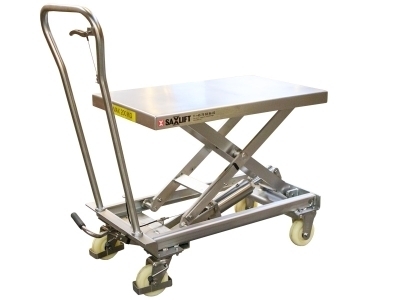
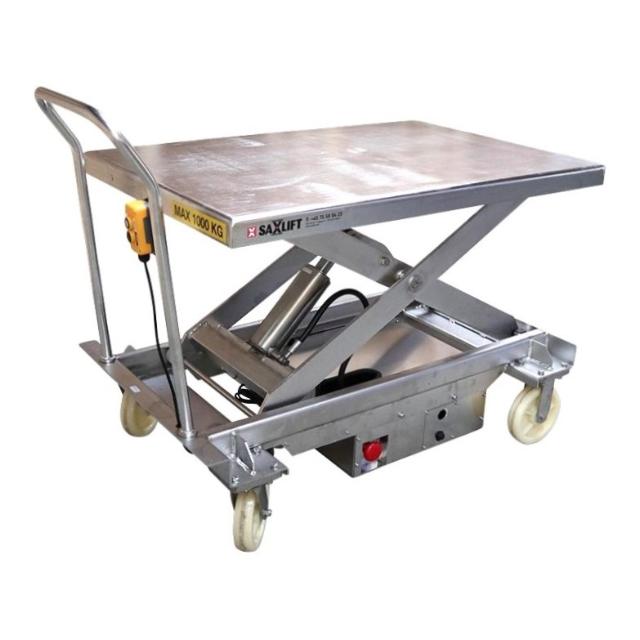
A scissor lift table functions by utilizing a pantograph scissor mechanism, which allows for smooth and controlled changes in height. The lifting action can be powered by hydraulic systems for manual units or by electric motors for automated models. Stainless steel lift tables, such as the electric IZ1000EL-SST, are engineered to offer superior performance even in harsh or corrosive environments, maintaining their integrity and ensuring safety during operation.
Common stainless steel mobile lift table models include:
- IZ200SST with a capacity of 200 kg (manual operation), platform length 830 mm, and travel height 910 mm
- IZ500SST with a capacity of 500 kg (manual operation), platform length 1010 mm, and travel height 1000 mm
- IZ1000EL-SST with a capacity of 1000 kg (electric operation), platform length 1200 mm, and travel height 1240 mm
These features allow industrial scissor lifts to streamline material handling, increase efficiency, and promote a safer workplace by accommodating varying load sizes and operational needs.
Applications of Stainless Steel Mobile Lift Tables
A stainless steel mobile lift table is highly valued across a variety of industries thanks to its ability to address both hygiene and durability requirements. In settings such as manufacturing, warehousing, logistics, and distribution centers, a stainless steel mobile lift table is vital for moving and positioning goods with minimal effort and reduced risk. Users interested in other scissor-based solutions may also investigate the comprehensive single scissor lift tables category.
Automotive workshops frequently use stainless steel scissor lifts for the precise handling of parts and components, while pharmaceutical and food manufacturing environments benefit from the smooth, easy-to-clean surfaces necessary for maintaining strict hygiene standards. The electric scissor lift table, such as the IZ1000EL-SST, enables quick adjustments and reliable lifting in high-volume production lines that require both speed and precision.
Why Stainless Steel is Chosen for Mobile Lift Tables
Stainless steel is preferred for mobile lift tables due to its strength, resistance to corrosion, and minimal maintenance requirements. This material endures harsh chemicals, moisture, and temperature fluctuations found in certain industrial settings, providing superior longevity over alternatives. When workplaces require heavy lifting and continuous use, stainless steel mobile lift tables deliver both reliability and low upkeep, ensuring fewer operational interruptions and a lower total cost of ownership.
Advantages of Stainless Steel in Lift Table Construction
When selecting a mobile lift table for industrial use, stainless steel stands out for its unmatched durability and resistance to rust and chemical exposure. These characteristics are especially relevant in environments where regular sanitation and ongoing exposure to moisture or aggressive cleaning agents are standard practice. The stainless steel mobile lift table is also valued for its hygienic properties, making it suitable for food, beverage, and pharmaceutical production where cleanliness is essential.
Stainless steel scissor lift tables, including the IZ500SST and IZ1000EL-SST models, offer additional robustness and flexibility to accommodate a range of weights and platform sizes. The investment in a stainless steel table not only improves operational reliability but also aligns with requirements for strict hygiene and ongoing equipment resilience.
Durability and Maintenance of Stainless Steel Mobile Lift Tables
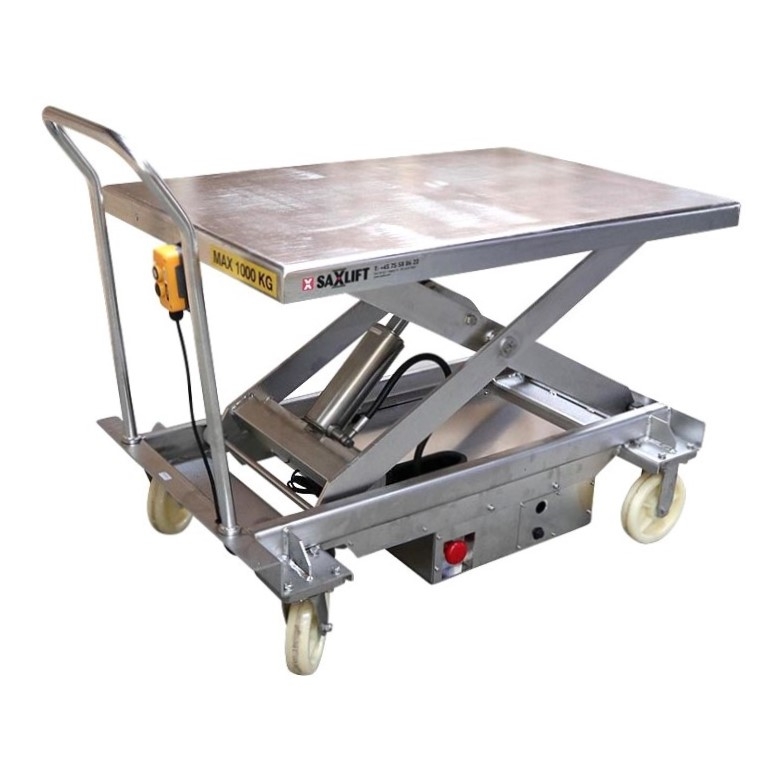
The long-term durability of a stainless steel mobile lift table is one of its most significant advantages for industrial users. Noted for its high resistance to corrosion, wear, and impact, stainless steel extends the service life of both standard and heavy-duty lift tables. Maintenance routines are straightforward, often requiring little more than routine inspections and cleaning to preserve the table's performance.
For example, the IZ500SST model exemplifies corrosion resistance and robust construction for efficient operation, while the IZ1000EL-SST is engineered for both high capacity and reduced downtime. Regular maintenance, combined with the inherent resilience of stainless steel, ensures minimal interruptions and ongoing reliability in a variety of demanding work environments.
Comparing Stainless Steel Mobile Lift Tables to Other Materials
When selecting a mobile lift table, the choice of material impacts its longevity and suitability for specific tasks. Stainless steel surpasses alternatives such as aluminium and carbon steel in both durability and resistance to corrosion. In high-moisture or chemically intense workspaces, a stainless steel scissor lift table outperforms carbon steel, which may rust, and aluminium, which may lack sufficient strength for heavy-duty applications.
For operations requiring reliable handling of heavy loads and minimal maintenance, stainless steel remains the leading option for mobile lift tables and scissor lift trolleys.
How to Choose a Stainless Steel Mobile Scissor Lift Table
Choosing the appropriate stainless steel mobile scissor lift table requires evaluation of key operational factors such as lift capacity, mobility, platform size, and safety features. The anticipated daily load, maximum required lifting height, and workspace layout guide the decision-making process. Selecting a table with the right combination of capacity and platform dimensions ensures the best fit for specific industrial needs and available space.
Stainless steel mobile lift tables such as the IZ500SST are compact for manoeuvring in restricted areas, while double scissor lift tables like the IZ1000EL-SST offer greater reach for larger tasks. Matching the lift's specifications to the application increases both safety and productivity.
Key Features of a Quality Stainless Steel Mobile Lift Table
Excellent stainless steel mobile lift tables are distinguished by their stability, durable frames, efficient scissor mechanisms, and easy-to-operate controls. Models like the IZ500SST and IZ1000EL-SST deliver industry-leading performance, capable of supporting continuous use in harsh settings. Features such as smooth-rolling wheels and hydraulic or electric lift systems simplify operation and reduce physical strain, ultimately enhancing workflow.
Adaptability across diverse industrial tasks and consistent functionality in challenging environments are hallmarks of a trusted stainless steel mobile lift table.
Load Capacity and Lifting Height in Stainless Steel Mobile Lift Tables
Accurately evaluating load capacity and lifting height is fundamental when selecting a mobile lift table. For example, the IZ500SST stainless steel mobile lift table is designed to handle up to 500 kg, while the IZ1000EL-SST accommodates up to 1000 kg, supporting a wide range of industrial applications. The appropriate lifting height facilitates ergonomic positioning, with the IZ500SST capable of elevating loads to 1000 mm, suitable for numerous work processes. Additional details about scissor lift solutions can be found in the scissor lift tables section.
Ensuring the selected lift aligns with overall process needs, safety requirements, and operator convenience not only safeguards workers but also maintains smooth production cycles.
Choosing the Ideal Size and Platform for Your Application
The optimised integration of a stainless steel mobile lift table into a workflow depends on careful consideration of size and platform type. Compact models, like the IZ500SST, are suited for environments with spatial constraints, while larger double scissor lift tables, such as the IZ1000EL-SST, offer expanded surfaces and increased reach for handling bulkier items. Assessing the compatibility of platform length, width, and load type assures highest utility and efficiency. The right selection matches operational needs with available workspace, contributing to safe and streamlined processes.
Safe Operation of Stainless Steel Mobile Lift Tables
Operating a stainless steel mobile lift table safely is essential to prevent workplace incidents and ensure reliable performance. Operators should adhere to established safety guidelines, such as never exceeding the manufacturer's specified load limits for their specific lift table models, and being attentive to proper procedures during every use. Comprehensive training in equipment operation reduces the likelihood of mishandling and accidents.
Routine inspection of hydraulic systems, wheels, and mechanical components—alongside scheduled maintenance—greatly prolongs the lift table's life and safeguards users.
Safety Guidelines for Using Scissor Lift Tables
Promoting safety is critical when utilizing any scissor lift table. A thorough inspection should be performed before each use, with attention given to the table's hydraulic components, wheels, and locking mechanisms. All operators must be well-trained, familiar with controls, and understand the safety features of the specific stainless steel lift table. It is also vital to ensure that the working area is tidy to prevent tripping hazards and to avoid exceeding load limits, which are typically marked on each model.
Common Mistakes to Avoid with Stainless Steel Mobile Lift Tables
Certain recurring mistakes can compromise both safety and equipment reliability. These include overloading the lift table (e.g., exceeding the specified 500 kg or 1000 kg limits of the IZ500SST and IZ1000EL-SST), neglecting regular maintenance or safety checks, and failing to train staff correctly in scissor lift table operation. Maintaining a clear workspace and following manufacturer guidelines are also crucial steps in preventing avoidable accidents and ensuring optimal lift operation.
Common missteps, consequences, and preventative measures can be summarized as follows: Overloading results in equipment damage, which can be avoided by strictly adhering to weight limits. Lack of training often leads to operator injury; this is mitigated through comprehensive instruction. Inadequate maintenance causes malfunction, best managed by consistent inspections and servicing. Improper use presents safety risks, requiring adherence to operational protocols. Lastly, an untidy workspace introduces tripping hazards, which clear housekeeping eliminates.
Where Stainless Steel Mobile Lift Tables are Used
Stainless steel mobile lift tables are essential in industries where both high hygiene standards and frequent, heavy lifting are routine. These lift tables are prominent in pharmaceutical and food manufacturing, where compliance with sanitation processes is mandatory, and durability is essential. Other industries, such as chemical processing, marine operations, and water treatment, benefit from stainless steel's resistance to corrosion, facilitating safe equipment use under challenging circumstances.
In every application, factors such as required lifting height, weight capacity, and available work area influence the ideal lift table choice.
Industries Requiring Stainless Steel Mobile Lift Tables
Certain sectors are particularly reliant on stainless steel mobile lift tables, especially where the environment is harsh, corrosive, or subject to strict cleanliness regulations. In chemical manufacturing, the non-corrosive nature of stainless steel guarantees safe material handling. Marine-related businesses depend on these lift tables for their ability to resist rust caused by constant exposure to saltwater. Water treatment plants also benefit from stainless steel mobile lift tables, as they withstand both frequent moisture and aggressive cleaning protocols.
Stainless Steel Mobile Lift Table Applications in Food and Pharmaceutical Manufacturing
Within the food and pharmaceutical sectors, stainless steel lift tables are integral to processes that demand strict hygiene controls and efficient material handling. The sanitary, smooth surfaces of stainless steel scissor lift tables like the IZ500SST and IZ1000EL-SST models enable easy cleaning and sterilization, preventing cross-contamination and ensuring compliance with health regulations. These tables offer precise, electrically controlled lifting and lowering actions, important for aligning machinery, moving ingredients, or transferring delicate products on the production line.
Versatile use and straightforward cleaning make stainless steel mobile lift tables indispensable for maintaining continuous, contamination-free workflows and high productivity in these critical industries.
Tips for Selecting the Most Suitable Stainless Steel Mobile Lift Table
To choose the ideal stainless steel mobile lift table for a specific workspace, several criteria should be evaluated. Understanding the work environment is key—if hygiene or chemical resistance is a primary concern, stainless steel is the optimal material. Assessing the usual load weight ensures the table meets necessary safety and operational standards. Consideration of mobility and positioning requirements, such as the need to move equipment between workstations, will guide the selection of a mobile lift table with the right wheel and platform configuration.
It is important to verify compatibility with existing processes, including how the lift table integrates with other machinery or workflow steps. Equipment that aligns closely with operational demands not only enhances safety but also improves overall workplace efficiency and output.