
Tandem scissor lift tables
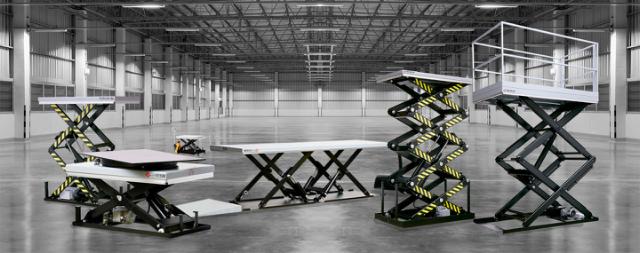

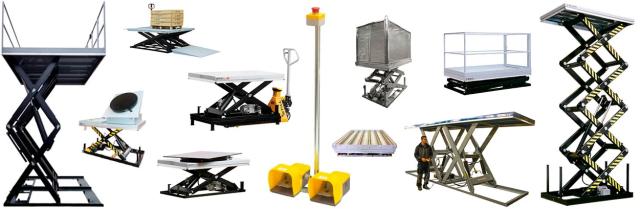
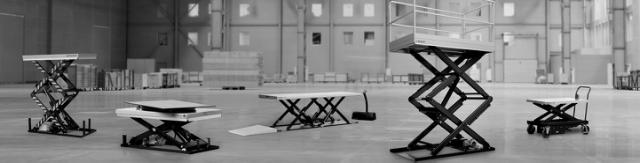
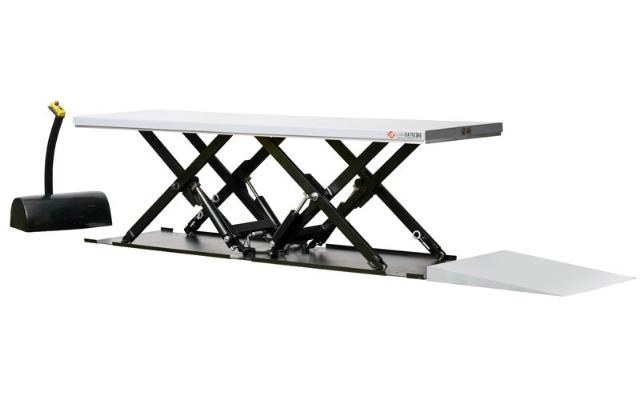
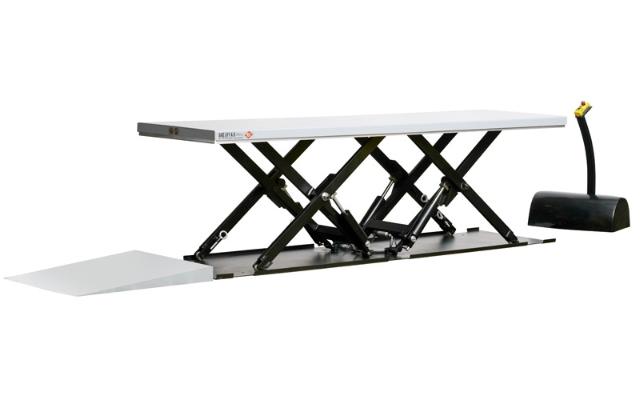
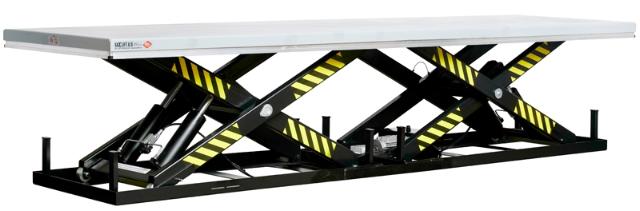
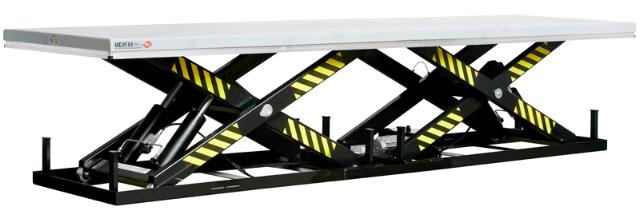
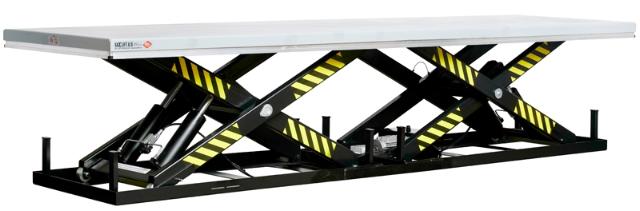
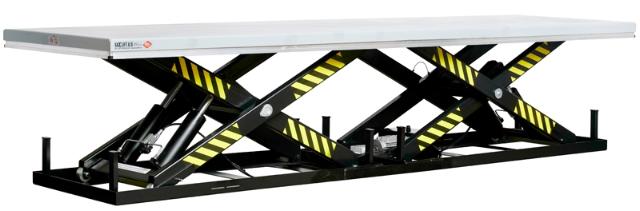
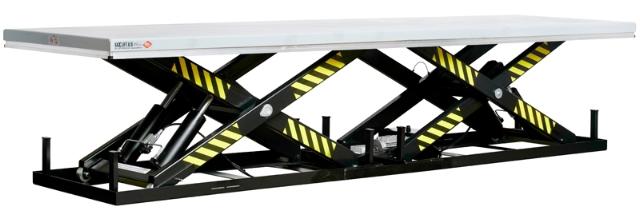
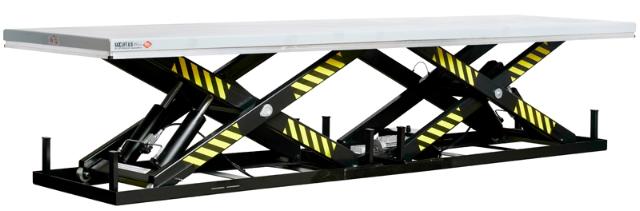
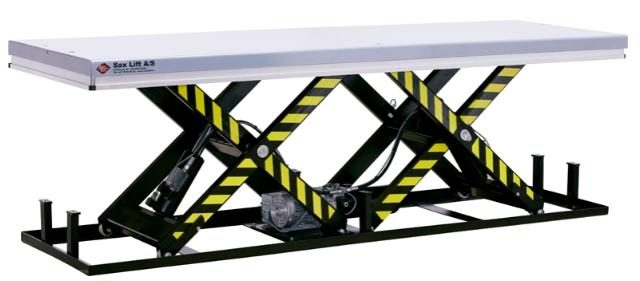
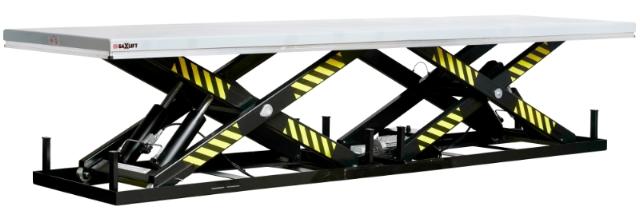
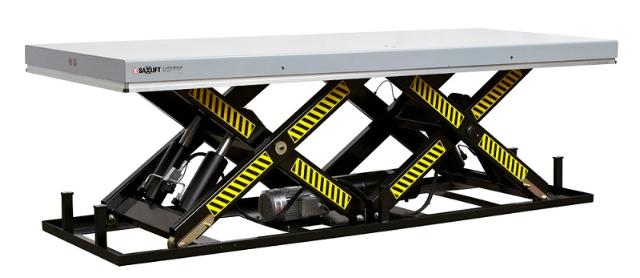
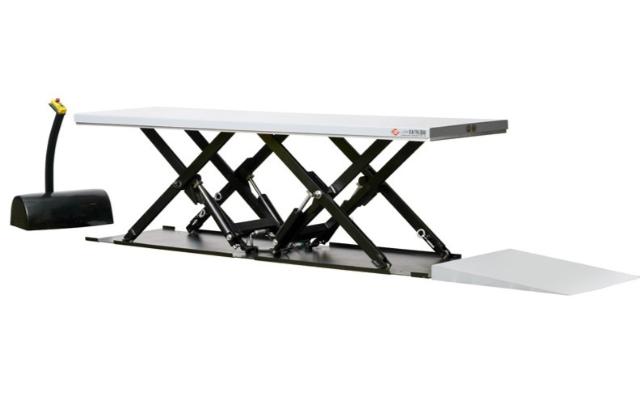
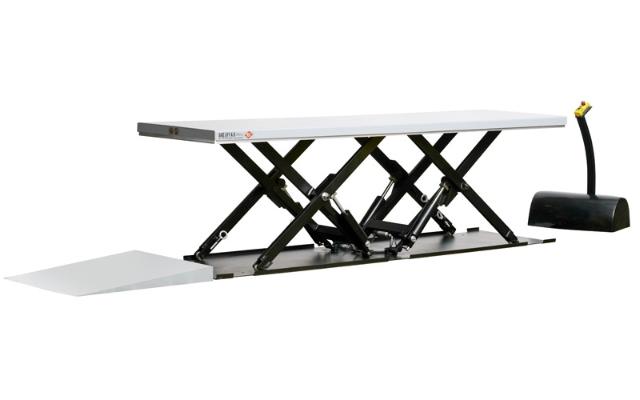
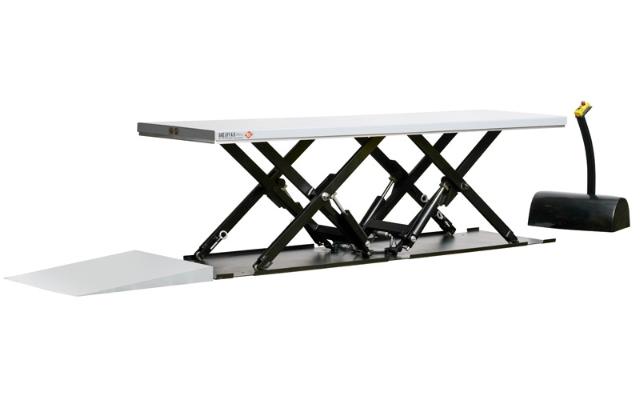
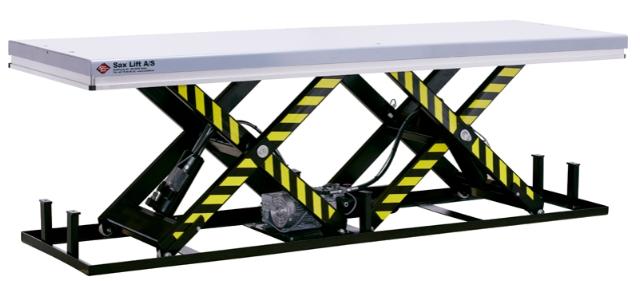
Tandem Scissor Lift Table: Versatile Platform Solutions
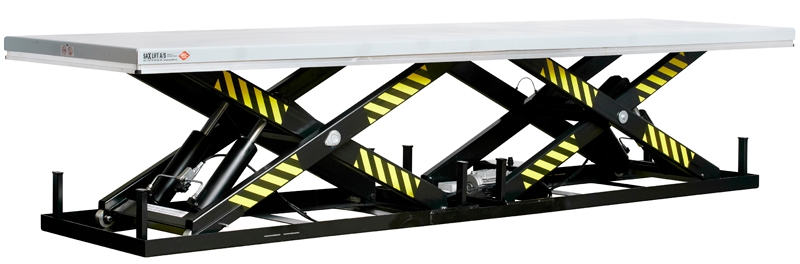
A tandem scissor lift table is recognized for its adaptability and efficiency as a versatile platform solution in a wide range of industrial environments. These hydraulic lift tables are engineered to manage an extensive array of lifting tasks, making them essential for operations requiring both reliability and substantial weight capacity. With weight capacities ranging from 1500 kg up to 8000 kg, tandem scissor lift tables are designed to accommodate varying operational needs found in sectors such as manufacturing, warehousing, and logistics. For those looking to find more information about tandem lift tables, it is possible to read all about on the dedicated tandem scissor lift tables page.
Models like the ILH4000SB and ILH6000SB illustrate the advanced capabilities of these tables, offering significant vertical travel heights of up to 1100 mm. Precision engineering and a robust structure make tandem scissor lift tables an optimal choice for heavy-duty applications where safety and consistent performance are priorities. Their compact closed height further aids in convenient storage and transportation, ensuring that practicality is not sacrificed for performance. Combining power, reliability, and ease of use, the tandem scissor lift table is a preferred solution in demanding industrial contexts.
What is a Tandem Scissor Lift Table and How Does It Work?
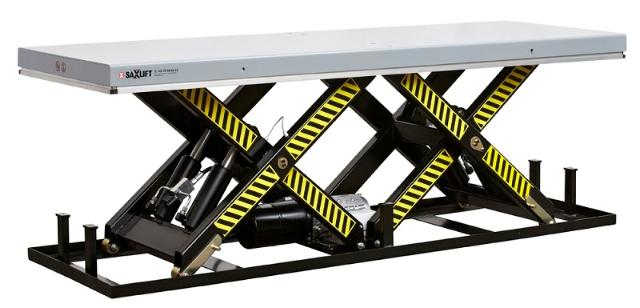
A tandem lift table is a type of platform specifically built to handle heavy and wide loads by utilizing a hydraulic lifting mechanism. This system works through the coordinated expansion and contraction of linked, crisscrossed supports, commonly known as the scissor mechanism. The hydraulic system, scissor legs, and platform work together to guarantee precise lifting and lowering actions, ensuring stability at every height.
One distinguishing advantage of tandem scissor lift tables lies in their ability to feature larger platform surfaces with enhanced lifting capacities, making them ideal for applications that require handling bulky or heavy materials. These tables are indispensable in sectors where reliable lifting and the ability to maintain steady positions under substantial weight are critical.
Understanding the Mechanism of a Tandem Scissor Lift Table
Though the technology behind tandem scissor lift tables may appear complex, the core mechanism is straightforward. The table is supported by a series of interconnected metal bars arranged in a scissor-like pattern. These supports extend and contract horizontally, allowing the platform to rise or descend in a controlled manner. Hydraulic cylinders are integral to the movement, providing the necessary lifting force while ensuring smooth and stable transitions between different platform heights.
The tandem structure involves multiple scissor mechanisms set side by side, resulting in a wider and more stable lifting surface. This arrangement allows the lift table to support larger and heavier loads than standard single scissor models, addressing unique workspace demands where both platform area and weight distribution are vital.
Key Components of a Hydraulic Lift Table
Hydraulic lift tables, and tandem scissor lift tables in particular, are built upon a series of essential components that collaborate to deliver dependable performance. Central to their operation are hydraulic cylinders, which create the lifting action required for handling goods of varying weights. The scissor mechanism ensures that stability and equal weight distribution are maintained at all elevations, a critical safety feature for heavy duty scissor lift table tasks.
Supporting these key elements is the platform, which serves as the load-bearing surface for materials. The power unit controls the hydraulic flow, facilitating precise lifting and lowering. Additional safety features are integrated to reduce risk, such as overload protection and locking devices. All elements combine to allow the tandem scissor lift table to perform reliably in a wide variety of applications.
Advantages of Tandem Scissor Lift Tables

Tandem scissor lift tables offer unique advantages, particularly for operations requiring consistent and safe handling of substantial loads. One benefit is their capacity to accommodate larger items due to increased platform area and superior load distribution. The use of two or more scissor mechanisms enables the platform to remain stable even when dealing with sizable and heavy objects, an essential feature in environments with robust handling demands.
Specific models, such as the ILH6000SB with a 6000 kg capacity, are especially suitable for organizations with heavy duty requirements. The enhanced platform width also means that bulkier materials can be managed efficiently, minimizing manual labor and optimizing workflow processes across various sectors. This makes the tandem scissor lift table an irreplaceable tool for industrial businesses seeking to maximize productivity and safety in their operations.
Types of Scissor Lift Tables
Various types of scissor lift tables are available to satisfy the diverse needs within industrial and production settings. The single scissor lift table is commonly used for standard lifting requirements, delivering reliable vertical movement without taking up excessive space. Tandem scissor lift tables, in contrast, are engineered for increased platform size and stability, making them ideal for applications demanding broader support and heavier load management.
Heavy duty scissor lift table models, such as double scissor or low profile variants, are also common in industrial settings. Double scissor lifts provide extra elevation for high-reach applications, while low profile tables, with their reduced closed height, are best suited for environments where space and height clearance are limited. These variants ensure that there is a hydraulic lift table suited to virtually any operational challenge.
Comparing Single Scissor Lift Tables and Tandem Scissor Lift Tables
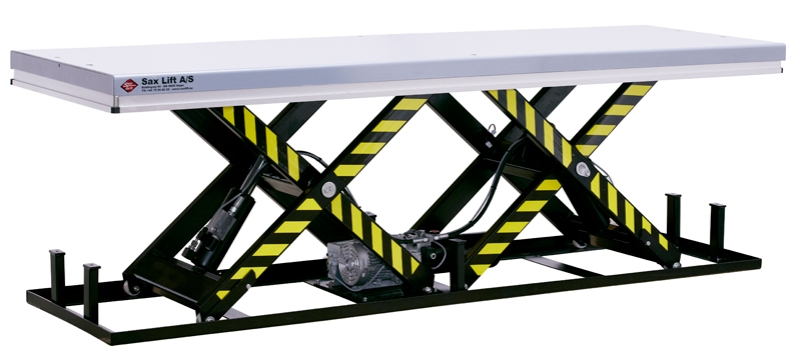
The decision between a single and a tandem scissor lift table hinges on the specific requirements of the task at hand. Single scissor lift tables are efficient solutions where vertical lift and compact design are primary concerns, often finding use in locations with limited available space and moderate weight needs.
Tandem scissor lift tables, in contrast, provide expanded platform size and greater load capacity. Models such as the ILH4000, with the capability to lift up to 4000 kg, are tailored for more demanding applications, where width, stability, and overall strength are necessary for managing large items and heavy materials. Generally, for lighter work and restricted spaces, single scissor models suffice, while tandem versions excel in more challenging industrial contexts.
Heavy Duty Scissor Lift Table: Double Scissor Applications
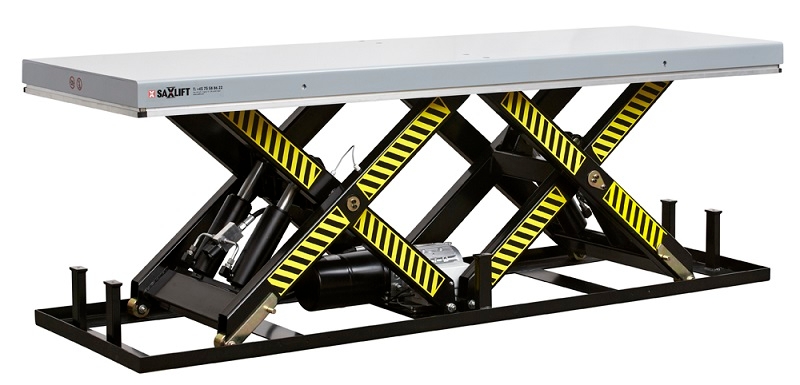
Heavy duty double scissor lift tables are recognized for their robust design and suitability for demanding tasks that require either higher elevation or the capacity to manage larger, heavier items. These tables are considered indispensable in environments where consistent and safe handling of substantial load is necessary, including manufacturing sites, automotive workshops, and construction areas. The ILH8000 model, for example, supports up to 8000 kg, making it a suitable choice for applications involving heavy equipment maintenance, assembly, and intra-facility transport. For those seeking a dedicated heavy duty scissor lift table, an extensive overview is available at the heavy lifting solutions page.
Tandem scissor lift tables within this heavy duty category enable precise positioning and movement of large items, thus reducing manual effort and enhancing workplace safety. The ability to reliably move exceptionally heavy objects translates into increased productivity and fewer interruptions due to equipment limitations.
Low Profile Lift Tables for Compact Industrial Spaces
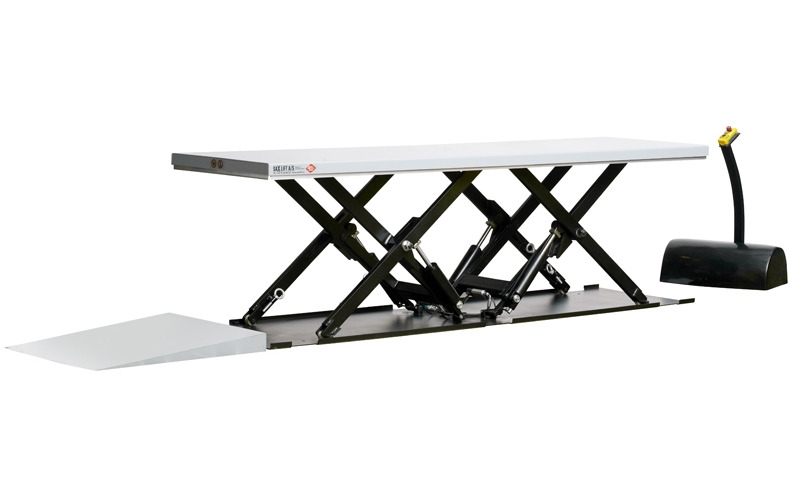
Low profile lift tables serve a specialized role in the industrial landscape by providing powerful lifting solutions within settings that have limited height clearance. Models such as the ICBH1000 and ICBH1500, with minimum heights of just 85 mm, are specifically designed to operate in spaces where traditional lifts would not fit. Their weight capacities of 1000 kg and 1500 kg, respectively, make them well adapted for lighter industrial tasks without compromising maneuverability.
Other low profile models, including the ICBH2000 and ICBH3000, extend lifting options up to 3000 kg and introduce slightly higher minimum closed heights at 110 mm. Tandem scissor lift tables can also be configured in low profile versions, making it possible to maintain stability and capacity in even the most space-constrained areas.
Lifting Capacities of Hydraulic Lift Tables
Hydraulic lift tables are available in a wide array of weight capacities, typically spanning from 1000 kg to 8000 kg. This range covers the most common requirements across industries, allowing both light-duty tasks and heavy duty scissor lift table applications. When choosing a lift table for heavy loads, decision-makers must carefully consider not only the required capacity but also whether a stationary or mobile system aligns best with the intended use environment.
An understanding of these capacities ensures that the selected hydraulic lift table performs tasks safely and efficiently, without risking overload or operational failure. Key considerations include total weight of the material, size of the platform needed, and operational workflow demands.
Understanding Load Capacities: 1000kg, 2000kg, and 4000kg Options
Matching a scissor lift table to its intended industrial use depends chiefly on understanding the available load capacities. Common load categories for lift tables include 1000 kg, 2000 kg, and 4000 kg, each suitable for varying workloads and operational complexities.
- 1000kg: These tables are intended for lighter operations, such as small assembly lines or moderate-load workshops.
- 2000kg: This capacity is ideal for medium-scale manufacturing and most warehouse tasks, balancing versatility and strength.
- 4000kg: Designed with heavy-duty industrial applications in mind, these tables reliably lift large and bulky items in high-demand settings.
Accurately identifying required lift capacity is crucial to efficient material handling, ensuring that operators work within the mechanical limits of their equipment at all times.
Choosing the Right Hydraulic Lift Table for Heavy Loads
For organizations where lifting and moving heavy loads is routine, selecting the ideal hydraulic lift table is critical. The tandem scissor lift table stands out as a versatile platform solution, addressing a range of industrial demands. Decision-makers must evaluate the necessary lifting capacity—options include models ranging from the ILH2000 at 2000 kg to the robust TSH7000, capable of elevating up to 7000 kg.
Ensuring the selected table matches the operational requirements promotes safety and reliability. A heavy duty scissor lift table is engineered to distribute loads evenly across the platform, thus providing stable support and minimizing the risks associated with extreme weight. Adhering to specific needs facilitates a productive work environment while maintaining high standards of safety.
Static vs. Mobile Hydraulic Lift Tables
The choice between static and mobile hydraulic lift tables is determined by workflow requirements and workplace dynamics. Static hydraulic scissor lifts are recommended for stationary operations where robust support and high load capacities are essential. These units offer unmatched stability and are often installed as permanent fixtures in a facility, making them suited to repetitive, defined lifting tasks.
Mobile lift tables, by contrast, are equipped with casters or wheels for easy movement between different locations within a facility. This mobility grants considerable flexibility, especially in fast-paced or varied operational environments where lifting needs frequently change. While mobile lifts typically have lower weight capacities compared to static models, their adaptability can increase workflow efficiency for certain types of businesses. Evaluating floor space, frequency of relocations, weight requirements, and safety considerations is crucial when determining whether a static or mobile option is optimal.
How to Determine the Ideal Lift Height for Applications
Lifting height is a key factor in the selection process for any scissor lift table. A proper assessment of workplace requirements is necessary to identify the optimal vertical reach, as tasks in different industries may demand varying working heights. For example, assembly lines will require platforms to reach specific ergonomic levels, whereas warehousing operations may benefit from lift tables capable of accessing goods stored on higher racking systems.
A scissor lift table with adjustable height is a practical asset, offering the flexibility to accommodate diverse operational needs. Careful consideration of the load type, the destination height, and ease of use are all instrumental in identifying the correct specification for any given application, ensuring maximum efficiency and safety.
Common Working Height Requirements by Industry
The importance of selecting an appropriate working height for a scissor lift table cannot be overstated. Each industry has specific needs, and matching those needs guarantees productivity and safety. In manufacturing, appropriate lift heights aid in assembly tasks by reducing worker strain and improving process flow. Warehousing operations often need elevated platforms to access stored items on upper shelves or racks. Automotive sectors rely on precise lift heights to facilitate vehicle servicing or repairs, particularly for undercarriage access. Identifying these requirements and equipping facilities with lift tables tailored to their vertical needs plays a essential role in operational effectiveness.
Impact of Lift Height on Operational Efficiency
The selection of lift height directly affects productivity within an organization. Matching scissor lift table heights to workflow tasks minimizes unnecessary movement and supports ergonomically correct working conditions, which can reduce fatigue and the risk of injury. For example, models like ILH2000 (1000 mm lift), ILH4000 (1100 mm), ILH6000SB (1400 mm), TSH7000 (1850 mm), and ICBH2000 (885 mm) all offer varying lift heights designed to suit particular tasks and settings. Utilizing tables with appropriate lift heights streamlines processes, enabling workers to access materials comfortably and efficiently, ultimately contributing to lower labor costs and improved productivity.
Maintenance of Tandem Hydraulic Scissor Lift Tables
Proactive maintenance is essential for extending the lifetime and reliability of a tandem hydraulic scissor lift table. Scheduled servicing routines, such as checking hydraulic fluid levels and examining components for wear, are effective in preventing malfunctions and costly repairs. Early identification of operational changes, such as unusual noises or slower-than-expected movement, also plays a critical role in maintaining safety and operational integrity.
Regular Maintenance Tips for Hydraulic Lifts
Ensuring regular upkeep of a tandem scissor lift table is essential for consistent operation. Routine tasks include inspecting the hydraulic fluid, examining hoses and connectors for signs of wear, and verifying the integrity of the scissor mechanism. Keeping all moving parts adequately lubricated is crucial to reducing friction and extending part life. Attention to these details enhances the overall safety and productivity of the lift table in the workplace.
Signs Indicating Service Needs for Scissor Lift Tables
Recognizing when a tandem hydraulic scissor lift table requires servicing is important for averting potential failures. Some signs include the occurrence of grinding or squealing sounds during operation, which may indicate mechanical or hydraulic issues. Slower lift speeds, visible fluid leaks, and any changes in platform alignment or stability, such as tilting or wobbling, warrant immediate inspection. Regular checks help identify these issues early, ensuring the continued safe and efficient operation of the equipment.
Ensuring Longevity of Tandem Scissor Lift Tables
A comprehensive maintenance schedule is the cornerstone of maximizing the operational life of a tandem hydraulic scissor lift table. Consistently monitoring for leaks, wear on hydraulic hoses, and alignment problems reduces the risk of sudden breakdowns. Lubricating all moving elements and following manufacturer guidelines for load capacity not only prevents premature wear but also upholds safety standards in daily operations. By adhering to these practices, facilities can prolong the service life of their lifting platforms, optimizing the return on investment.