

-15%
Manual mobile lift tables
16 products
-18%
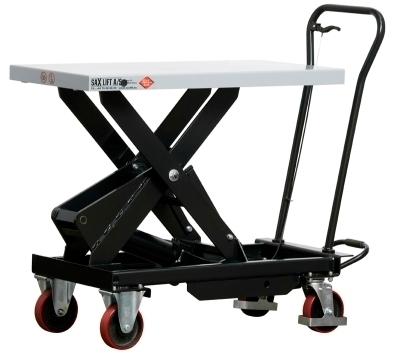
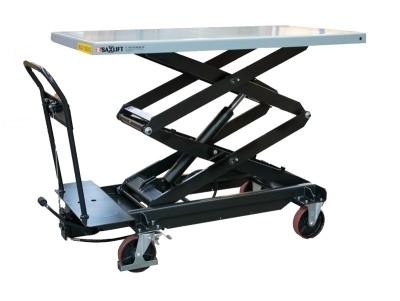
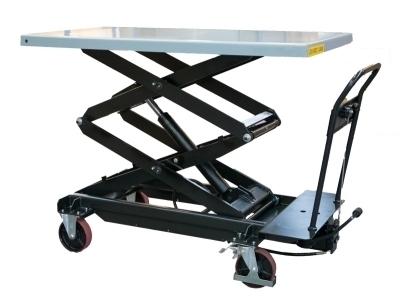
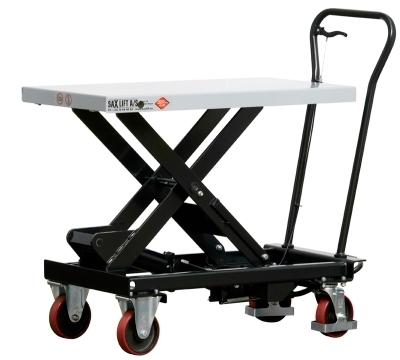
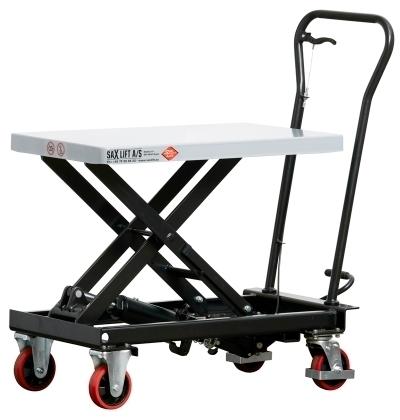
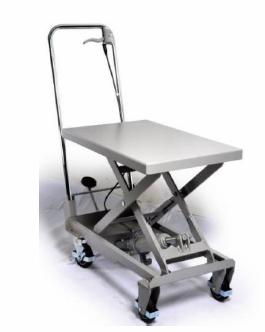
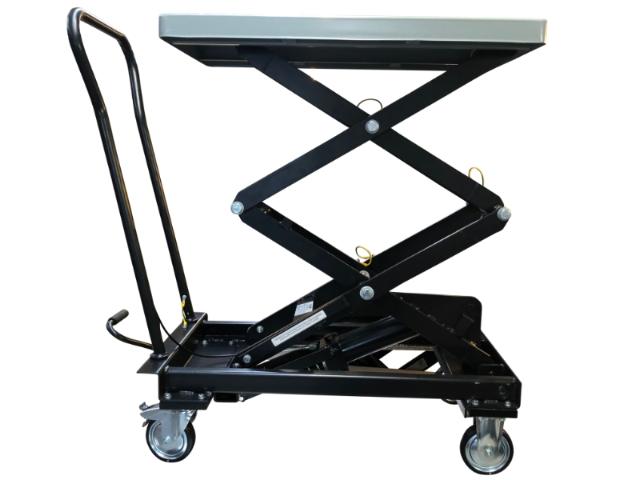
16 out of 16 products
Manual Mobile Lift Table advantages for workplace efficiency
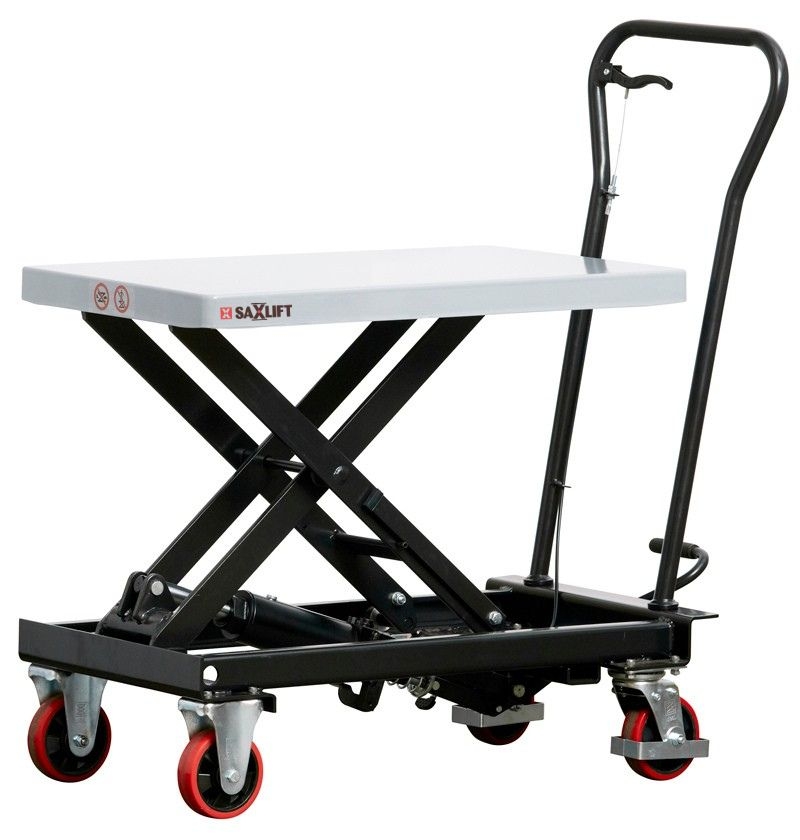
A manual mobile lift table is an essential tool for modern workplaces aiming to enhance efficiency and reduce physical strain for employees. As indispensable equipment, these devices—including manual mobile scissor lift tables—simplify the movement and positioning of heavy loads across varied work settings. Through hydraulic lift mechanisms, the manual mobile lift table provides an adjustable height platform, making it suitable for a range of different tasks in diverse industries. For a broader perspective on available solutions, explore the complete range of lift tables suited for numerous applications.
Models such as the IZ150 and IZ250 offer different load capacities within the manual mobile lift table family, which ensures optimal flexibility and adaptability for changing environments. Each mobile lift table is crafted for robust performance and easy mobility, reducing manual handling and the risk of injury caused by lifting. Their sturdy design, smooth maneuverability, and user-friendly operation enable quick and safe transfer of materials, streamlining daily routines and boosting overall productivity.
What is a manual mobile scissor lift table
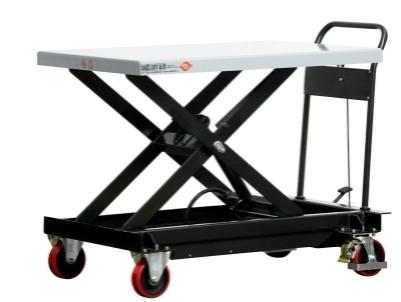
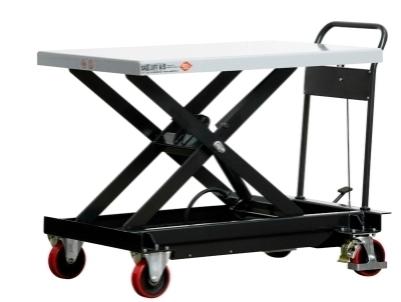
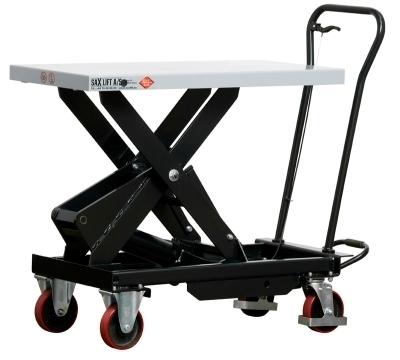
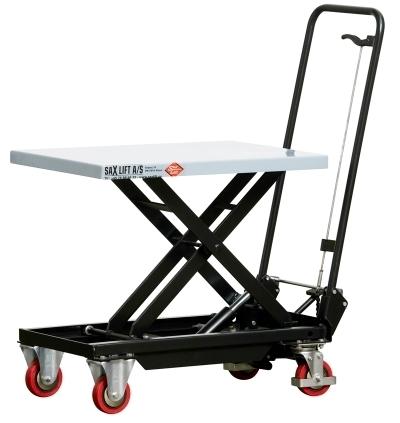
A manual mobile scissor lift table is a versatile piece of equipment specifically created to elevate and transport loads safely and efficiently within a wide range of environments. Using a well-engineered scissor mechanism, each mobile lift table raises and lowers a platform to the desired height, supporting tasks in manufacturing, warehouses, retail spaces, and more.
Often equipped with a manual hydraulic system, these lift tables allow for precise and controlled elevation by the operator. The mobile aspect of the lift table ensures ease of movement so that loads can be repositioned without extensive manual effort or the need for powered equipment. For instances where electricity is limited or unavailable, the manual hydraulic mobile scissor lift is particularly useful, enabling reliable handling of materials without dependency on external power sources.
Most manual mobile lift table models accommodate weight capacities from 100 kg up to 300 kg, making them suitable for many operational needs. Their compact, ergonomic design provides excellent fit in confined spaces, which is essential in busy warehouses, workshops, and retail environments where floor space is at a premium.
Definition and functionality of mobile scissor lift tables
Mobile scissor lift tables are engineered to assist with lifting and the transportation of heavy loads with optimal efficiency. The signature scissor mechanism beneath the platform allows controlled vertical motion, accommodating various industrial and commercial tasks. A key benefit is the ability to use a manual hydraulic system, granting operators smooth and accurate lifting or lowering as required.
Manual hydraulic mobile scissor lift tables are especially valuable in settings where powered options may not be practical, presenting a dependable solution for day-to-day material handling. The adaptability in weight capacity ensures that from lighter loads to heavier equipment, there is an appropriate manual mobile lift table available. Their space-efficient construction facilitates smooth operation in tight spaces, cementing their indispensability in busy work environments.
Benefits of using a manual mobile scissor lift table
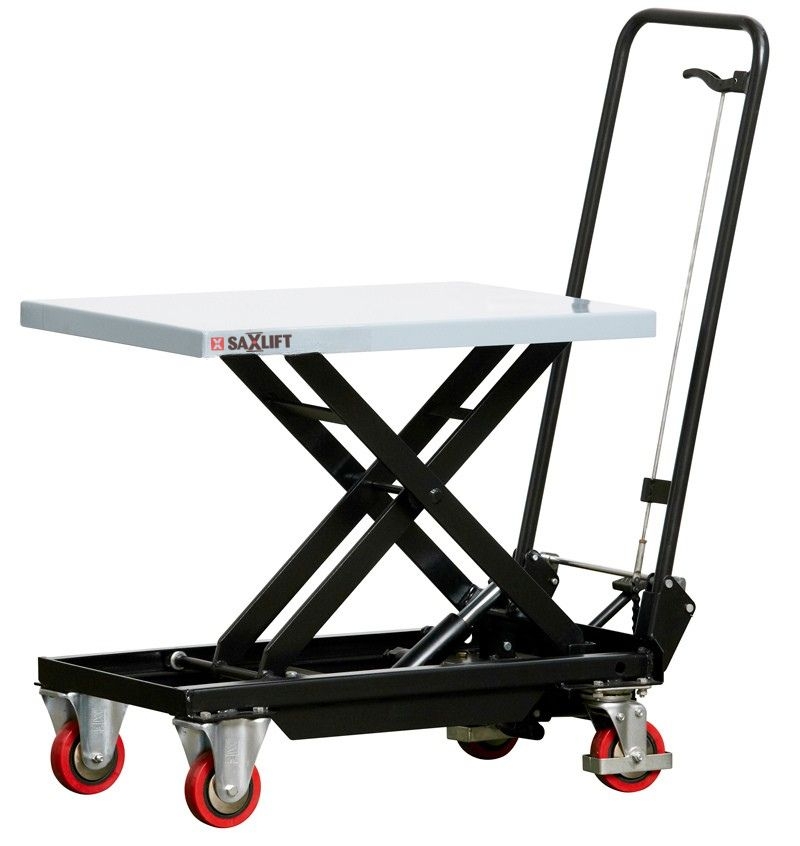
Despite a straightforward design, manual mobile scissor lift tables offer a range of significant benefits across multiple settings. These devices enhance safety and operational ease by reducing the need for manual lifting, thereby decreasing the risk of injuries connected to the handling of heavy or awkwardly shaped materials. Their manual hydraulic mechanism provides excellent precision, granting operators the ability to control the movement and positioning of goods for various tasks.
In both warehouses and factories, these lift tables contribute to the smooth and efficient transport and elevation of materials. The ergonomic design supports workplace ergonomics, as users can adjust the working height to reduce bending and repetitive stress. In turn, these tables improve overall workflow by enabling timely adjustments and quick handling, ultimately saving valuable time and raising productivity.
- Model: Lightweight Manual IZ100A — Capacity: 100 kg
- Model: Manual Mobile IZ150 — Capacity: 150 kg
- Model: Manual Mobile IZ250 — Capacity: 250 kg
How manual mobile scissor lifts improve workplace efficiency
Manual mobile scissor lifts are more than functional—they are powerful contributors to workplace efficiency. Mobile hydraulic systems incorporated in these lifts allow for effortless elevation of a wide range of loads, lowering physical strain for employees and promoting a safer working environment.
Their ergonomic construction allows materials to be raised to optimal working heights, minimizing the risk of bending-related injuries. With the ability to make rapid and precise height adjustments, manual mobile lift tables help streamline onboarding and dispatch processes and support more seamless operations from production environments to equipment storage. Manual mobile lift tables stand out as highly adaptable, serving industries as diverse as warehousing, logistics, and manufacturing. For industries seeking specialised handling, mobile scissor lift tables provide proven results for improving workflow.
By making the transportation of light and bulky items alike both quick and safe, these lifts empower facilities to function more efficiently and reliably, ultimately fostering a more productive environment for employees.
How to choose the right manual mobile lift table
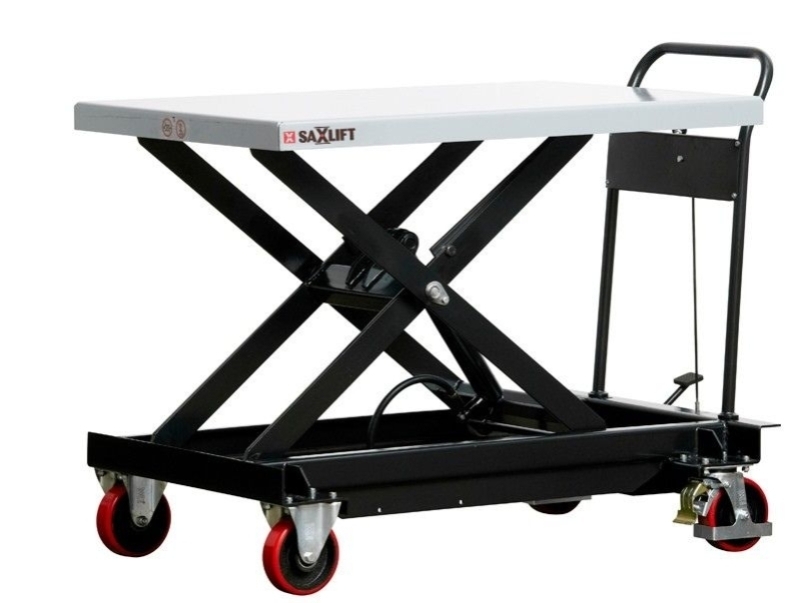
Selecting the right manual mobile lift table requires a thoughtful assessment of key performance factors relative to the intended use. Of primary importance is load capacity, which can range widely and must match the operational requirements—especially when moving or positioning heavier materials. Manual models typically suit lighter to medium loads, while capacities may extend up to 1000 kg for some applications.
Another consideration is the choice between a purely manual mobile lift table and one incorporating a mobile hydraulic system. This decision impacts ease of use, frequency of operation, and the level of control needed. Functionality and lifting heights should also be reviewed to ensure the chosen model supports operator safety and productivity across varying tasks. Evaluating intended use-cases, application frequency, and the typical size and weight of goods handled will ensure the most appropriate lift table is selected for long-lasting, efficient service.
Considerations for load capacity up to 1000 kg
Understanding load capacity is essential when choosing a manual mobile lift table for any application, particularly for those managing loads reaching up to 1000 kg. Professionals should carefully analyze operational requirements and refer to manufacturer guidelines for each model. Manual scissor lift tables are ideal for lighter to moderate loads—for example, the Manual Mobile Scissor Lift Table (IZ250) supports loads of up to 250 kg, making it an excellent fit for common lifting tasks.
Matching the maximum rated load of the chosen lift table with the tasks to be performed is fundamental to maintaining both safety and performance. Careful review of the frequency of use and the nature of items to be handled will ensure that both operational needs are met and the equipment remains durable and effective.
Comparing manual and mobile hydraulic scissor lift tables
Deciding between a manual and a mobile hydraulic scissor lift table depends on the specific operational requirements. Manual lift tables are appreciated for their straightforward design and ease of operation, particularly when handling smaller loads and moderate working heights. For instance, a Manual Mobile Scissor Lift Table (IZ150) comfortably elevates up to 150 kg and is suitable for applications where demanding lifting heights are not required.
In contrast, models built with a hydraulic system offer improved lifting capacity and greater ease of adjustment, qualities which are critical for more challenging industrial tasks. A hydraulic system supports higher loads and increased lift heights, as seen in certain models capable of supporting up to 150 kg with higher vertical reach. Reviewing the exact requirements of each operation, including frequency and intensity, will help in choosing the right balance between these options for any manual mobile lift table application.
Determining the ideal working heights for lift table applications
Choosing a manual mobile lift table with an ideal working height is essential for task efficiency and operator safety. The maximum required lifting height will depend on the nature of work performed. Some manual mobile lift tables, such as the Mobile Lift Table (IZD150), offer a maximum height of 1430 mm, making them suitable for applications where storage or stacking at higher levels is a frequent need. By contrast, the Lightweight Manual Mobile Lift Table (IZ100A) with a total height of 755 mm is designed for tasks requiring lower reach.
Aligning platform height capabilities with individual job requirements helps ensure that operators maintain ergonomic postures, increasing comfort and minimizing fatigue. Such attention to matching equipment with task-specific demands is crucial in reducing the risk of inefficiency or injury in the workplace.
Types of manual mobile scissor lift tables
The variety among manual mobile scissor lift tables is significant, with different types catering to an array of handling needs. Manual scissor lift tables are a popular choice for their simplicity, reliability, and ease of operation. Additionally, specialty models, including stainless steel mobile scissor lifts and double scissor lifts, are available for particular industry requirements. To explore options for specific capacities and applications, see the selection of single scissor lift tables tailored for professional workplaces.
Features of manual mobile scissor lift tables
Manual mobile scissor lift tables are central to materials handling in many industries due to their versatility and practicality. Each model is intended to enhance both efficiency and workplace safety, providing a straightforward way to move heavy loads between workstations. Utilization of a hydraulic mechanism supports smooth adjustments in height and versatile operational control, while the mobile design allows easy maneuverability in restricted spaces. These lift tables excel where powered alternatives are neither feasible nor required, making them practical and cost-effective choices for various work situations.
- Height adjustments accommodate a range of tasks and user preferences
- Capacities vary, generally from 100 kg up to 300 kg
- Compact and maneuverable, suitable for narrow aisles or confined areas
- Offer a cost-effective alternative to powered lift tables for moderate lifting needs
Manual mobile lift tables are staples in sectors such as manufacturing, warehousing, and retail, supporting daily operations and contributing to safer, more productive workflows.
Benefits of stainless steel manual mobile scissor lifts
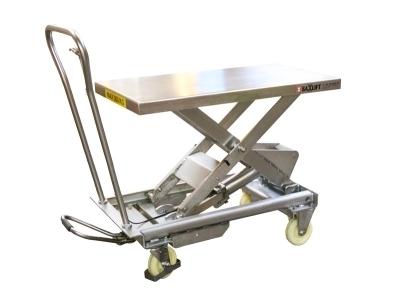
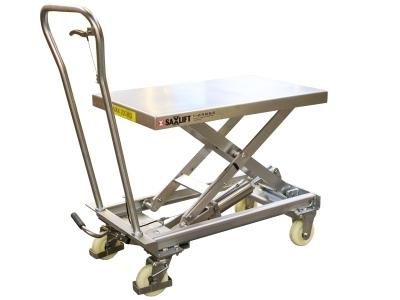
Stainless steel manual mobile scissor lifts offer a valuable solution for industries that demand exceptional durability and resistance to challenging environments. These tables excel in settings where exposure to moisture, chemicals, or high hygiene standards is prevalent—such as in food processing, pharmaceutical production, and cleanroom operations. The non-reactive nature of stainless steel ensures the lift table remains reliable in the face of corrosion and frequent cleaning routines.
With the same advantages as other manual mobile lift tables, stainless steel models deliver efficient lifting, great mobility, and outstanding load-handling capacity. For applications requiring strict cleanliness and durability, stainless steel mobile lift tables represent an optimal choice, delivering consistent performance with minimal maintenance needs.
Understanding double scissor lift tables and their uses
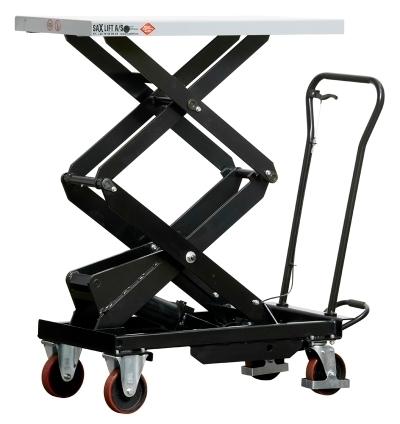
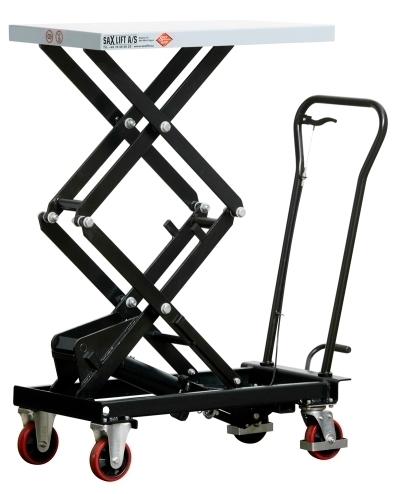
Double scissor lift tables offer a unique solution when additional height and reach are top priorities during materials handling. These lift tables utilize two stacked sets of scissor mechanisms to deliver superior vertical travel compared to standard lift tables. This design is ideal for tasks that require workers to reach higher work areas or transport items to elevated platforms, all while maintaining safe load handling.
Double scissor lifts maintain stability during extension, ensuring safe operation for heavier loads as well. Their compact footprint, despite higher reach, allows continued use in environments with restricted movement space. From warehousing to specialized industrial settings, these lift tables are valued for their blend of height capability and overall efficiency.
Use of manual mobile lift tables in different environments
Manual mobile lift tables serve a wide spectrum of industries, adapting to a range of operational requirements. In warehouses and workshops, their main role is to facilitate quick, ergonomic, and safe handling of materials, reducing the frequency of manual lifting and repetitive movements. The mobile aspect allows for easy transport of goods within expansive storage or production facilities.
Retail businesses benefit from the ability to efficiently stock, retrieve, or relocate items within shops and storerooms, while the compact size of many manual mobile lift tables ensures they do not obstruct workflow in tight aisles. In addition to storage and logistics, these tables also aid in maintenance tasks by providing stable elevated platforms for technicians in workshops and repair operations.
Industry applications for manual mobile lift tables
Although commonly seen in warehouses and workshops, manual mobile lift tables are utilized in many other environments. Their design enhances efficiency and safety when moving equipment in healthcare settings, assisting with patient handling or transportation of medical devices. In retail, they support efficient shelf stocking and display rearrangement.
Manufacturing operations value the lift table’s work-height adjustability for ergonomic assembly or packaging lines, while laboratories employ them to move delicate materials safely. In logistics, event management, and hospitality industries, these tables play critical roles in back-of-house tasks such as setting up stages or repositioning heavy components.