

-18%
Mobile Lift Tables
22 products
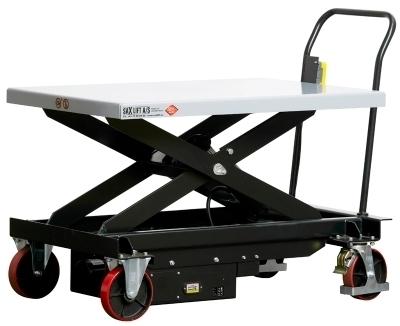
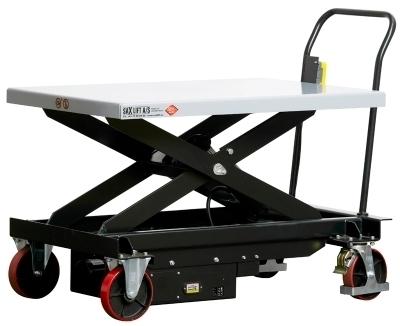
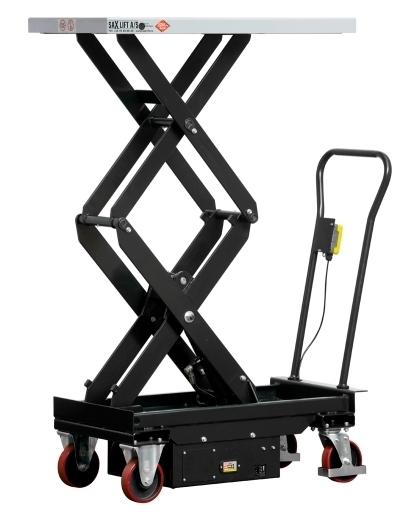
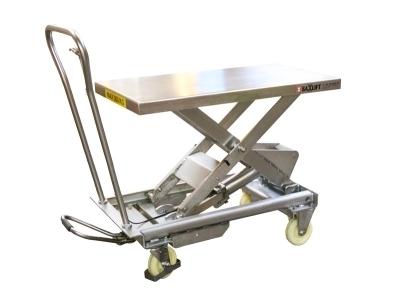
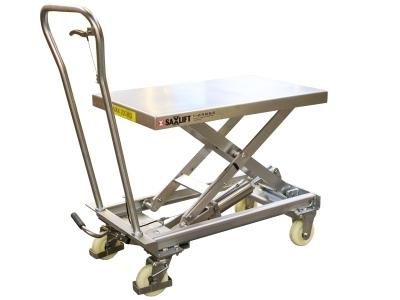
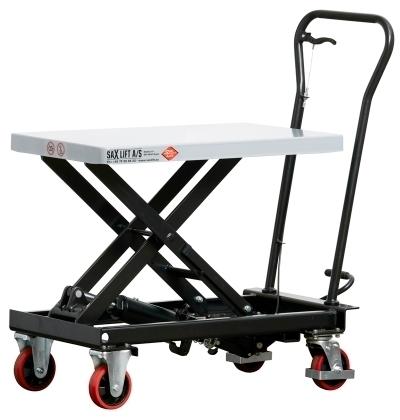
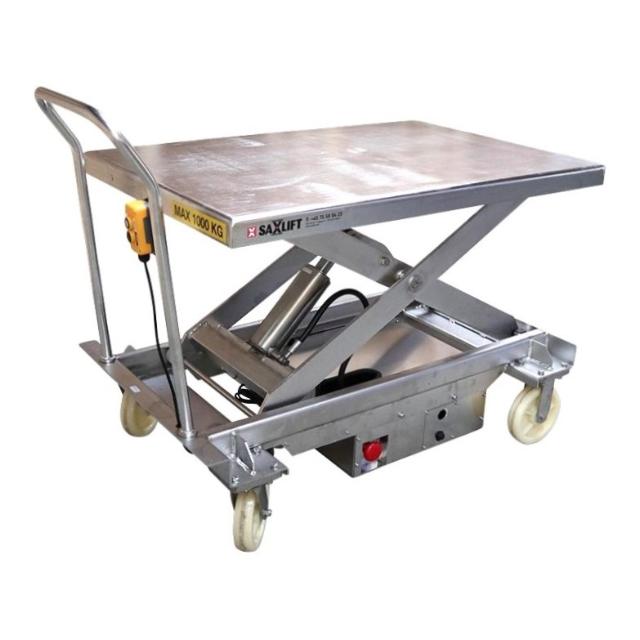
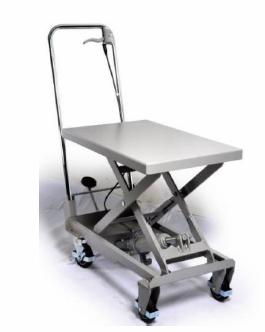
22 out of 22 products
Mobile Lift Table Options in Ireland
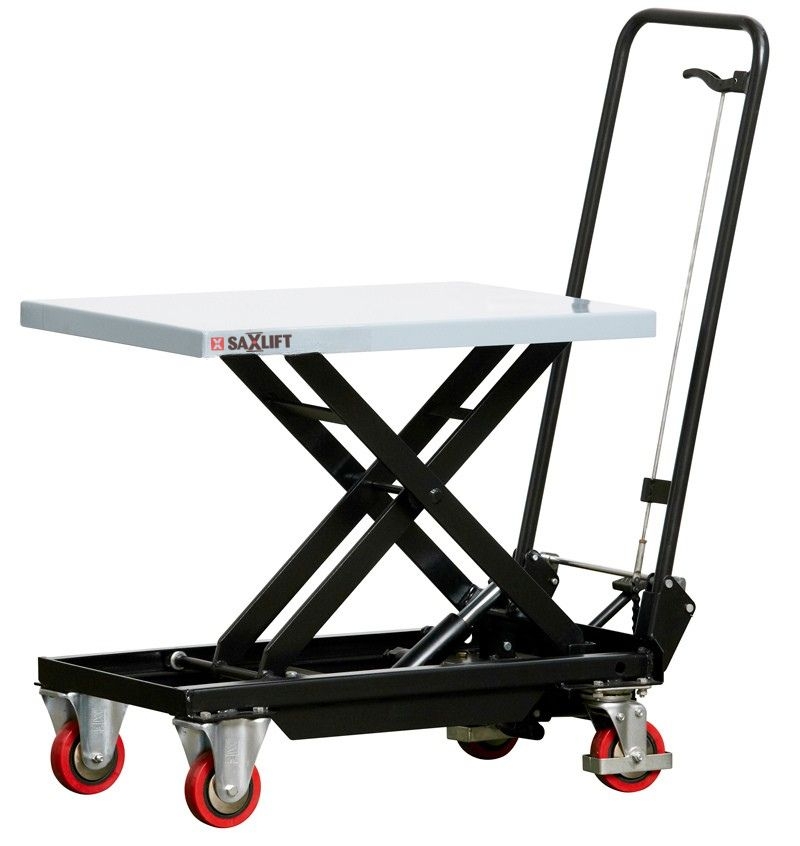
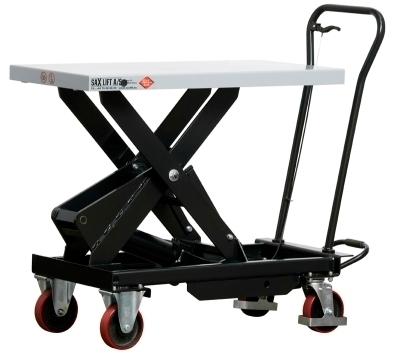
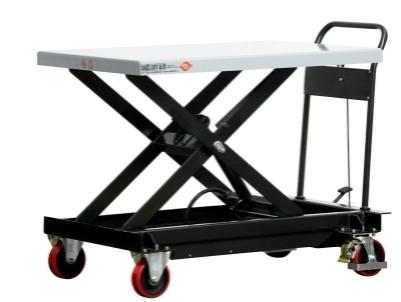
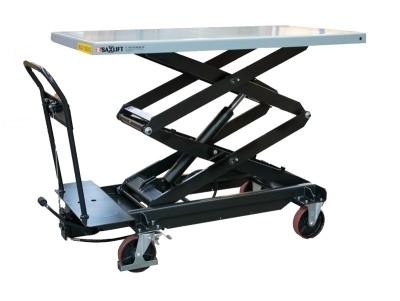
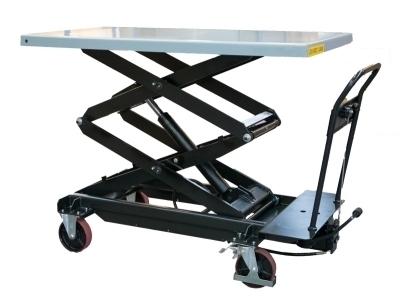
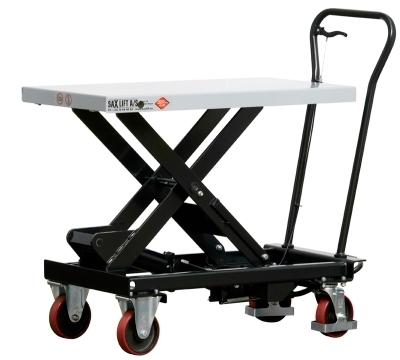
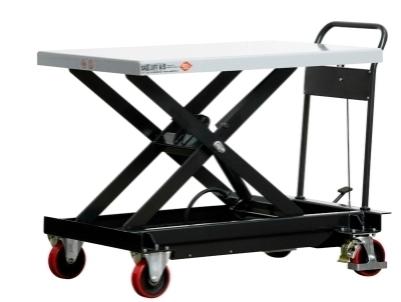
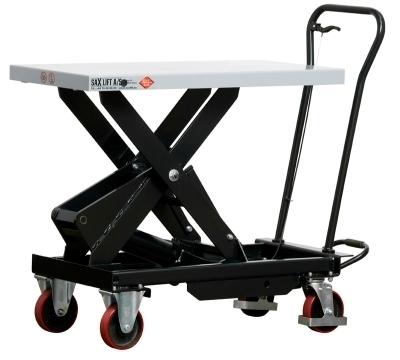
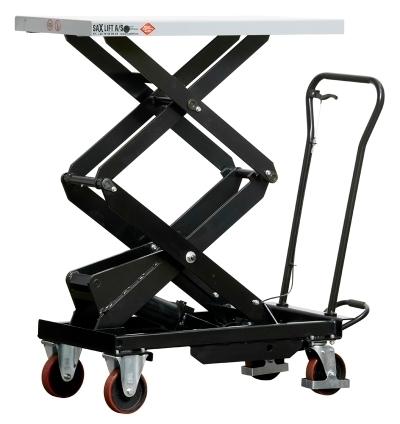
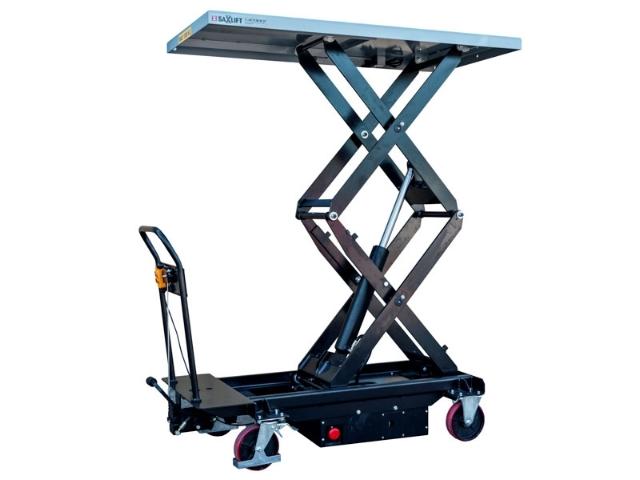
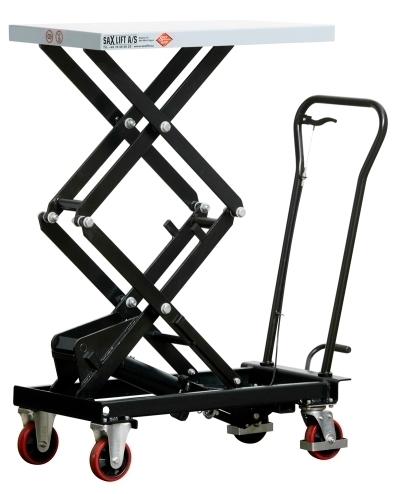
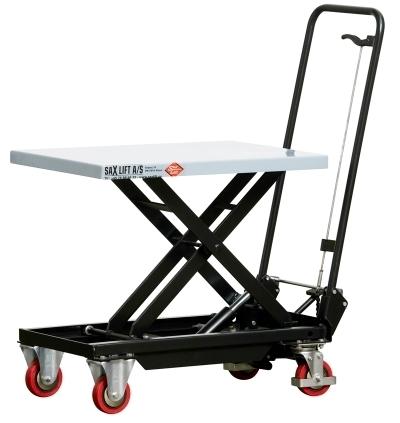
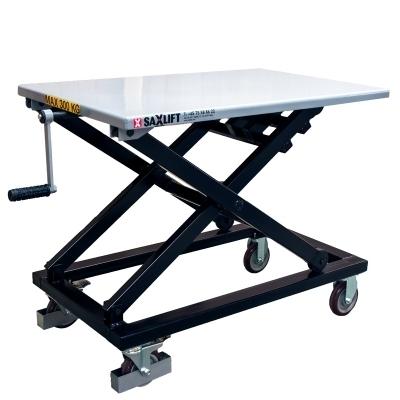
Mobile lift tables are becoming increasingly popular in Ireland due to their adaptability in both industrial and commercial environments. Key examples include models such as the Lightweight Manual Mobile Lift Table (IZ100A) and the Manual Mobile Scissor Lift Table (IZ150), both of which provide smooth height adjustment and easy manoeuvrability for various mobile lift applications. These mobile lift tables, equipped with a hydraulic system or designed as manual scissor lift tables, are integral for tasks that demand repetitive lifting and positioning, as they significantly reduce strain for operators. Hydraulic lift trolleys are also widely used, with models like the Mobile Lift Table (IZD150) offering increased lifting capacity suitable for handling heavier loads. Across Ireland, businesses value these mobile lift solutions for optimizing workflow, whether in warehouses or retail spaces. With numerous models available, it becomes possible for companies to select the most suitable mobile lift table to improve both safety and productivity in their daily operations. To explore a comprehensive selection and technical specifications, visit the mobile lift tables overview.
What is a Scissor Lift Table
A scissor lift table is a mechanical device engineered to raise and lower platforms using a crisscrossed set of supports known as scissor arms. This mechanism operates through either hydraulic or manual lifting systems, providing stability and control. Scissor lift tables are valued for their versatility, allowing them to serve as both mobile and static lift solutions in industrial and commercial settings. Their design ensures optimal safety during use, making them an indispensable tool in numerous applications where controlled lifting is essential.
Understanding the mechanism, advantages, and use cases of scissor lift tables is fundamental for any business aiming to enhance ergonomics and efficiency in material handling processes. Selecting the proper lift table ensures that tasks involving lifting, holding, or transporting items can be completed safely and comfortably, reducing the potential for workplace injury. A full range of single scissor lift tables is available to meet various needs in different settings.
How Does a Mobile Scissor Lift Table Work
Scissor lift tables are essential equipment in material handling, functioning based on a robust yet straightforward mechanism. They consist of scissor-like arms that support the main platform. When force is applied, either by manual means such as a foot pedal or with a hydraulic pump, these arms expand, raising the platform vertically. Hydraulic lift tables utilize a pump to manage hydraulic fluid, providing precise and smooth lifting. In contrast, manual scissor lift tables rely on user input for elevation, which is suitable for lighter loads and simpler tasks. Many mobile lift tables are fitted with castors, supporting easy movement throughout the workplace. The stability, control, and adaptability of scissor lift tables make them invaluable for modern industrial operations.
Advantages of Using a Mobile Lift Table
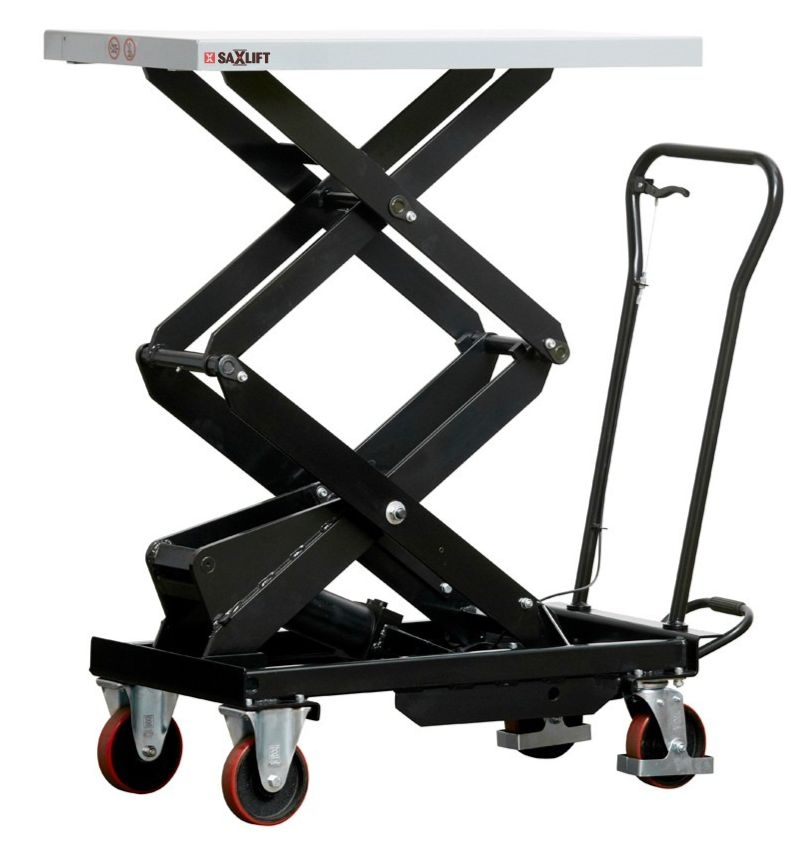
Utilizing a mobile lift table provides numerous benefits in environments where flexible and efficient material handling is critical. The mobility of these tables means they can be deployed wherever a lifting task is required, supporting dynamic workflows in warehouses, workshops, and logistics operations. Hydraulic systems, commonly featured in many mobile lift table models, allow for effortless elevation, reducing the physical load on employees and minimizing the risk of injuries. The compact footprint of mobile lift tables also makes them especially suitable for settings with space constraints. Adjustable height and precise control over the lifting platform help make handling materials at ideal working positions straightforward, bolstering both safety and ergonomic value. The integration of these features within a mobile lift table ensures that users can optimally manage a range of loads and tasks.
Applications of Scissor Lift Tables Across Industries
Mobile lift tables have become an essential component in numerous industry sectors due to their versatility and robust performance. In manufacturing and logistics, they are vital for efficiently elevating and positioning heavy parts or products, facilitating assembly lines and loading docks. Warehouses benefit from their use in order picking and pallet handling. In retail, mobile lift tables are used to handle inventory for shelving and display adjustments, supporting safe and easy access to higher storage. Construction sites employ them for effective lifting and movement of materials to elevated areas, while in healthcare, scissor lift tables improve the handling of medical equipment and support safer patient transfers. The mobile scissor lift table’s ability to be positioned wherever required enables seamless integration into various operational setups, marking them as a key element in material handling equipment across Ireland and beyond. For more details on different models and industry solutions, browse the main lift table catalogue.
How to Choose the Right Mobile Lift Table
Selecting the correct mobile lift table involves careful consideration of several important features, including lifting capacity, platform size, and the table’s maximum height. It is essential to evaluate whether a manual or hydraulic lift mechanism is the best fit for the workplace. Manual lift tables, like the Manual Mobile Scissor Lift Table (IZ150), are suitable for environments where lifting needs are less intense or where access to electricity is limited. Hydraulic mobile lift tables, on the other hand, offer smoother, more efficient lifting suitable for handling frequent loads or heavier items.
Additionally, the construction quality, use of durable materials, and the presence of easily manoeuvrable castors are important attributes that contribute to the mobile lift table’s reliability and longevity. The intended application—such as frequent repositioning in a busy warehouse versus static use in production—should also influence the selection. Ultimately, matching the features of the mobile lift table to operational requirements guarantees an optimal fit and supports the smooth functioning of daily tasks.
Key Features in a Mobile Lift Table
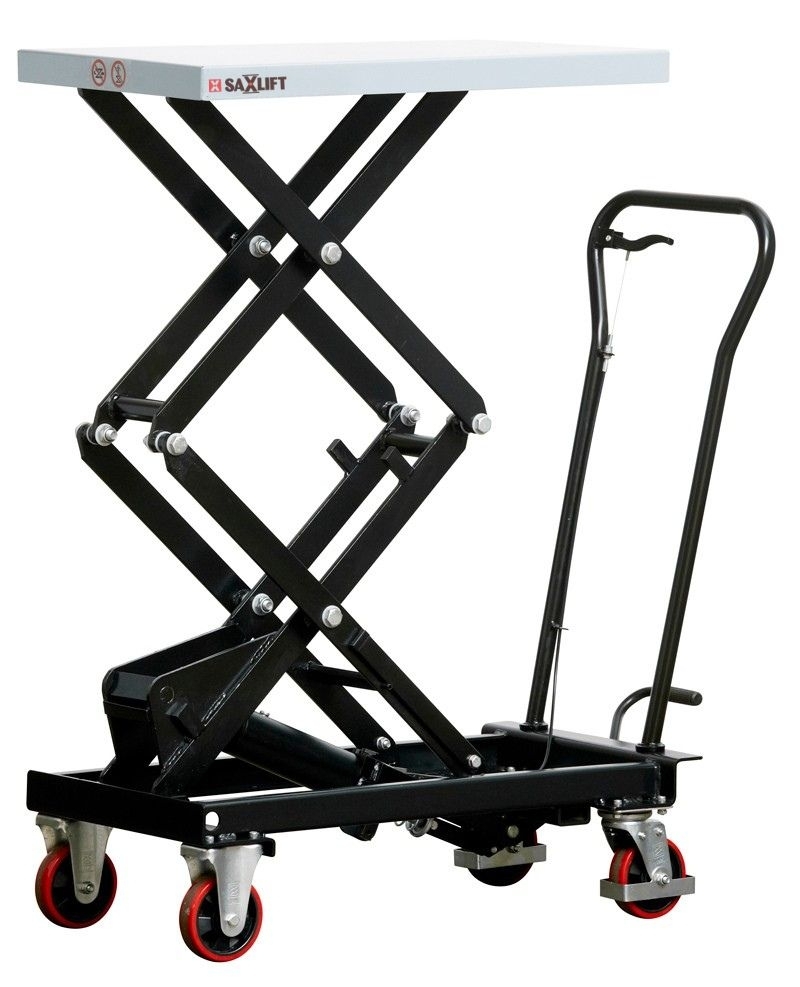
Several fundamental features should be considered when choosing a lift table tailored to specific mobile lift needs. Lifting capacity is paramount; for example, a model like the IZ250 can accommodate weights up to 250 kg, catering to more demanding lifting requirements. The maximum travel height and platform size—such as those available in the IZD150—determine the versatility and suitability for various operational tasks. Durability and resistance to wear are crucial, especially in harsh environments, so evaluating the quality of materials used in the lift table is necessary. Easy mobility, enabled by robust castors and a stable chassis, allows for practical integration across different workplace areas. A mobile lift table’s design must strike a balance between portability, load-bearing ability, and user safety to be genuinely effective in real-world conditions.
Manual Versus Electric Scissor Lift Tables
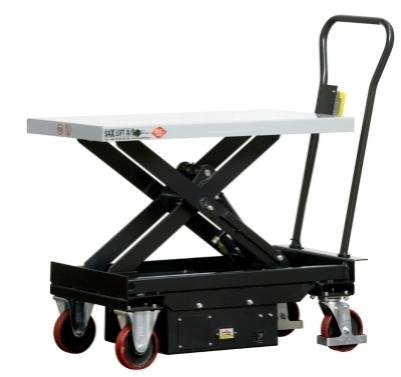
Understanding the difference between manual and electric scissor lift tables is critical when selecting the ideal mobile lift table for a facility. Manual mobile lift tables rely on hydraulic pressure generated by manual force, such as a foot pedal, to raise and lower loads. This type of lift table is often prioritized in scenarios involving lighter weights and where a simple, cost-effective mobile lift is sufficient. Electric scissor lift tables, however, utilize electric motors to operate the hydraulic mechanism, eliminating manual labour and considerably speeding up lifting operations. These electric models are suited to applications that entail frequent use or the movement of heavier loads. Choosing between manual and electric variations largely depends on the scale of material handling needs and the frequency of lifting tasks. Each model is engineered for different operational contexts, ensuring that users can select a mobile lift table that aligns with their specific use case. For additional insights and model differences, see the specialist resource on hydraulic lift tables.
Selecting the Most Suitable Hydraulic Lift Table
Deciding on the ideal hydraulic lift table involves evaluating compatibility with intended operational workloads, travel distances, and physical environments. The lifting capacity should always be matched to the heaviest loads anticipated, ensuring reliable and safe performance. The hydraulic lift’s travel distance, or total lift height, must also fall in line with application demands. Construction materials and build quality affect durability, particularly under continuous use or exposure to demanding industrial conditions. While cost is a factor, it is essential to balance expenditure with the mobile lift table’s longevity and performance features.
- Capacity: Ensure the lift table matches the operational load requirements.
- Travel Height: Confirm that the maximum raised height fulfils necessary tasks.
- Material Quality: Select mobile lift tables featuring robust construction for lasting reliability.
- Feature Considerations: Factor in elements like mobility, additional safety mechanisms, and platform size.
Advantages of Low Profile Lift Tables
Low profile lift tables offer specific advantages compared to standard lift tables, especially in areas where clearance is limited or tasks require minimal lifting heights. Their design, which includes a reduced closed height, means that loading and unloading processes can be completed more efficiently without the need for extensive ramping or supplementary loading equipment. Such features make low profile lift tables ideal for environments prioritizing space conservation and streamlined workflows, including workshops and compact warehouses. A variety of low profile scissor lift tables can serve these specialized spaces and tasks particularly well.
Use Cases for Low Profile Lift Tables
Low profile lift tables are widely utilized in various industries where both space-efficient lifting and ergonomic handling are essential. Their integration with mobile lift solutions and static scissor lift tables allows for efficient movement and elevation of materials such as pallets and components. In manufacturing, low profile models streamline the handling of heavy parts without bulky additional machinery. Warehouses benefit from improved storage optimization by incorporating these tables into their operational processes. Retail spaces use low profile lift tables for discreet and effective inventory redistribution, and automotive workshops employ them for precise placement of parts and tools. These diverse applications underscore the practical value of low profile lift tables in space-constrained settings and highlight their role in making material handling safer and more efficient.
Utilizing a Low Profile Lift Table in the Warehouse
Employing a low profile lift table in a warehouse environment enables significant improvements in operational flow and safety. These mobile lift tables, which are often paired with a trolley for increased manoeuvrability, allow for quick and effortless lifting tasks. For instance, models like the Manual Mobile Scissor Lift Table (IZ150), with a lifting capacity of 150 kg and a closed height of 265 mm, are particularly beneficial for maximizing efficiency in tight spaces. Such low profile lift tables help minimize manual handling, thereby reducing the risk of workplace injuries. The compact format ensures that they complement existing warehouse workflows, assisting with material loading, inventory sorting, and general lifting duties.