
Galvanised scissor lift tables

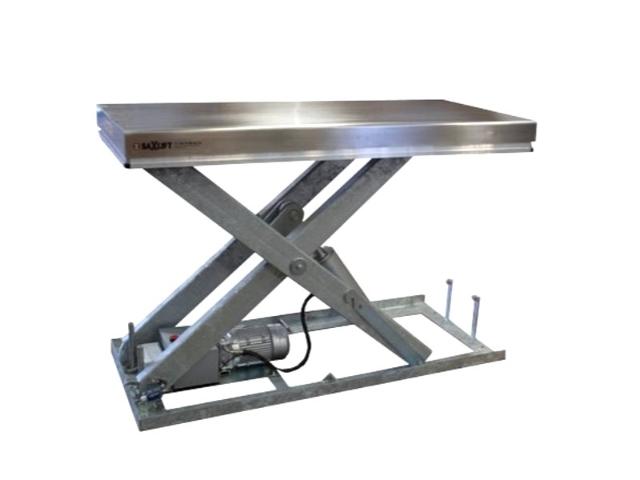
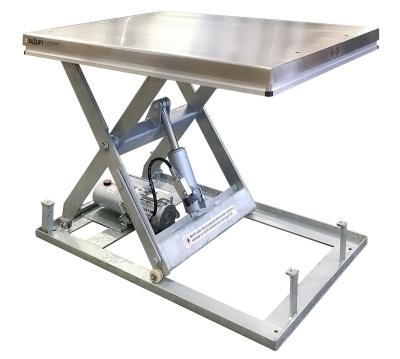
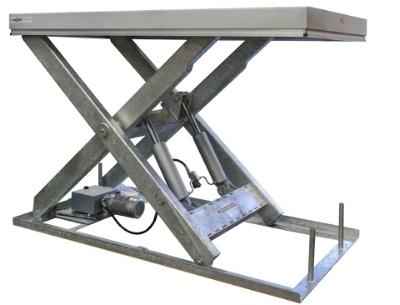
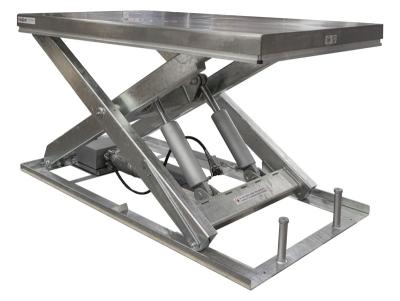
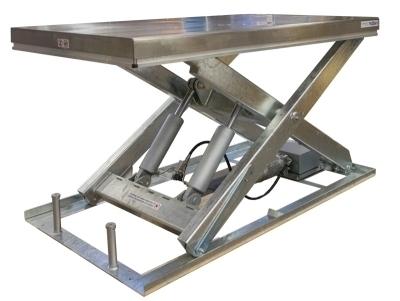
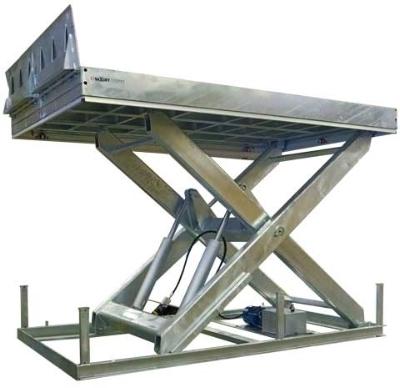
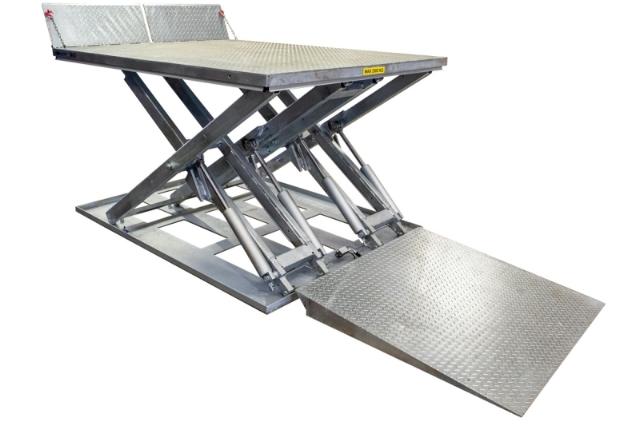
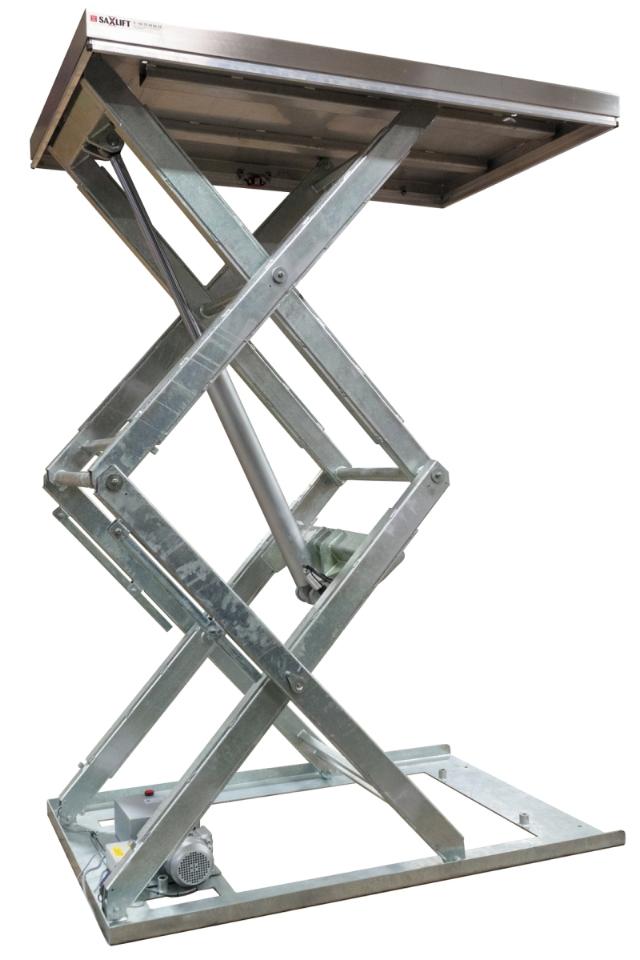
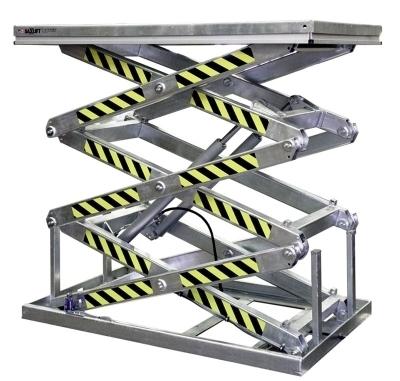
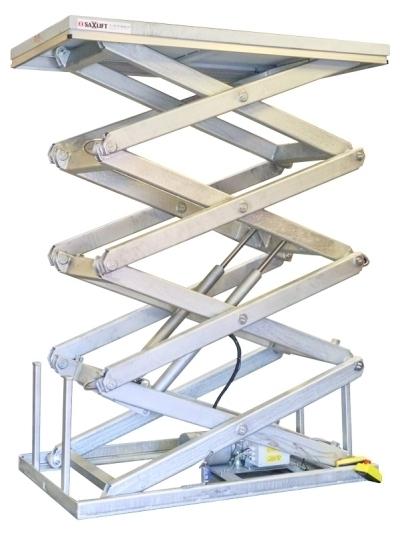
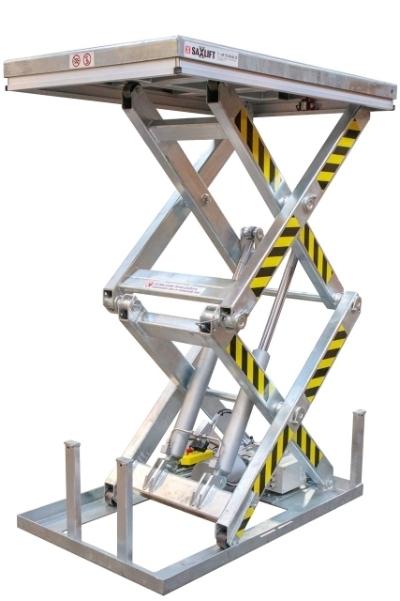
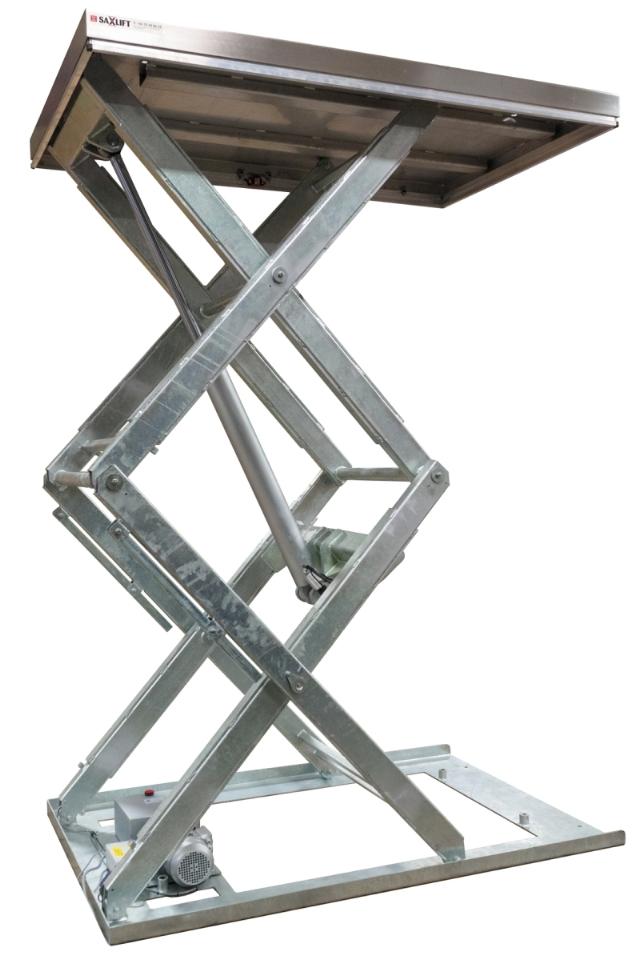
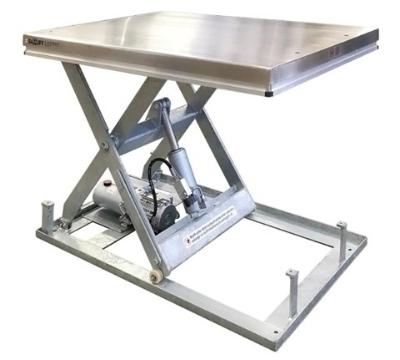

What are the Key Features of a Galvanised Scissor Lift Table?
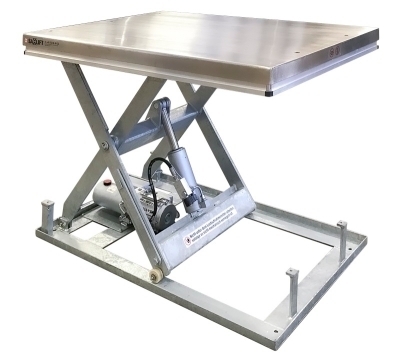
When investigating material handling solutions for challenging environments, you might be wondering, what sets a galvanized scissor lift table apart from standard painted models? The answer lies in the specialized engineering and chemical treatment that these units undergo. It is all about their key features, designed specifically to bridge the gap between standard industrial equipment and the harsh realities of outdoor or corrosive workspaces.
From the long-term corrosion protection provided by hot-dip galvanisation, which is ideal for outdoors and other demanding environments with high moisture levels, to the specific height and load capacities, down to the built-in safety features—each detail contributes to their superior performance and durability. A galvanized scissor lift table is not merely a lifting tool; it is a long-term investment in operational resilience.
Material and Coating: Why Galvanisation Matters
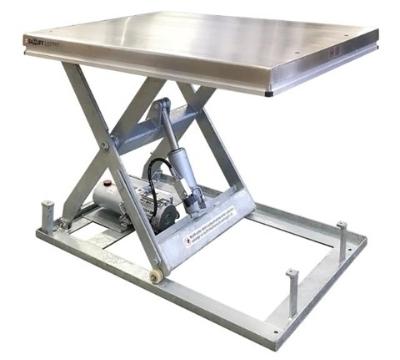
While considering a scissor lift table for your needs, it is crucial to understand why material and coating matter, particularly the role of galvanisation. Standard industrial paint or powder coating sits on top of the steel. If that layer is scratched—which happens frequently in heavy-duty loading environments—moisture gets in, rust spreads underneath the paint, and structural integrity is eventually compromised. A galvanized scissor lift table provides robust corrosion protection that functions on a molecular level, making it suitable for outdoor use and wet industries.
This protection is achieved through a process called hot-dip galvanising. In this process, the steel components of the lift table are chemically cleaned and then immersed in a bath of molten zinc at temperatures around 450 degrees Celsius. The result is a metallurgical bond between the zinc and the steel, creating a series of zinc-iron alloy layers topped with pure zinc. This lift table is coated in a layer of zinc that offers both barrier protection and cathodic protection.
This not only protects the table from the elements but also extends its lifespan significantly compared to painted alternatives. The zinc acts as a sacrificial anode; if the coating is scratched, the surrounding zinc will corrode in preference to the steel, effectively "healing" the wound. This is particularly important if you are loading lift tables in demanding environments where impacts, scrapes, and exposure to water or chemicals are daily occurrences.
Height and Load Capacity Specifications
In addition to the advantages of galvanization discussed earlier, the key features of a galvanized scissor lift table extend to its height and load capacity specifications. These units are engineered to be as versatile mechanically as they are durable chemically. A galvanized scissor lift table is robust and designed to cater to your varying needs, ranging from small logistical tasks to heavy machinery handling.
It comes with different height and load capacity options, making it suitable for both indoor and outdoor use. Depending on the specific model and configuration, you can find tables designed for varying operational scales.
- Maximum Height: Some models can reach heights up to 5100 mm (and higher with customized multi-scissor stacks), allowing for service to high-level mezzanines or maintenance access.
- Load Capacity: Ranging from light-duty 500 kg units up to heavy-duty versions handling up to 5000 kg or more.
The height feature enables you to reach elevated areas with ease, while the load capacity feature lets you lift heavy objects without any difficulty. Consequently, your choice should be based on your requirements and the task at hand. Remember, a well-chosen scissor lift table increases efficiency and productivity by matching the exact ergonomic and logistical needs of your facility.
Safety Features of Galvanised Scissor Lift Tables
When it comes to operating heavy machinery, safety can't be overstated. Galvanised scissor lift tables are designed with high-quality safety features that meet or exceed European standard EN 1570-1. The capacity of these tables varies, enabling safe loading and lifting of different weights, but the safety mechanisms remain consistent and rigorous.
Their design incorporates a hot-dip galvanization process that offers superior corrosion protection, making these tables ideal for outdoor use and damp environments. However, safety goes beyond just structural integrity. It involves active protection for the operator and the load.
Safety is prioritized through features such as:
- Anti-Entrapment Bars: A safety trip bar (or safety edge) is located underneath the platform perimeter. If the lowering platform encounters an obstruction, the lift stops immediately to prevent crushing injuries.
- Hose Burst Valves: In the unlikely event of a hydraulic hose failure, these valves prevent the table from free-falling, locking it in place.
- Maintenance Props: Mechanical locks that allow service personnel to work safely under the raised table during maintenance.
- IP54 Rated Components: Electrical systems, including the motor and control box, are rated for demanding environments, protecting against dust ingress and water splashing.
- Strict Quality Control: Each lift table undergoes rigorous testing before shipment.
Additionally, customization options allow you to tailor the tables to your specific needs, ensuring safer and more efficient operations, such as adding non-slip tear plate surfaces or handrails for personnel safety.
How to Choose the Right Scissor Lift Table for Your Needs?
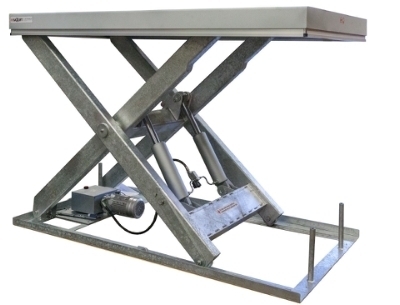
Choosing the right scissor lift table for your needs hinges on several factors that go beyond simple dimensions. It involves analyzing your workflow, the environment, and the nature of the goods being handled. You will need to evaluate lift height and capacity, the best platform size for your operations, and whether a single or double scissor lift table is a better fit for the vertical travel required.
Let's explore these elements to guarantee you make an informed decision that maximizes ROI and operational safety.
Factors to Consider: Lift Height and Capacity
Before diving into the selection process, you need to understand the significance of two fundamental factors: lift height and capacity. These are the primary constraints that dictate which model can physically perform the job.
Lift Height: This is how high the scissor lift table can raise its platform. It is imperative to take this factor into account because it determines the range of tasks you can perform. You must calculate the "stroke" (the difference between the closed height and maximum height) to ensure it aligns with your loading dock, mezzanine, or ergonomic working height. If you need to reach significant heights but have limited floor space, you may need a double or triple vertical scissor mechanism.
Capacity: This refers to the payload, or the maximum weight the table can carry. You must choose a table that can handle your heaviest load. However, you must also consider load distribution. Is the load evenly distributed, or is it a point load? A galvanized scissor lift table rated for 2000 kg distributed load might not handle a 2000 kg point load on one corner. Always factor in a safety margin.
Outdoor Use: If you are using the table outdoors, opt for hot-dip galvanization. It provides superior corrosion protection, which is essential in outdoor environments where rain, dew, and temperature fluctuations accelerate rust on standard steel.
Corrosion Protection: Hot-dip galvanization is also important indoors, especially in damp rooms, wash-down areas in food processing, or chemical plants. It guarantees your table stands the test of time where paint would peel and flake, potentially contaminating goods.
Determining the Best Platform Size
Now that you have considered lift height, capacity, and the importance of corrosion protection, it is time to think about platform size. The platform must be large enough to accommodate your load safely without overhangs that could cause instability, yet small enough to fit within your available floor space or pit.
It is essential, especially if you are often loading and unloading bulky items or pallets of varying dimensions. Consider a stainless steel platform for heavy-duty use in hygiene-critical areas like pharmaceuticals, but remember, they can be pricey. A cost-effective alternative is hot-dip galvanization, which offers robust protection, making it ideal for outdoor use and general industry.
Don't forget to check if your chosen lift table has customizable options. You might need a specific platform size that isn't available off-the-shelf. With customization, you can guarantee your lift table perfectly suits your needs, providing efficiency and safety in your operations. Common customizations include turntables integrated into the platform, tilting mechanisms, or extended lengths for handling long materials like lumber or piping.
Make the right choice and your lift table will be a reliable workhorse for years. Failure to size the platform correctly can lead to dangerous loading scenarios or the inability to handle specific cargo types.
Can You Use a Galvanised Scissor Lift Table Outdoors?
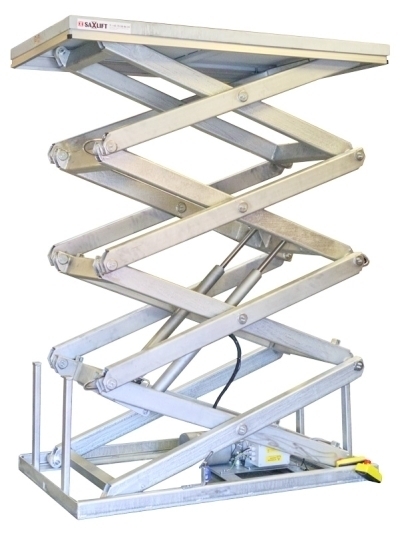
Can you use a galvanised scissor lift table outdoors? Absolutely! In fact, this is exactly the environment where they outperform almost every other option. Standard painted lifts will begin to rust within weeks if left exposed to the elements, leading to seized joints, electrical failures, and structural weakness.
Let's see the advantages of outdoor use, key considerations when operating in open environments and essential features to look for when choosing a lift table for outdoor use.
What are the Industrial Applications of Scissor Lift Tables?
You might wonder where scissor lift tables really shine in the industrial world. Their utility goes far beyond simple lifting; they are integral components of modern logistics and ergonomics.
They are instrumental in streamlining loading and unloading processes in warehousing, not to mention their essential role in manufacturing and assembly lines. Furthermore, their adaptability to various industrial environments makes them a versatile tool in any workspace, specifically where hygiene, moisture, or chemical exposure makes standard steel equipment obsolete.
Adaptability to Various Industrial Environments
While the manufacturing and assembly lines greatly benefit from galvanised scissor lift tables, their use extends to a wide array of industrial environments. These versatile tools are adaptable to various conditions, making them integral to several industries where standard equipment fails.
Warehousing and Logistics: They are pivotal in loading and unloading goods, enhancing efficiency and safety, particularly in outdoor loading bays lacking shelter.
Pharmaceutical and Chemical Industry: Used in cleanroom environments or mixing areas for lifting heavy containers or equipment. While stainless steel is often used here, a galvanized scissor lift table offers a more cost-effective solution that still provides excellent resistance to many chemical spills and allows for rigorous cleaning protocols without compromising hygiene standards (depending on the specific hygiene class required).
Construction and Architecture: They aid in reaching high areas, making tasks like painting, facade work, or installing wires easier and safer. The rugged nature of a galvanized finish means it can withstand the scratches and impacts common on construction sites without immediately degrading into a rust problem.
Automotive and Garage Services: They are used for vehicle assembly and maintenance, considerably reducing the risk of injuries. In car wash facilities or detailing shops where water is constantly present, a galvanized lift is the only logical choice to prevent rapid structural decay.
Marine and Offshore: On ships, oil rigs, or coastal facilities, the salt spray is incredibly corrosive. A standard painted lift would fail quickly. A galvanized scissor lift table provides the necessary resistance to salt corrosion, ensuring reliability in some of the toughest environments on earth.
Waste Management: In recycling centers and waste processing plants, equipment is exposed to a variety of corrosive fluids and organic matter. Galvanized lifts can withstand this harsh environment, allowing for the lifting of bins and bales reliably over long periods.
Thanks to their robust design and adaptability, galvanized scissor lift tables streamline operations across numerous industries, proving to be a worthwhile investment. By choosing this material finish, businesses ensure that their lifting equipment remains an asset rather than becoming a rusty liability.