
Tandem scissor lift tables

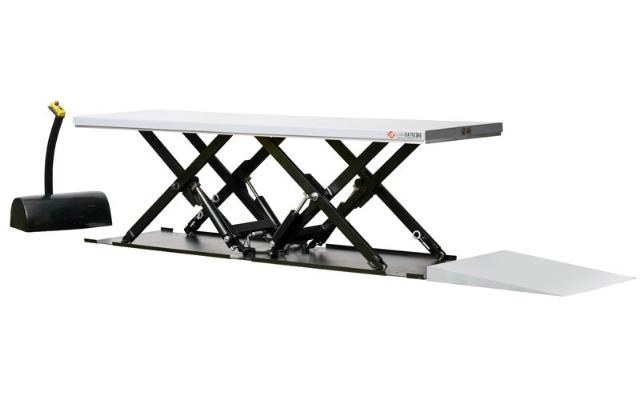
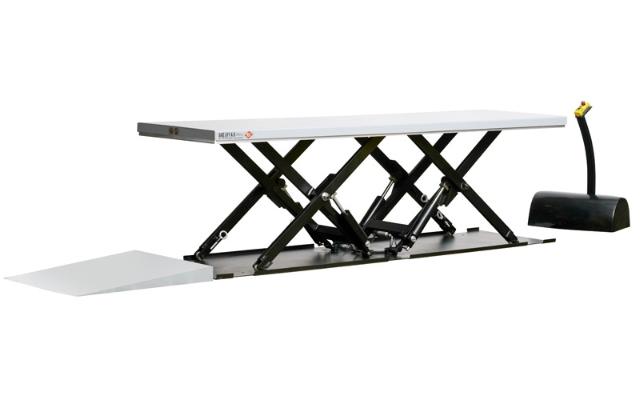
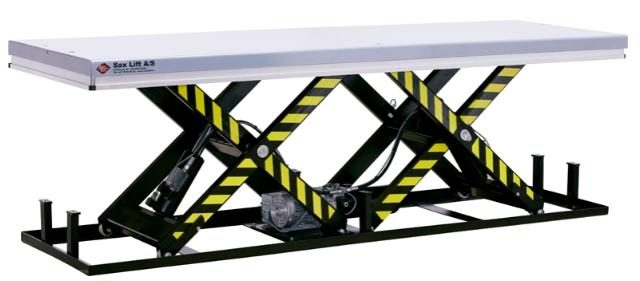
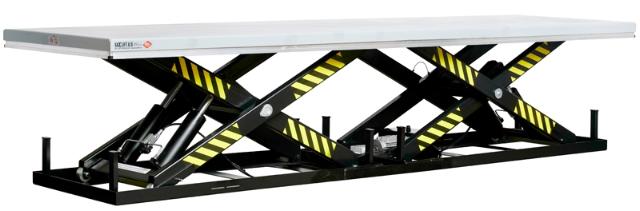
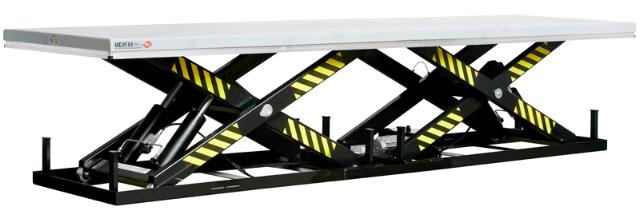
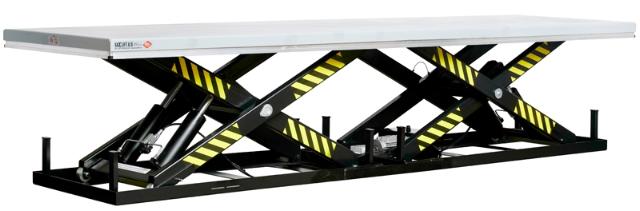
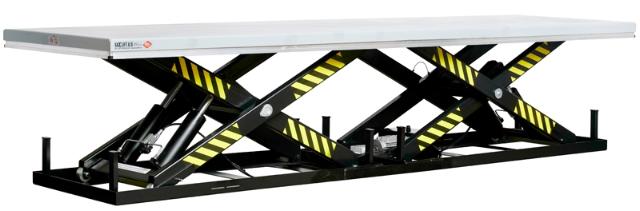
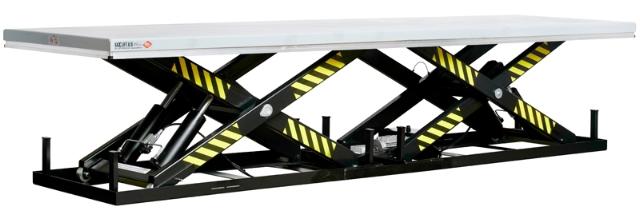
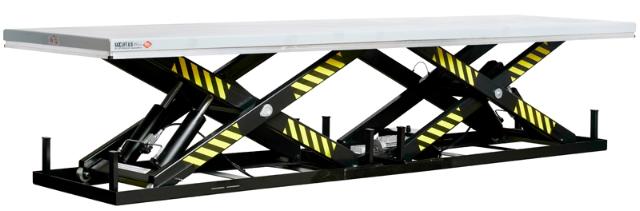
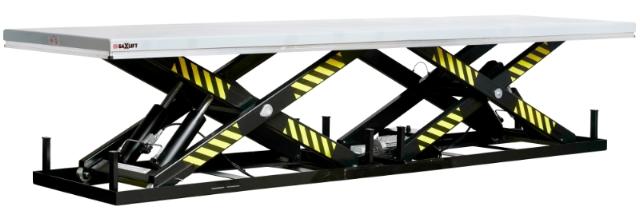
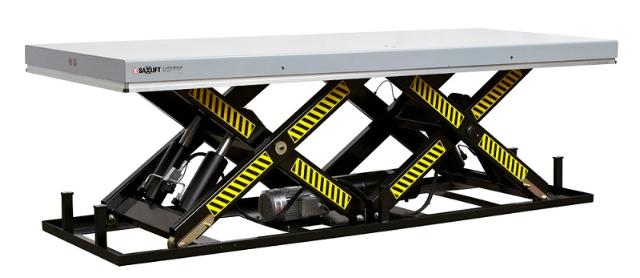
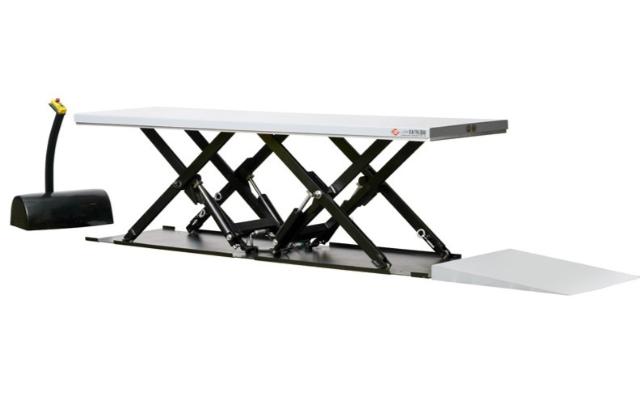
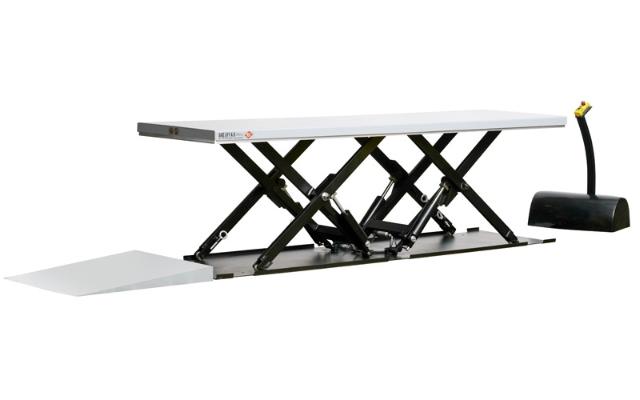
Tandem Scissor Lift Table for Heavy-Duty Lifting
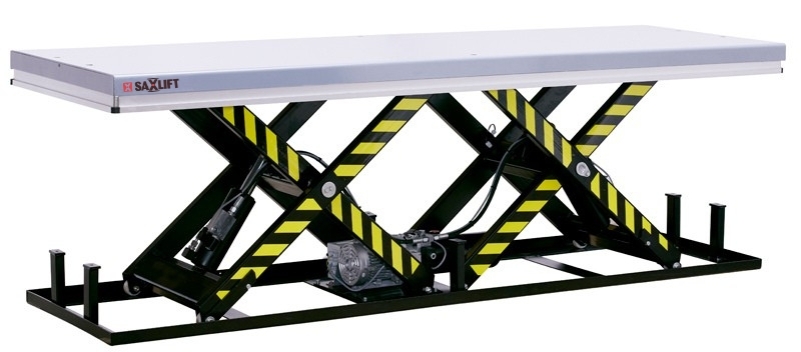
Tandem Scissor Lift Table can execute heavy-duty tasks within your industrial workspace, the requirement for equipment that is both highly efficient and supremely safe is non-negotiable. Enter the Tandem Scissor Lift Table from Sax Lift, exemplified by models such as the ILH1500X. This heavy-duty marvel is engineered to lift loads up to a whopping 8,000 kg, and it is meticulously designed with the worker's comfort and safety in mind. But how does it achieve this delicate balance of raw hydraulic power and operational safety? Let's take a closer look and explore the engineering and practical applications of this essential machinery further.
In the modern industrial landscape, material handling is more than just moving items from point A to point B; it is about optimizing workflow, ensuring employee well-being, and maintaining the integrity of the products being handled. The tandem configuration specifically addresses the challenge of long, heavy, or bulky loads that a standard single scissor lift simply cannot support effectively. By understanding the nuances of these machines, you can significantly upgrade your facility's operational capabilities.
What is a Tandem Scissor Lift Table and How Does it Work?
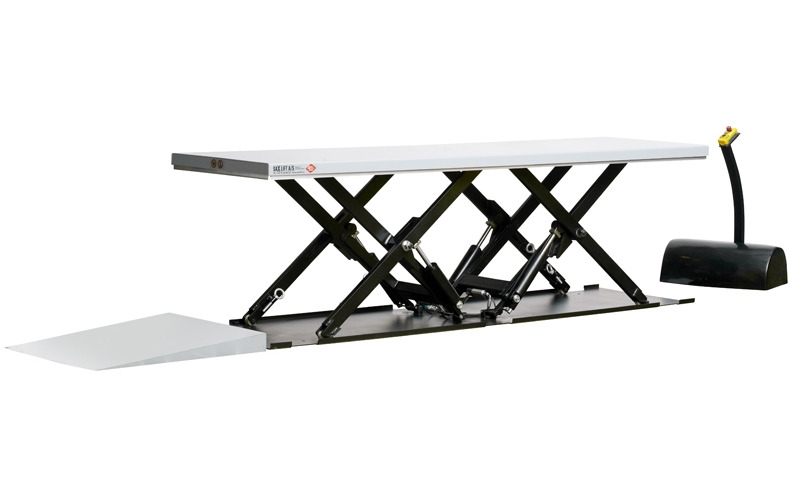
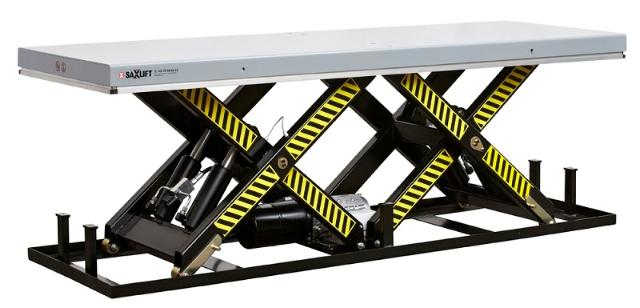
You are probably wondering what exactly a Tandem Scissor Lift Table is and how it functions differently from standard lifts. In the world of lifting equipment, the term "tandem" refers to the horizontal arrangement of the scissor mechanisms. Unlike a vertical double scissor lift table, which stacks scissors on top of each other to achieve greater height, a tandem lift places two sets of scissors end-to-end (horizontally) to support greater length and weight stability.
It is a unique piece of equipment that uses a complex, synchronized mechanism to safely and efficiently lift heavy loads that possess a large surface area. Models like the ICBH3000 Tandem low profile lift table utilize this design to provide a low collapsed height while maintaining a long platform.
In the subsequent sections, we will discuss the scissor mechanism in detail, the hydraulic lift operation, and key features of heavy-duty scissor lift tables that make them indispensable in manufacturing and logistics.
Understanding the Scissor Mechanism in Tandem Lift Tables
While you may see a Tandem Scissor Lift Table as a simple industrial tool, it is the underlying mechanism that truly sets it apart. This powerful piece of equipment relies on a dual-scissor mechanism to transfer heavy loads securely and efficiently. Because the scissors are arranged horizontally, they provide a much larger platform footprint, which is essential for stability when handling elongated goods like lumber packs, long pipes, or oversized assembly components.
Composed of interconnected bars made from high-grade steel, the scissor mechanism expands and contracts using hydraulics. In a tandem setup, mechanical synchronization is vital. This ensures that both scissor sets rise and lower at the exact same speed, keeping the platform perfectly level. This design isn't just about power, but also about ergonomics and precision. If the lifting was not synchronized, a long load could tilt, creating a dangerous situation.
The Tandem Scissor Lift Table allows you to handle heavy loads at a comfortable height and position, reducing strain and improving productivity. By maintaining a level plane during the entire lifting cycle, the mechanism reduces the stress on the pivot points and ensures a longer lifespan for the equipment.
How Does a Hydraulic Lift Operate in Scissor Tables?
Without a doubt, the heart of a Tandem Scissor Lift Table is its hydraulic lift system. This ingenious mechanism allows you to raise or lower heavy goods with relative ease. However, in a tandem system, the hydraulics are slightly more sophisticated than in a single table.
As you activate the hydraulic lift, the power unit—consisting of a motor and a pump—pushes hydraulic fluid from the reservoir into the cylinders. In a tandem table, there are multiple cylinders (usually at least one per scissor set). The system exerts a strong pressure on the liquid, pushing the scissor arms apart and raising the table to the desired lifting heights.
Crucially, to ensure the table remains level, the hydraulic system often employs a flow divider or cylinders connected in series to guarantee that both sets of scissors extend simultaneously. Lowering is simply the reverse process. The fluid is allowed to escape back into the reservoir through a controlled valve, lowering the pressure and causing the scissor arms to retract under the weight of the platform and the load.
The beauty of this system is that it is incredibly secure, providing a stable platform for your heavy-duty lifting needs. Safety valves, such as hose burst valves, are integrated to prevent the table from falling freely in the unlikely event of a hose rupture. Understanding this mechanism is essential if you are to use your Tandem Scissor Lift Table effectively and maintain it correctly.
Key Features of a Heavy Duty Scissor Lift Table
The ILH8000 Tandem Scissor Lift Table represents the pinnacle of heavy-duty engineering. A tandem scissor lift table, with its robust frame and powerful lifting capacity, is an invaluable asset in any industrial setting where large-scale material handling occurs.
This heavy-duty lift table is ideal for lifting long and bulky loads to a convenient working height. Its design meets the stringent requirements of EN 1570-1:2024 (and distinct UK standards where applicable), ensuring quality and safety. Compliance with these standards means the table has undergone rigorous testing regarding stability, load-bearing integrity, and safety clearances.
The Tandem Scissor Lift Table is equipped with synchronized movement of scissors, perfect for handling uneven load distribution. Unlike a single scissor lift, where an off-center load can cause significant stress and platform deflection, the tandem design spreads the support across a wider area. This makes it significantly more resistant to the twisting forces applied by unevenly loaded pallets or machinery.
It is not only robust and durable but also customizable to meet your specific needs. Regardless of the size of your order, each lift table undergoes thorough quality control. Features often include:
- Aluminum Safety Trip Bar: A frame located under the lip of the platform that stops descent immediately if it encounters an obstruction, preventing foot entrapment.
- Maintenance Props: Mechanical locks that secure the table in a raised position during servicing, ensuring the safety of maintenance personnel.
- High-Quality Componentry: From the bushings to the electrical components, every part is selected for longevity in harsh industrial environments.
What are the Load Capacities of Tandem Scissor Lift Tables?
You might be wondering about the specific load capacities of Tandem Scissor Lift Tables. Because they are constructed with double the lifting mechanism support structure compared to a standard table, they are inherently capable of supporting massive weights.
Let's discuss how much weight these tables can handle and how to choose the right one for your heavy load needs. It is not just about the total weight, but how that weight is distributed across the platform length.
Understanding these load limits and specifications can greatly impact your work efficiency and safety. Overloading a lift table or misunderstanding its duty cycle can lead to premature failure or safety incidents.
Understanding Load Limits and Specifications
While evaluating a Tandem Scissor Lift Table for your industrial needs, it is vital to understand its load capacities and specifications in depth. Tandem lift tables are known for their ability to handle substantial loads, but reading the data plate correctly is key.
The load capacity, often measured in kilograms (kg), depends on the design and model of the table. For example, a light-duty tandem might handle 2,000 kg, while heavy-duty versions go up to 8,000 kg or more. However, capacity is usually rated based on an evenly distributed load.
An important aspect to take into account is the height of the load and its center of gravity. Remember, the higher the load sits on the platform, and the more off-center it is, the more the table's stability could be affected. While the tandem design mitigates longitudinal instability, lateral stability must still be respected.
Some tables come with static load capacities versus dynamic load capacities. Static capacity refers to the weight the table can hold when it is not moving (e.g., acting as a workbench), which is often higher than the dynamic capacity (the weight it can actually lift). Understanding these specifications guarantees you choose a table that best fits your operational needs, contributing to a safer and more efficient workplace.
How Much Weight Can a Tandem Scissor Lift Table Handle?
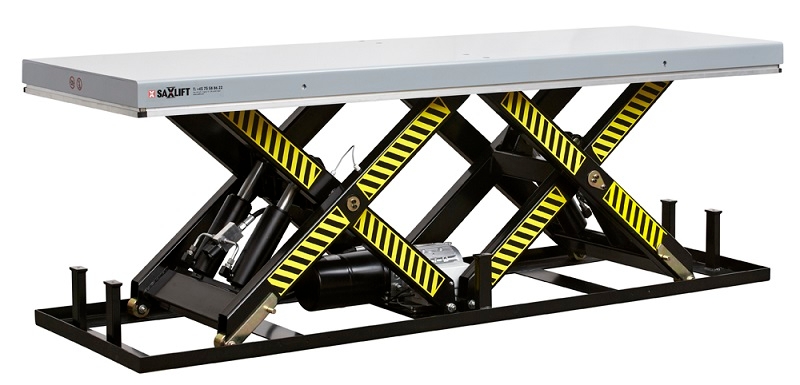
How much weight can a Tandem Scissor Lift Table handle? Well, it is designed to carry a considerable payload. These robust lifting tables are engineered for heavy-duty tasks, effortlessly handling long loads with ease.
Tandem Scissor Lift Tables can typically handle payloads up to 8,000 kg, accommodating diverse industrial requirements. This high capacity makes them suitable for industries handling raw metals, heavy timber, automotive vehicles, or large manufacturing dies.
Their design focuses on ergonomic efficiency, making your heavy lifting tasks a breeze. By lifting these massive weights to waist height, workers do not need to bend or stretch, preserving their health.
The table's size and capacity can be customized to suit specific needs. If your specific application, custom engineering solutions are often available. They are particularly useful for handling long, bulky loads that single scissor lift tables can't manage. If you placed a 4-meter long crate on a standard single scissor lift, the overhang would be dangerous. A tandem table supports the entire length - depending on the platform length.
Despite their heavy-duty nature, they operate smoothly, guaranteeing safety and efficiency. The hydraulic systems are tuned to provide a steady ascent speed, preventing jerky movements that could destabilize a heavy load.
What are the Ideal Applications for a Heavy-Duty Scissor Lift Table?
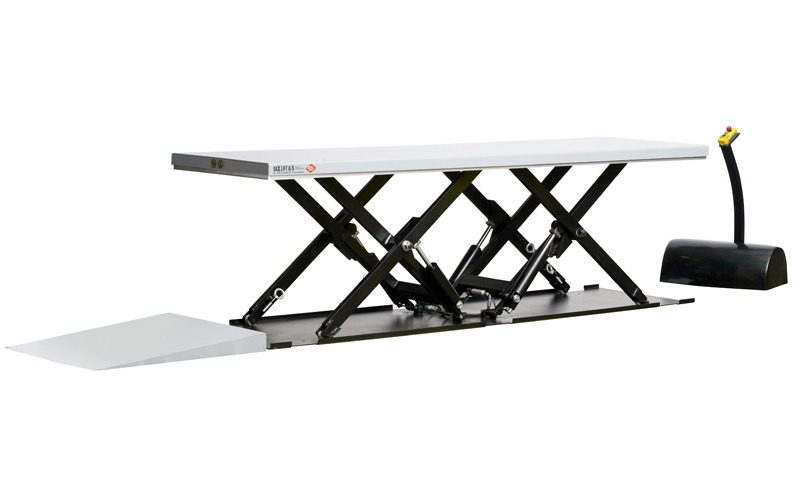
You are probably wondering where a heavy-duty Tandem Scissor Lift Table fits in your industrial handling and warehousing needs. They are versatile machines that solve specific spatial and ergonomic problems.
They are not just for lifting heavy goods; they also offer benefits across various industries including logistics, manufacturing, woodworking, and automotive sectors. Let's discuss some of their ideal applications and advantages.
Best Uses in Industrial Handling and Warehousing
Imagine your warehouse bustling with activity, your workers handling long and bulky goods with ease. That is the power of a tandem lift table. In a woodworking shop, for instance, handling large sheets of plywood or MDF is cumbersome. A tandem table acts as a variable-height stacking station, keeping the top of the stack at the perfect height for feeding into a saw or sander.
These dynamic tools aren't just for lifting. They are ideal for:
- Creating ergonomic workstations: Reducing worker strain and increasing productivity by eliminating repetitive bending and heavy lifting.
- Managing bulky goods: Simplifying the process of moving and storing large items like carpets, pipes, steel beams, or furniture.
- Streamlining material handling: Making your operations more efficient by integrating the lift into a conveyor line.
- Vehicle Loading and Unloading: Acting as a dock leveler for long cargo that requires a flat transition from truck to warehouse floor.
- Offering customized options: Allowing you to tailor the lift table to your specific needs, such as adding bellows to protect the mechanism from dust and debris.
Whether you are operating a busy warehouse or managing a production line, a tandem lift table can revolutionize the way you handle materials. Don't just imagine the possibilities—make them a reality with a tandem lift table.
How to Choose the Right Tandem Scissor Lift Table for Your Needs?
Choosing the right Tandem Scissor Lift Table for your needs can seem intimidating, but it doesn't have to be. There are many technical variables, but breaking them down simplifies the process.
You will want to take into account a few key factors, compare double scissor lift table configurations (vertical vs. horizontal) to traditional models, and determine the required lifting heights. We will guide you through each of these steps to guarantee you make the most informed decision.
Factors to Consider When Selecting a Scissor Lift Table
Before you plunge into buying a Tandem Scissor Lift Table, it is paramount to understand your specific needs and requirements. A few factors can guide your decision:
- Payload: The tandem lift table's capacity to carry weight is essential. Confirm it can handle your heaviest load, plus a safety margin. Do not forget to account for the weight of any pallets or fixtures used.
- Platform Dimensions: Ensure the platform is long and wide enough to fully support your load. Overhangs can be dangerous.
- Ergonomic Workstations: Consider if the table will be part of an ergonomic workstation, promoting worker safety and efficiency. The speed of lift should match the worker's pace.
- Synchronization: The lift's ability to rise and fall evenly, even under uneven loads, is fundamental for stability and safety. Ask about the flow division or mechanical synchronization method used.
- Customized Options: Look out for providers who offer customization. Your unique needs might not fit a one-size-fits-all model. You might need specific voltages, colors, or control accessories.
- Durability: The lift's lifespan under regular use is a significant consideration to guarantee value for money. Check the duty cycle rating—how many lifts per hour is it designed for?
Make an informed choice, matching the lift to your specific needs. Consulting with experts at Sax Lift can clarify which specific model, like the ILH1500X or ILH8000, best suits your profile.
Comparing Double Scissor Lift Tables vs. Traditional Models
Although traditional single lift tables have their merits, you will find that double scissor lift tables, particularly tandem models, offer unique advantages that can meet your needs more effectively.
It is important to distinguish between the two types of "double" scissors. A vertical double scissor lift table is used to reach high elevations with a small footprint. A tandem (horizontal double) lift table is used to lift long loads with a large footprint. A tandem lift table, with its two horizontally arranged scissor sets, presents a more cost-effective solution for long platforms than trying to stretch a single scissor mechanism beyond its physical limits. Fueled by hydraulic oil, these tables guarantee even lifting, even with uneven load distribution.
| Traditional Lift Tables (Single) | Tandem Scissor Lift Tables (Horizontal Double) |
|---|---|
| Limited payload capacity relative to size | Higher payload capacity distributed over length |
| Less effective for long loads (risk of tipping) | Ideal for long, bulky loads (high stability) |
| Single scissor design | Double scissor design (horizontal) for added stability |
| Standard platform sizes | Extended platform lengths available |
Consider a tandem lift table for ergonomic workstations, providing an efficient solution for lifting heavy assemblies or facilitating assembly work. It is an investment that pays off in productivity, safety, and convenience.
How to Determine the Required Lifting Heights?
When you are deciding on the right Tandem Scissor Lift Table for your specific needs, it is important to first determine the required lifting heights. This is the difference between the lowered height (collapsed height) and the maximum vertical travel.
Consider the following points:
- The payload: Identify the heaviest load the lift table will handle. Heavier loads might require larger cylinders which could affect the minimum collapsed height of the table.
- The material handling process: Determine how the lift table will be used in your operations. Does it need to align with a truck bed? Does it need to reach a mezzanine floor? Or simply waist height?
- Ergonomic workstations: Consider the comfort and safety of your workers. The lift table should reduce strain and improve productivity. The "stroke" of the lift should cover the entire range of working heights required by operators of different statures.
- The range of lifting heights: Verify the lift table can reach the necessary heights for your tasks. Tandem tables generally have a lift stroke proportional to the length of the scissor legs.
- Pit vs. Floor Mount: If the table is mounted in a pit, the lifting height needs to be calculated from the bottom of the pit, not the floor level. This allows the table to be flush with the floor when lowered, which is ideal for pallet jacks.
- Customization options: Some manufacturers offer custom lift tables to meet unique requirements. Limit switches can be adjusted to restrict the maximum height if overhead clearance is an issue.
Choosing the right Tandem Scissor Lift Table helps streamline operations and create safer work environments. By analyzing your workflow, load characteristics, and facility constraints, you can select a Sax Lift solution that transforms your heavy-duty lifting challenges into efficient, safe routine operations.