

-12%
Lift tables
123 products
-24%
-21%
-24%
-24%
-21%
-24%
-18%
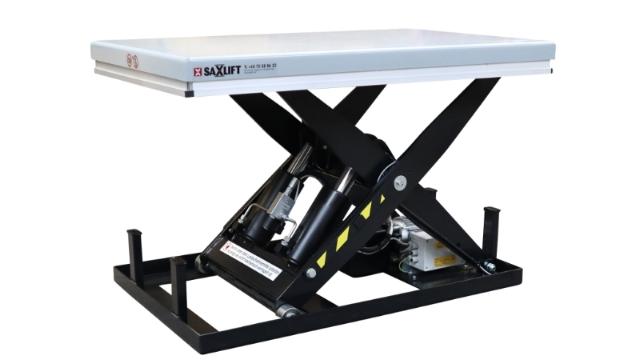
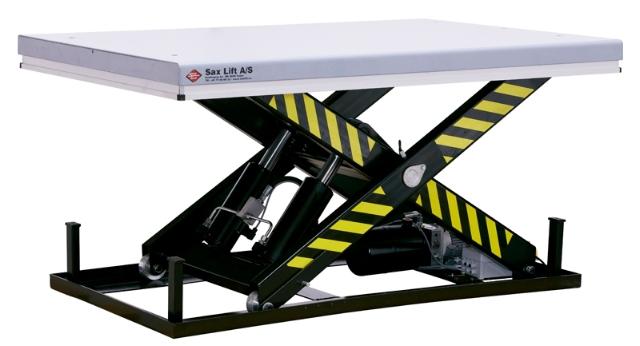
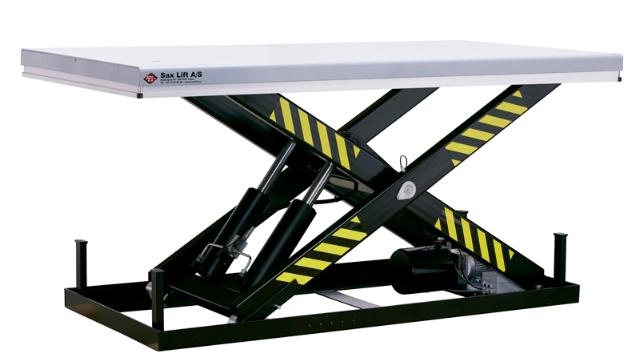
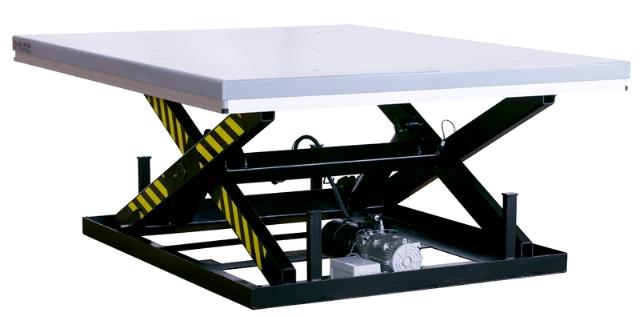
36 of 123 products
Scissor Lift Tables & Hydraulic Lift Tables at Sax Lift
Scissor lift tables and hydraulic lift tables available at Sax Lift are essential tools for raising or lowering heavy-duty tasks to varying heights. Whether you require a mobile or static model, it is important to take into account the lifting capacity, height, and installation site to meet your work needs. Do not forget about safety features compliant with all necessary regulations and regular maintenance for long-term efficiency. So, stick around to get all the details to enhance the safety and efficiency of your operation!
At Sax Lift UK, we understand that every lifting requirement is unique. From optimizing assembly lines to facilitating the loading of goods in logistics centres, the right equipment can revolutionise your workflow. Our comprehensive range of solutions is designed to cater to diverse industrial environments, ensuring that whether you are handling pallets, heavy machinery, or sensitive components, there is a hydraulic scissor lift table perfectly suited to the task.
What are Hydraulic Lift Tables?
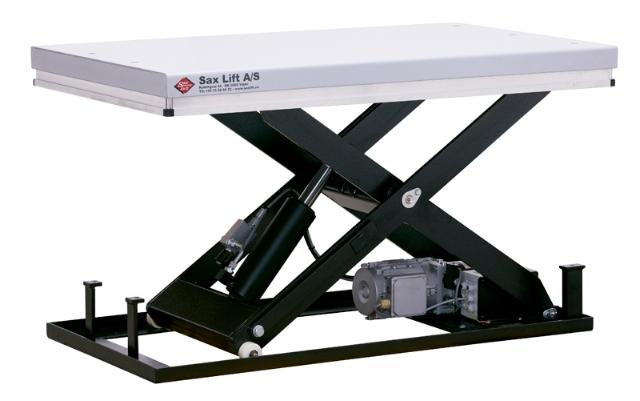
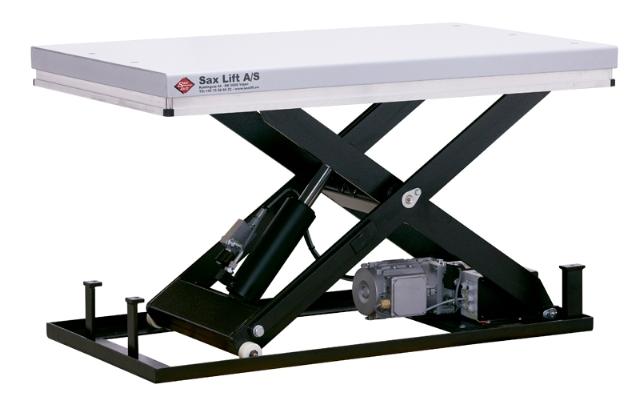
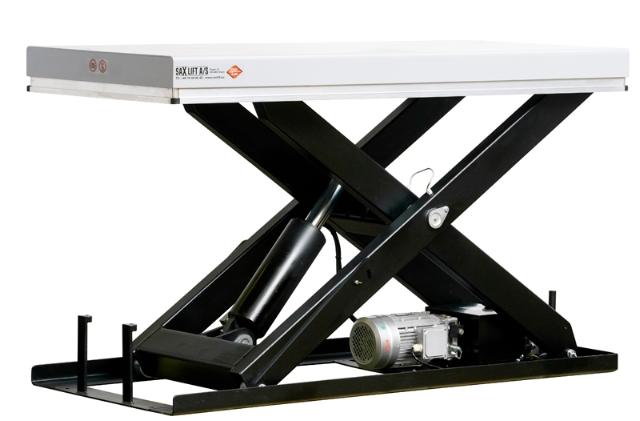
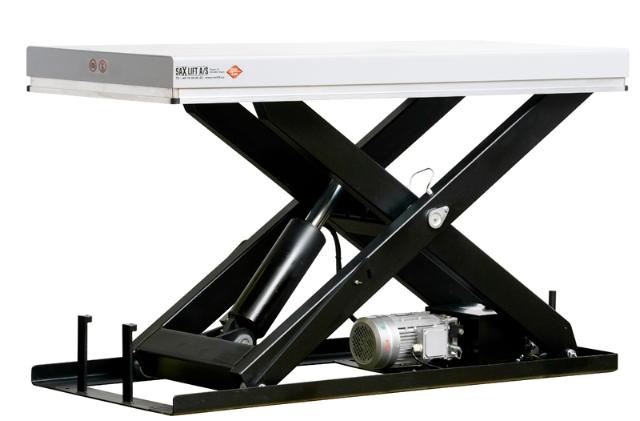
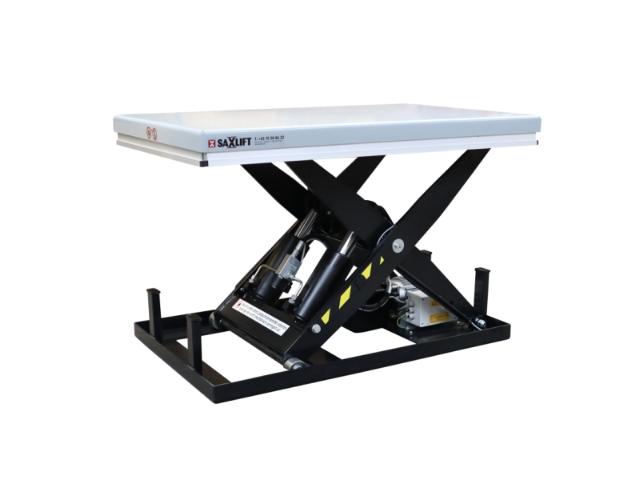
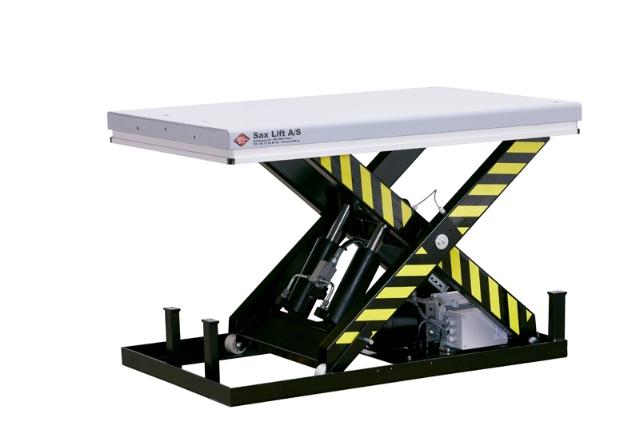
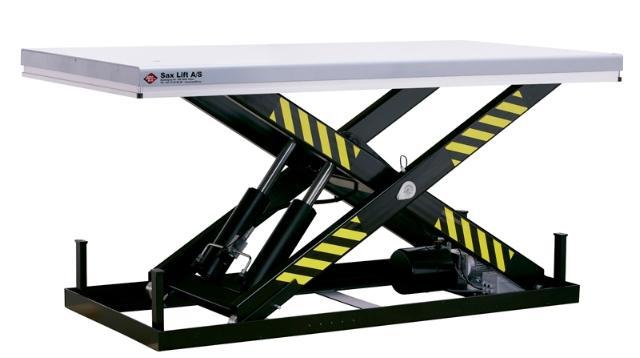
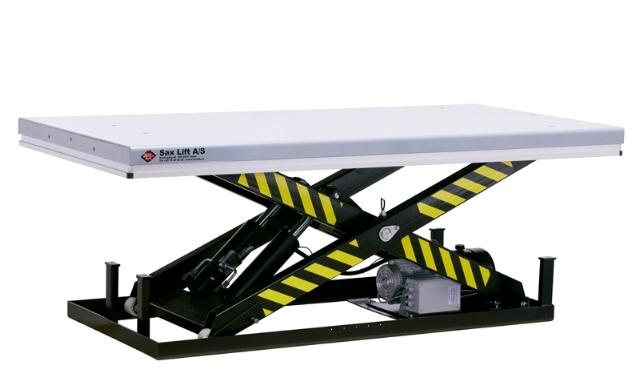
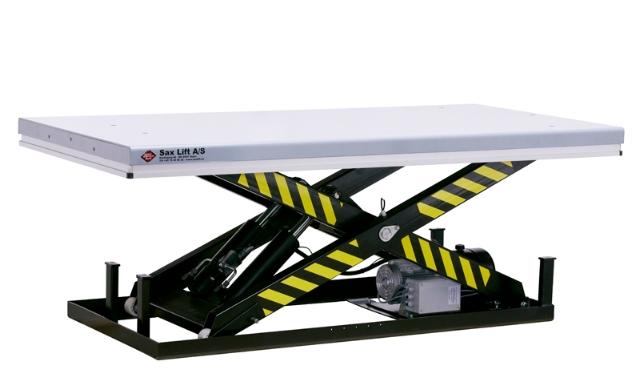
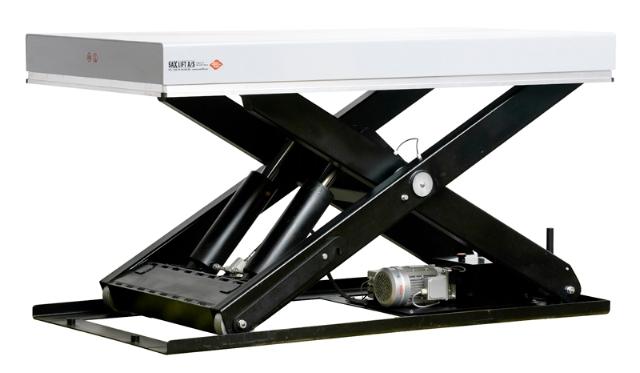
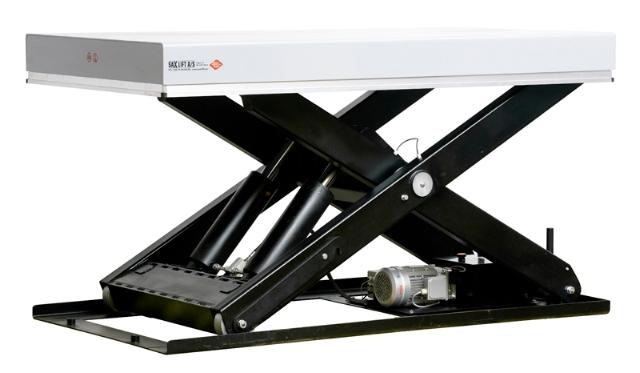
Hydraulic lift tables are versatile pieces of equipment designed to raise or lower heavy loads to desired heights. They act as the backbone of many industrial processes, bridging the gap between different vertical levels within a workspace. These tables are fundamentally built around a robust scissor lift mechanism, powered by a precision-engineered hydraulic cylinder (or multiple cylinders, depending on the load). You can easily adjust the platform's height, making it ideal for tasks where you need to work at varying levels.
The core technology behind a hydraulic scissor lift table relies on the incompressible nature of hydraulic fluid. When the pump is activated, fluid is forced into the cylinder, pushing the piston outwards and causing the scissor legs to expand, thereby raising the platform. Conversely, to lower the table, the fluid is released back into the reservoir in a controlled manner. This system allows for incredibly smooth, stable, and precise positioning, which is critical when handling valuable or dangerous loads.
These tables have a specified load capacity, so you must guarantee that you do not overload them. Overloading not only risks damaging the internal components, such as the seals and pump, but it also poses a significant safety risk to operators. The operation of a hydraulic lift table is generally straightforward, usually controlled by a hand-held pendant or a foot pedal, but you will need to familiarize yourself with the specifics of your model to use it safely and effectively.
Whether you are lifting boxes in a warehouse, working on an assembly line, or doing home renovations, a hydraulic scissor lift table can make the job easier and safer. By bringing the work to the worker, rather than the other way around, these tables significantly reduce the risk of musculoskeletal disorders caused by bending, stretching, and heavy lifting.
How to choose a suitable hydraulic scissor lift table
When choosing a hydraulic scissor lift table, you will need to take into account several essential factors. It is not simply a matter of picking the first table you see; the device must match the environment, the load, and the frequency of use. The lifting and loading capacity, as well as the lifting height, are all crucial to guarantee it suits your specific needs. Additionally, think about where it will be installed and if it is for stationary use.
You must also consider the power supply available at your facility. Most heavy-duty static tables require a 3-phase power supply, while smaller units or mobile tables might operate on single-phase power or battery systems. Furthermore, the intensity of use—often referred to as the duty cycle—is vital. A standard scissor lift table is designed for normal industrial use, but if your operation requires continuous lifting 24/7, you may need a heavy-duty model with reinforced bearings and a specialized power pack.
Lifting capacity
Choosing the right hydraulic lift table for your needs involves several factors, but one of the most critical is lifting capacity. You need to verify that your scissor lift table can handle the weight you plan to lift. This calculation should always include the weight of the load itself plus any packaging, pallets, or additional tools that might be on the platform.
Mobile scissor lift tables are great for lightweight tasks and easy movement. They typically support up to 1000 kg. These are perfect for workshops where parts need to be moved from a storage rack to a workbench. Because they are manually maneuverable, they offer flexibility that static models cannot match, although they generally have lower weight limits.
For heavier duties, you might want to take into account hydraulic scissor lift tables with a capacity of up to 8000 kg or even more. These static models are sturdy and suitable for continuous heavy-duty operations. When dealing with such high capacities, the structural integrity of the scissor legs and the bottom frame becomes paramount. Don't forget to take into account the safety mechanisms. A table with safety features like emergency stops and pressure relief valves can prevent accidents and damage. The pressure relief valve is particularly important as it prevents the table from trying to lift a load that exceeds its calibrated maximum capacity.
Lifting height
After settling on the lifting capacity, another factor to reflect on is the lifting height. This is determined by the scissor mechanism in your hydraulic platform. Standard hydraulic and vertical high lift tables offer varying lift heights, so you will need to evaluate what is ideal for your tasks. The "stroke" of the table is the difference between its closed height (fully collapsed) and its maximum height.
For instance, if you are aiming for ergonomic efficiency, a table that adjusts to multiple heights is perfect. If you need to reach a mezzanine floor, a standard single scissor might not be enough. You might require a double or triple vertical scissor mechanism. Here is a quick comparison to help you understand the ranges:
| Lift Table Type | Lift Height | Best Use |
|---|---|---|
| Standard Hydraulic | Up to 2.5m | Light to high weight handling, ergonomic positioning, pallet handling. |
| Vertical High Lift | Up to 5.1m | Specialised tasks requiring high lift, access between floors, high racking. |
Installation site
Selecting the right installation site for your hydraulic scissor lift table is a crucial step. Consider whether a static or mobile model best fits your needs. The environment will dictate the finish of the table; for example, outdoor use or food processing areas may require galvanized or stainless steel tables to prevent corrosion.
Static Lift Tables are sturdy, offering larger platforms and higher load capacities. They are best used where heavy lifting is a routine task in a specific location.
- You can install them permanently on the floor or in pits. Installing a scissor lift table in a pit is a popular option because it allows the platform to sit flush with the floor when lowered. This provides barrier-free access for pallet trucks and forklifts without the need for an external ramp.
Mobile Lift Tables are versatile, designed for easy transport and short-distance movement. They have ergonomic handles and safety mechanisms like locking brakes to secure the table during use.
- Regardless of the type, verify the installation site is level, clear of obstructions, and allows safe operation of the hydraulic platform lifts. An uneven floor can cause instability, especially when the load is raised to its maximum height.
Loading capacity
Understanding the load capacity of your hydraulic scissor lift table is a key factor in making an informed choice. Loading capacity refers to the maximum weight your lift can safely handle. It is vital to take into account the heaviest load you will be lifting and make certain it falls within this limit.
However, it is not just about the total weight; distribution matters. Most standard scissor lift tables are rated for a distributed load. If you plan to place a heavy load on just one corner or edge of the table (eccentric loading), you must consult with the manufacturer, as this exerts significantly more stress on the scissor arms and bearings than a centered load.
Hydraulic scissor lift tables are designed with various maximum lifting capacities. Some are suited for light-duty lifting, while static scissor lift tables can handle up to 8000 kg, perfect for heavy-duty lifting tasks. Always verify the weight capacity of your chosen lift table aligns with your needs to prevent overloading and potential damage. When in doubt, it is often safer to choose a model with a slightly higher capacity than your absolute maximum requirement to ensure a safety margin.
Stationary use
If you are primarily planning to use your hydraulic lift table in a stationary manner, it is best to evaluate the static models. These scissor tables are designed for fixed installations, supplying higher load capacity than their mobile counterparts. Stationary units are often integrated into automated systems or conveyor lines.
Ergonomic Design: Static scissor lift tables are designed to raise heavy loads to comfortable work heights, reducing physical strain. By maintaining the load at waist height, operators can work faster and with less fatigue, which directly improves productivity.
Capacity: These lifts can support substantial weights, making them perfect for heavy-duty applications. Whether it is lifting a car in a garage or a pallet of steel in a factory, the static base provides the necessary footprint stability.
Safety: Built with safety in mind, static lifts come with features like emergency stop functions and non-slip surfaces. The stability of a bolted-down unit inherently reduces the risk of tipping, provided the installation guidelines are followed.
Lifting function
Consider your lifting needs carefully as you navigate the options for hydraulic scissor lift tables. The product you choose should align with your specific requirements regarding speed and precision. The lifting mechanism of hydraulic scissor lifts is an essential aspect to evaluate. The lift means, or the method by which the table elevates, is typically powered by hydraulics, often via an electric motor driving a hydraulic pump.
Consider the range of lift, from the minimum to maximum height. A broader range offers more versatility. You should also consider the lifting time. For high-throughput environments, you may need a faster pump unit to reduce the waiting time between cycles. Conversely, for precise positioning, a slower, more controlled lift speed might be preferable.
While safety will be discussed more in-depth later, it is worth noting the importance of safety features in the product's design. Robust safety measures can greatly reduce the risk of accidents. For example, the anti-trap safety frame typically found under the lip of the platform stops the descent immediately if it encounters an obstruction, protecting the operator's feet.
Safety Features
While selecting a hydraulic scissor lift table, don't overlook the importance of safety features. They are essential to prevent accidents and guarantee compliance with regulations. In the UK and Europe, these tables must generally adhere to strict standards to ensure operator well-being.
Safety Mechanisms: Look for tables equipped with hydraulic catch cylinders to prevent sudden drops. Hose burst valves are critical; if a hydraulic hose fails, these valves lock the cylinder in place, preventing the platform from free-falling. Pressure relief valves are also standard to manage overpressure, ensuring the system cannot lift more than it is structurally designed to handle. Heat protection functions are also crucial to prevent system overheating during intense usage cycles.
Compliance: Confirm your chosen product adheres to the European Standard EN 1570-1:2024 for safety. This standard dictates requirements for lifting tables serving up to two fixed landings. Compliance ensures that the gap distances between scissors are safe (to prevent shearing injuries) and that the electrical systems meet IP protection ratings.
Maintenance: Regular maintenance is key to longevity and safety. Keep a maintenance log to track service and inspections. Routine checks should include inspecting hydraulic hoses for wear, checking oil levels, greasing the pivot points and rollers, and testing the emergency stop buttons.
Our lifting tables in detail
Although you may find a multitude of lifting tables on the market, our range stands out for its diversity and quality. As a reputable lift table supplier in the UK, we offer a wide variety of scissor tables, including mobile scissor lift tables, all built with precision-engineered cylinders. We understand that "one size fits all" rarely applies in industrial settings, which is why our inventory is so extensive.
What's more, our tables are customisable to your specific needs. Do you need a turntable on the platform to rotate pallets? Do you require a tilting mechanism to make accessing containers easier? Or perhaps you need a bellows skirt to keep dust and debris out of the scissor mechanism? We can accommodate these requests to build the perfect hydraulic scissor lift table for your facility.
Safety is paramount in our design. Our tables come equipped with safety mechanisms such as hydraulic catch cylinders to prevent sudden drops. We also offer mobile scissor lift tables, perfect for tasks that require manoeuvrability. Our commitment to quality and safety positions us as a leading provider of lift tables, meeting and exceeding industry standards.
Type of scissor lift platform & Features
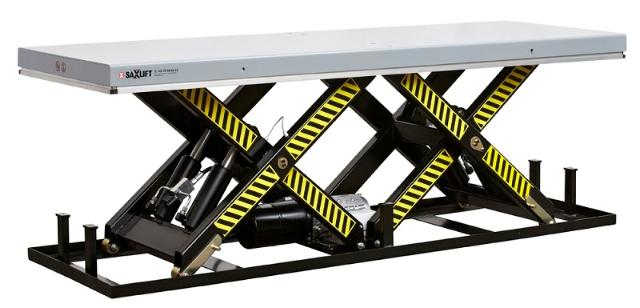
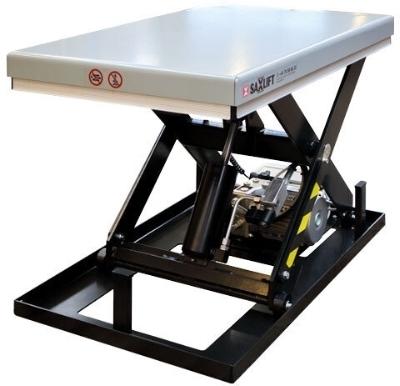
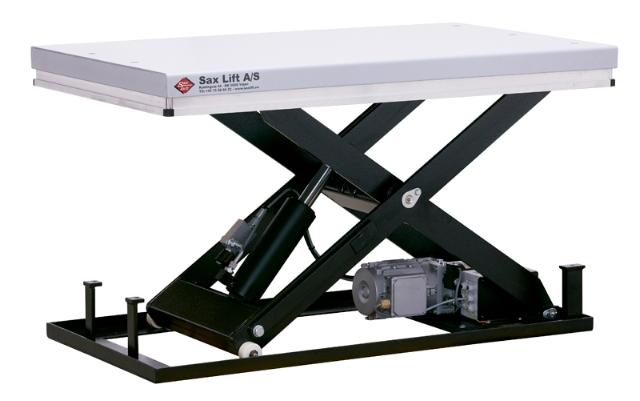
Single Scissor Lift Table
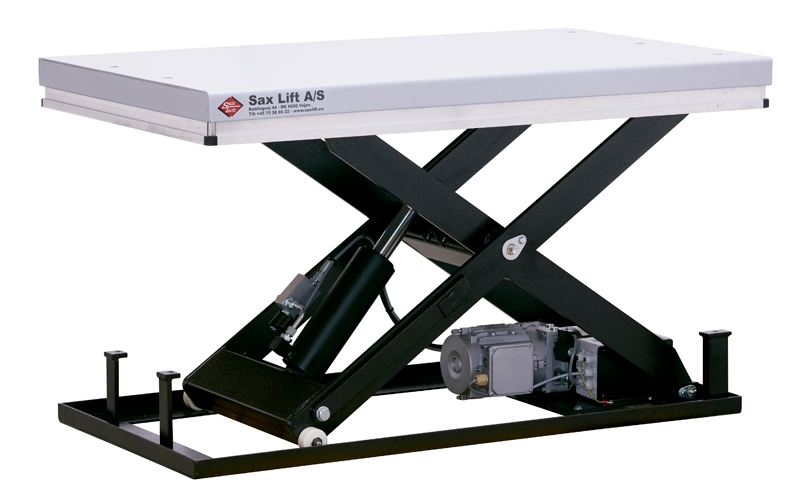
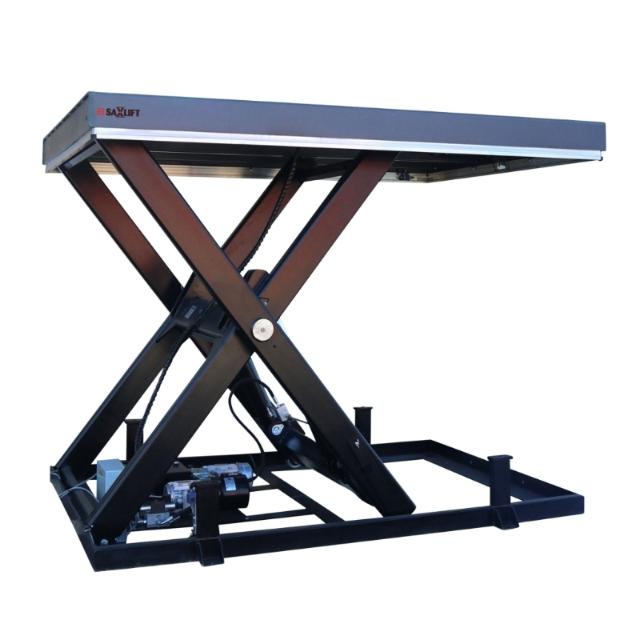
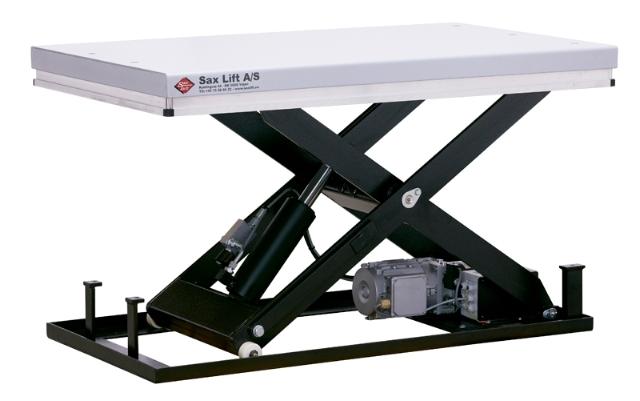
The Single Scissor Lift Table is the industry standard for most lifting applications. It consists of a single set of scissor arms and is ideal for bridging small to medium vertical distances. These tables are renowned for their robustness and reliability in everyday operations.
- Enclosed Platform: Designed for enhanced safety and stability, ensuring goods remain secure during the lift.
- Power Connectivity: Includes CEE Plug and a connection cable up to 3m long for easy setup, allowing for "plug and play" functionality in many environments.
- Lifting Height: Offers a lifting height up to 2570 mm, suitable for most workbench and truck loading applications.
- Load Capacities: Available in a wide range of load capacities from 500 kg to 12000 kg, catering to both light assembly work and heavy machinery handling.
- Customisation: Can be customised with various accessories like ramps, rails, and gates.
- Versatile Use: functions excellently as a stationary worktable, material lift, or goods lift.
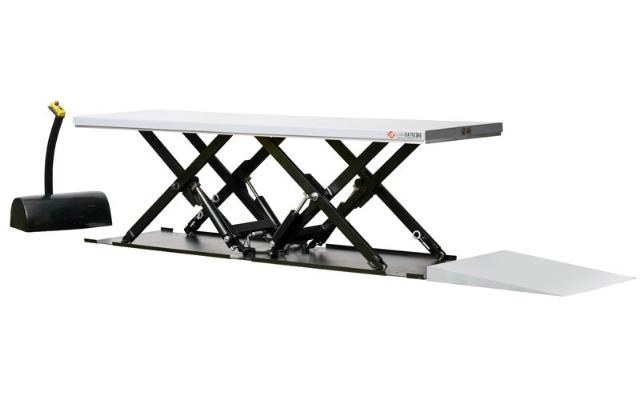
Low profile scissor lift table
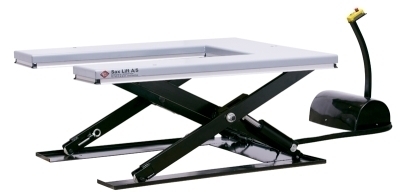
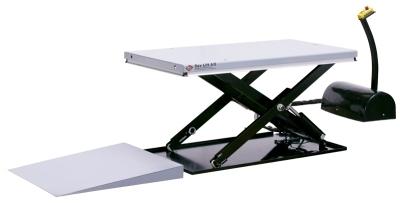
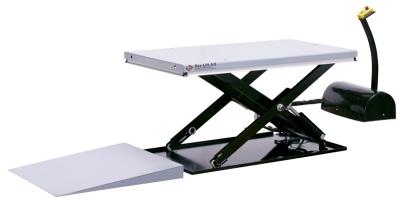
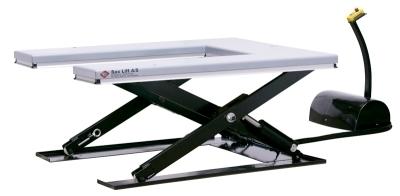
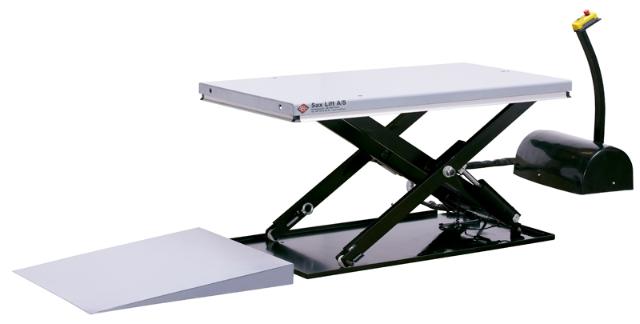
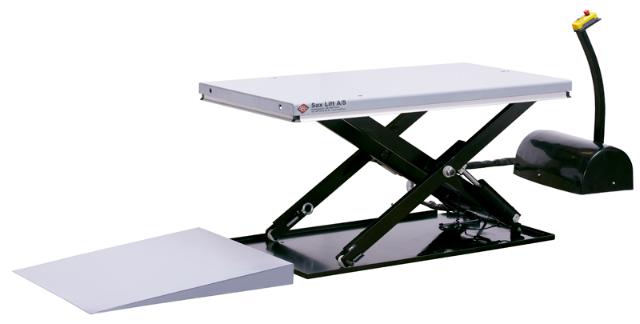
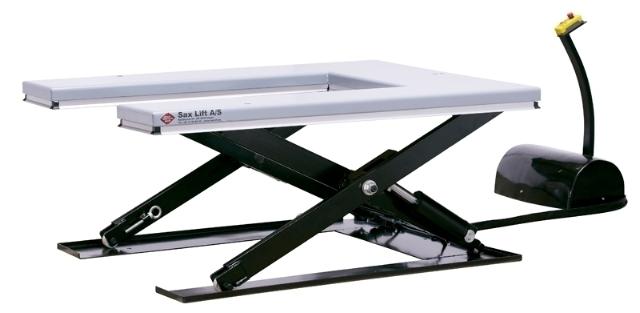
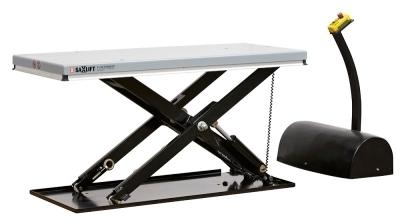
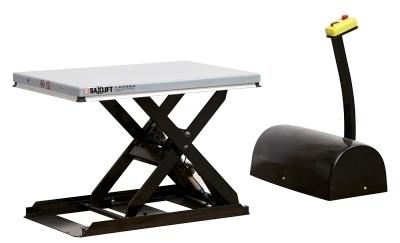
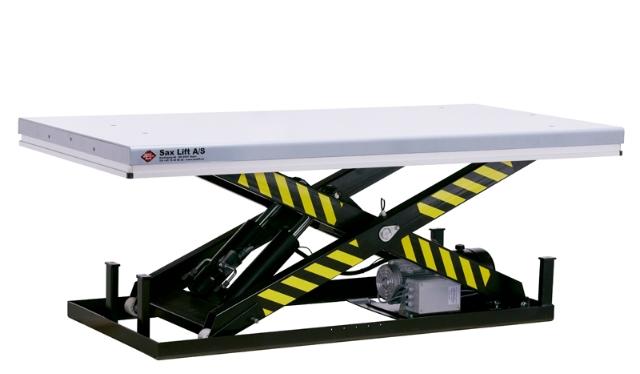
The Low Profile hydraulic scissor lift table is an ingenious solution designed to eliminate the need for installation pits. Because they have a very low collapsed height (often around 80-100mm), they can be loaded directly with a pallet truck via a short ramp, or configured in a U-shape to allow the truck forks to enter the table.
- Platform Design: Available with a Closed, U-shaped, or E-shaped load platform. The U-shape is specifically designed for handling Euro pallets without a ramp.
- Controls: Available with a separate control panel, allowing the operator to stand at a safe distance while operating the lift.
- Lifting Height: Provides a lifting height up to 1700 mm, sufficient for most ergonomic packing and stacking tasks.
- Load Capacity: Supports a load capacity ranging from 500 kg to 3000 kg.
- Pallet Handling: Highly suitable for loading and unloading pallets without the civil engineering costs of digging a pit.
- Customisation: Can be customised to fit specific pallet sizes or workspace constraints.
- Applications: Ideally supports assembly lines, packaging stations, and logistics operations where floor space and flexibility are premium.
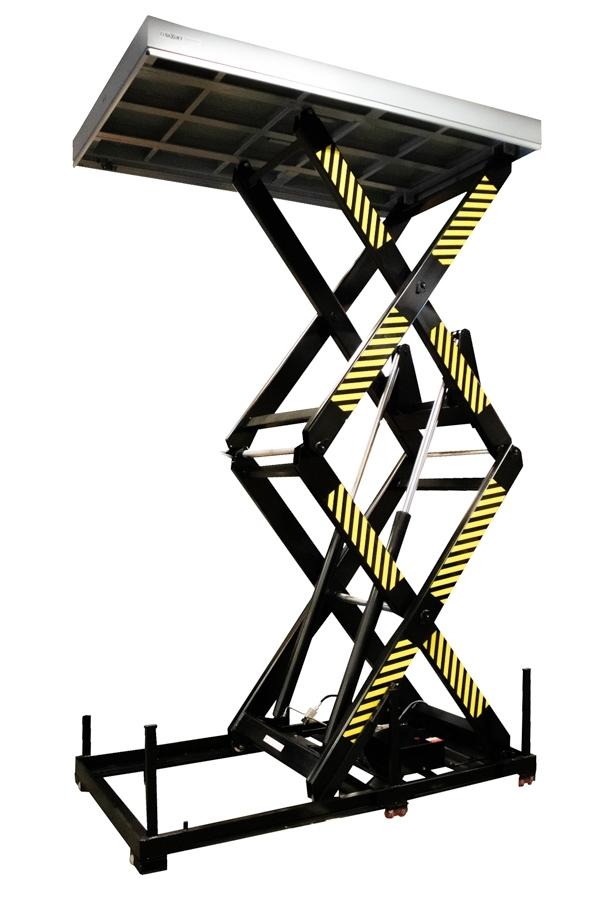
Vertical scissor lift table
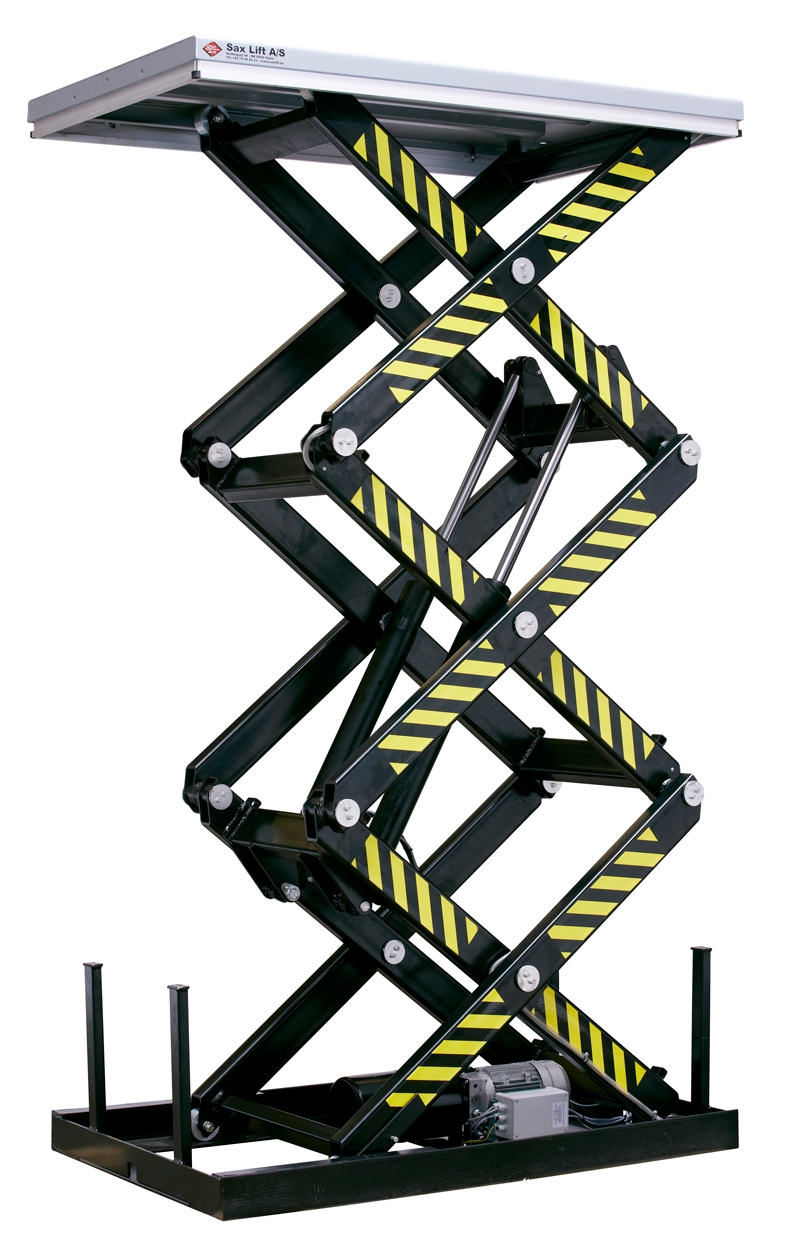
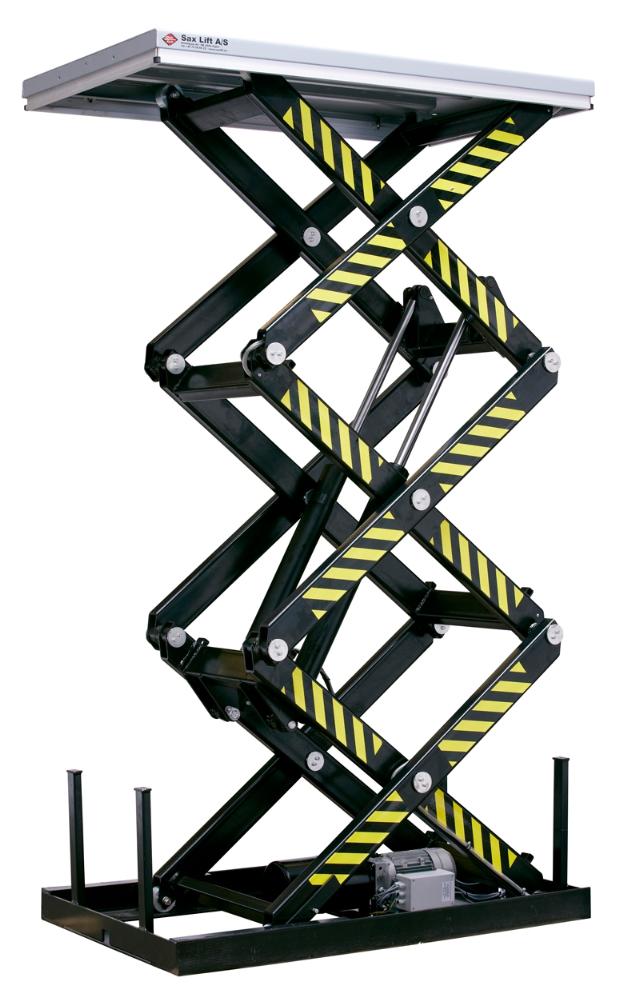
When you need to reach heights greater than what a single scissor mechanism can achieve, the Vertical (or High Lift) scissor lift table is the answer. These units stack multiple sets of scissors vertically to provide a much higher travel range while maintaining a relatively small footprint length and width.
- Platform: Features a sturdy closed platform designed to carry goods safely to high elevations.
- Lifting Heights: capable of reaching maximum lifting heights from 1780mm all the way up to 4200 mm (and potentially higher for custom units).
- Load Capacity: Offers a load capacity from 400 kg to 4000 kg.
- Stability: Designed for static placement. These tables must be securely fixed to the floor to ensure stability at full extension.
- Protection: Includes overload protection and pressure relief valves to prevent operation beyond safe limits.
- Power: Comes equipped with a CEE Power plug for reliable electrical connection.
- Customisation: Can be customised with safety gates, interlocks, and shaft enclosures.
- Ideal Use: Ideal as a lifting table between floors (mezzanine lift) or as a loading bay lift for high vehicles.